Inclusion is not a static goal but a systemic design principle. It is a continuous journey characterized by a “curvy path” of high-impact milestones, a few tough bends, and many joyful turns. As a curriculum architect, you must recognize that the teacher’s internal state is the bedrock of the inclusive classroom. Before a student can find equilibrium, the educator must achieve self-regulation—the ability to manage emotions and thoughts to ensure they think before acting.
Strategic preparation requires a rigorous audit of one’s own internal landscape to identify and mitigate “unconscious biases.” These automatic presumptions, rooted in cultural upbringing or prior experiences, can inadvertently lower the ceiling for student potential. To prep yourself, engage in deep reflection using these diagnostic questions:
● Expectation Bias: “Do I expect less from certain students based on their neurotype?”
● Patience Parity: “Am I more patient with some children than others, and why?”
● Label Reliance: “Do I assume a child’s total capacity based on a medical or educational label?”

Teacher well-being is a strategic necessity; an unregulated teacher becomes a “sensory trigger” for a neurodivergent child. To maintain the “Bachpan Manao” spirit, utilize these low-friction, high-impact tools:
● The Sticky Note Strategy: Write one self-affirmation (e.g., “I am learning along with my students”) and place it in a visible location to reduce daily anxiety.
● Physical Tension Release: Use the “Shake it out” technique—standing and shaking your limbs for 30 seconds—to physically discharge built-up stress.
● The 5-4-3-2-1 Grounding Reset: When a classroom “curveball” strikes, notice 5 things you see, 4 you hear, 3 you feel, 2 you smell, and 1 you taste.By prioritizing your own regulation, you ensure you do not “pour from an empty cup,” transitioning from a state of reactive stress to one of strategic guidance. Once the internal architect is regulated, you can begin the process of environmental scaffolding.

A child’s relationship with a classroom is defined by how they are “made to feel” from the moment they enter. As Maya Angelou noted, “People will never forget how you made them feel.” In inclusive design, the physical space must act as a sanctuary that validates a child’s presence regardless of their neurological profile.
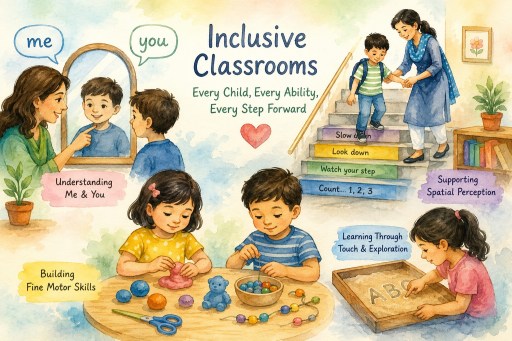
Architecting a “Sensory-Smart” classroom requires identifying both “obvious” and “not obvious” differences in student perception.
● Obvious Differences: These include physical markers such as wheelchairs for mobility or hearing aids.
● Neurodiversity (Not Obvious): These brain-wiring differences impact how a student perceives and understands the world. This is not a challenge to be overcome, but a set of unique strengths to be integrated.
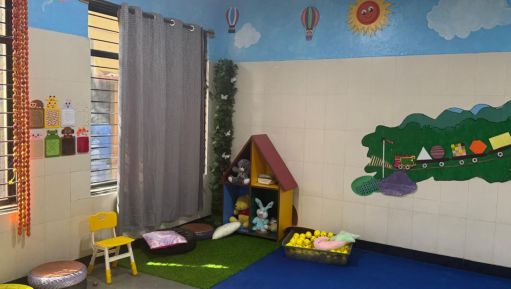
Environmental tweaks “unlock” learning potential by accommodating neurodivergent modes of being. Use the following tools to scaffold the space:
● Tactile Resets: Provide “tactile anchors” like smooth stones, fidget toys, or textured fabrics that students can use to ground themselves when feeling overwhelmed.
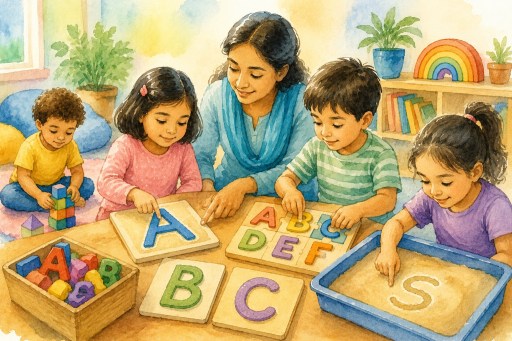
● Sensory Integration Tools: Incorporate “sand trays” for tactile exploration and recognize that movement-based learning is as valid as deep-focus learning.
● Tactile Memories: Utilize sensory-rich activities like making “paper-boats” for “puddles” on rainy days to ground learning in joyful, physical experiences.A regulated, sensory-aware space ensures that a child’s cognitive load is directed toward learning and curiosity rather than sensory survival. This environment provides the necessary backdrop for high-agility instructional delivery.
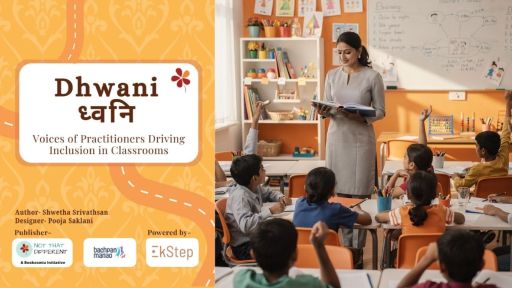
The classroom is a microcosm of society, and its inherent diversity is the cornerstone of humanity. To ensure every child has access to “bright, warm memories,” we must move away from “doling out” information and toward the Universal Design for Learning (UDL) framework mentioned in the Dhwani manual.
Strategic delivery relies on “small adjustments” and “deep observation” to bridge communication gaps:
● Communication Precision: Use “softer words” and provide instructions through multiple channels (visual, auditory, tactile) to cater to diverse processing styles.
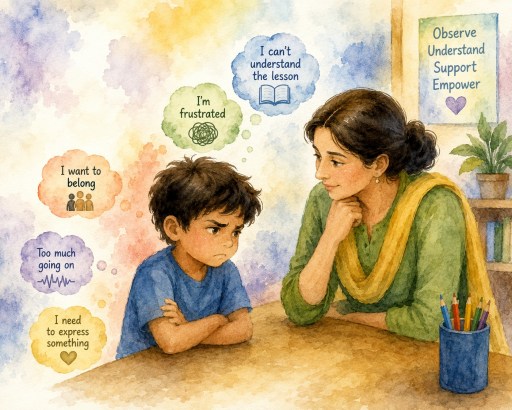
● Deep Observation as Data: Observe students who learn through “a million distractions” versus those who require “deep focus.” These are not behavioral issues but data points for instructional design.
● Peer-Led Inclusion Strategy: Model the “partner who didn’t move the page” approach—encouraging students to wait for their peers to finish a task before moving forward. This fosters a community where everyone’s pace is respected.
The journey of inclusion includes “highs and lows” and “tough bends.” You are not an island; you are part of a “company” of practitioners. The Dhwani manual is a companion—a reflection of the “hits and misses” of those who have walked the curvy path before you. Engaging in open conversations with colleagues and specialists is essential for maintaining instructional agility.While human-centric adaptations are the core of inclusion, modern digital public goods allow these practices to scale across socio-cultural boundaries.

Technology serves as the final pillar, transforming inclusion from a localized effort into a systemic reality through digital public goods. The Dhwani mission is powered by the Sunbird open-source digital infrastructure, which provides the technological backbone for platforms like DIKSHA .
Digital tools are not meant to replace the teacher but to empower them to handle the “pressure of finishing portions” while maintaining an inclusive lens.
● Infrastructure for Access: The DIKSHA platform, built on Sunbird, supports over 1.5 million schools and provides resources in 36 Indian languages , ensuring that language and socio-cultural factors do not act as barriers to a child feeling “seen and heard.”
● Meaningful Learning Experiences: Digital resources allow for the creation of personalized content that caters to how different brains perceive the world, ensuring that every child—regardless of their background or learning style—can participate in the “experience of wonder.”
Teachers can leverage these digital pillars to:
1. Scale Language Access: Utilize DIKSHA’s multi-language support to meet students in their native tongue.
2. Personalize Learning Pathways: Access curated materials designed by experts and special educators to support “neurodiverse voices.
This article is written by Akshita Yadav. She is an 18-year-old undergraduate student from Nagpur, currently pursuing a Bachelor of Business Administration (BBA) at the Indian Institute of Management Bodhgaya (IIMBG). She has a keen interest in public policy and strategy, with a particular focus on neurodiversity and allied social policy domains. Akshita aspires to work in policy research and contribute to the nation’s think tanks through policy notes, strategic analysis, and inclusive governance frameworks.
What is “Step Zero” in inclusive education?
“Step Zero” refers to the internal preparation of the teacher. It emphasizes self-awareness, emotional regulation, and identifying unconscious biases before implementing inclusive practices in the classroom.
Why is teacher self-regulation important in an inclusive classroom?
A teacher’s emotional state directly impacts the classroom environment. A regulated teacher can respond thoughtfully rather than react impulsively, creating a safe and supportive space for all learners, especially neurodivergent students.
What are unconscious biases in education?
Unconscious biases are automatic assumptions or judgments based on prior experiences or cultural conditioning. These can unintentionally affect expectations, patience, and interactions with students.
How can teachers identify their own biases?
Teachers can reflect using questions like:
What are some quick strategies for teacher emotional resilience?
Simple techniques include:
What is a “Sensory-Smart” classroom?
A Sensory-Smart classroom is designed to accommodate diverse sensory needs, ensuring that students feel comfortable, regulated, and ready to learn.
How does neurodiversity impact classroom learning?
Neurodiversity refers to natural variations in how brains function. It affects how students process information, focus, and interact, requiring flexible teaching methods rather than a one-size-fits-all approach.
What are some practical sensory adjustments teachers can make?
Teachers can:
What is instructional agility?
Instructional agility is the ability to adapt teaching methods based on students’ diverse learning needs, using observation and flexible strategies.
How can teachers adapt instruction for diverse learners?
What is Universal Design for Learning (UDL)?
UDL is a framework that promotes flexible teaching methods to ensure all students can access and engage with learning, regardless of their abilities.
Why is peer inclusion important?
Peer inclusion fosters empathy, patience, and collaboration. It helps create a classroom culture where every student’s pace and ability are respected.
How can teachers handle challenges in inclusive education?
By collaborating with colleagues, learning from shared experiences, and viewing challenges as part of a continuous learning journey.
What role does technology play in inclusion?
Technology helps scale inclusive practices by providing accessible, multilingual, and personalized learning resources.
What is DIKSHA?
DIKSHA is a national digital platform that provides educational resources in multiple Indian languages, supporting inclusive and accessible learning across schools.
What is Sunbird?
Sunbird is an open-source digital infrastructure that powers platforms like DIKSHA, enabling scalable and customizable learning solutions.
How can teachers use digital tools effectively?
Teachers can:
What is the ultimate goal of inclusive education?
The goal is to create an environment where every child feels seen, valued, and capable of learning—regardless of their abilities or background.
Where can I buy books?
You can buy books at Bookosmia website’s Shop section and Amazon.
Where can I buy the book – Dhwani?
Dhwani is an inclusive, mindfulness-based initiative designed to support the emotional well-being of teachers and students while fostering truly inclusive classrooms. Rooted in research from education, psychology, and neuroscience, Dhwani recognizes a simple truth: regulated teachers create safe, inclusive learning spaces.
At its core, Dhwani focuses on self-regulation, awareness, and emotional literacy. The curriculum equips educators with practical tools—such as grounding exercises, breathing techniques, and reflective practices—that can be used in real classroom moments, not just in theory. These tools help teachers respond with curiosity rather than control, and empathy rather than assumption.
Dhwani believes inclusion is not a checklist or a one-time intervention, but an ongoing journey. By supporting teachers’ mental health, Dhwani helps reduce burnout, unpack unconscious bias, and build resilience—making inclusion sustainable rather than exhausting.
Through simple, age-appropriate practices, Dhwani also empowers students to understand their emotions, feel safe, and stay engaged, creating classrooms where every child is seen, valued, and supported.
In essence, Dhwani begins with the teacher’s well-being—because inclusion starts from within.
Dhwani I Voices of Practitioners Driving Inclusion in Classrooms
https://bookosmia.com/teachers-mental-health-inclusive-classrooms/


Gift Books On Inclusion — A package of 5 books on inclusion, empathy, and working together.
***
This article is published by Bookosmia, India’s #1 publisher for and by young people. Bookosmia publishes stories, books, podcasts, events, TED-Ed talks, workshops, bedtime stories and more related to kids and young adults.
Photo Credit – AI generated images from Chat GPT and Magic Media from Canva .
Want to publish your articles, reviews, stories, audio stories, bedtime stories and poems ?
Did you know that children can submit audio stories to be turned into Bedtime Stories and published on Bedtime Stories – A Podcast by Bookosmia?
Write to us at sara@bookosmia.com or submit your article at the link below
Read More
How do Montessori materials support sensory integration in early childhood
#InclusiveEducation #Neurodiversity #TeacherTraining #UDL #EducationForAll #TeacherWellbeing #ClassroomInclusion #EdTechIndia #LearningEquity #SpecialEducation #MindfulTeaching #StudentCenteredLearning #InclusiveClassroom #EducationLeadership #DigitalLearning