


Montessori education goes beyond traditional learning by nurturing sensory integration, cognitive growth, and independence through thoughtfully designed, hands-on experiences. By engaging multiple senses and simplifying complex concepts, it helps children build strong neural connections, develop focus, and adapt confidently to their environment.

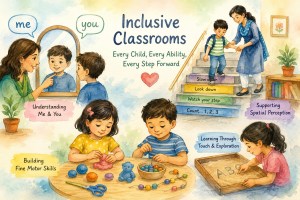
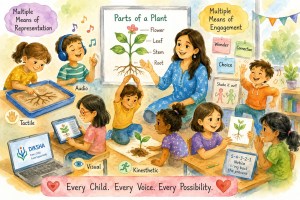
Developmental differences and learning differences are often confused, but they are not the same. This blog explains the key differences, how autism spans both, and how inclusive classrooms can support neurodiverse students effectively. Developmental differences affect early brain development, while learning differences influence how children process and apply information. Supporting neurodiverse learners requires flexible, inclusive teaching strategies that adapt to each child’s unique strengths and needs.

Sensory differences shape how neurodiverse individuals experience the world around them. From sensitivity to sounds and lights to seeking certain sensory inputs, these differences influence learning, emotions, and social interactions. This blog explores the science behind sensory processing, its impact on daily life, and why a neurodiversity-affirming approach helps create more inclusive and supportive environments

In today’s social media-driven world, teens face constant pressure to live up to unrealistic standards. In this blog, Araina explores the importance of body positivity and self-love. Appreciating yourself, treating yourself with kindness and building real confidence beyond likes and filters.


Montessori education goes beyond traditional learning by nurturing sensory integration, cognitive growth, and independence through thoughtfully designed, hands-on experiences. By engaging multiple senses and simplifying complex concepts, it helps children build strong neural connections, develop focus, and adapt confidently to their environment.

Developmental differences and learning differences are often confused, but they are not the same. This blog explains the key differences, how autism spans both, and how inclusive classrooms can support neurodiverse students effectively. Developmental differences affect early brain development, while learning differences influence how children process and apply information. Supporting neurodiverse learners requires flexible, inclusive teaching strategies that adapt to each child’s unique strengths and needs.

Sensory differences shape how neurodiverse individuals experience the world around them. From sensitivity to sounds and lights to seeking certain sensory inputs, these differences influence learning, emotions, and social interactions. This blog explores the science behind sensory processing, its impact on daily life, and why a neurodiversity-affirming approach helps create more inclusive and supportive environments

In today’s social media-driven world, teens face constant pressure to live up to unrealistic standards. In this blog, Araina explores the importance of body positivity and self-love. Appreciating yourself, treating yourself with kindness and building real confidence beyond likes and filters.
Bookosmia – India’s No. 1 Publisher For Kids, By Kids from 150+ locations worldwide.
Bookosmia is a safe and preferred destination for kids whether it is to read, listen, write or watch their favourite stories.