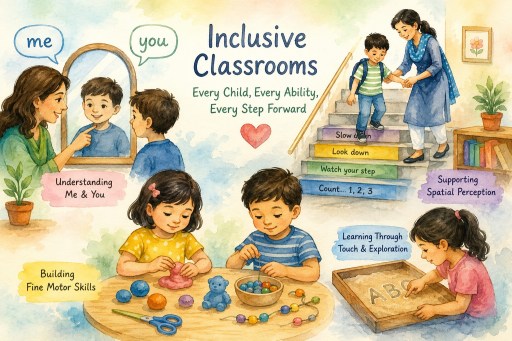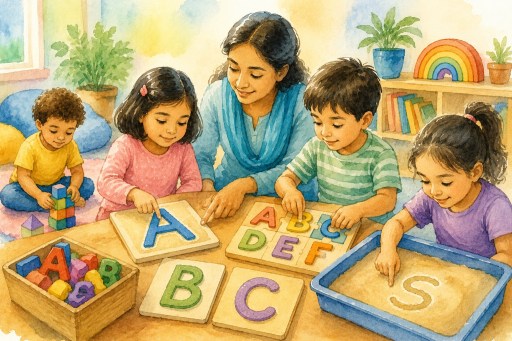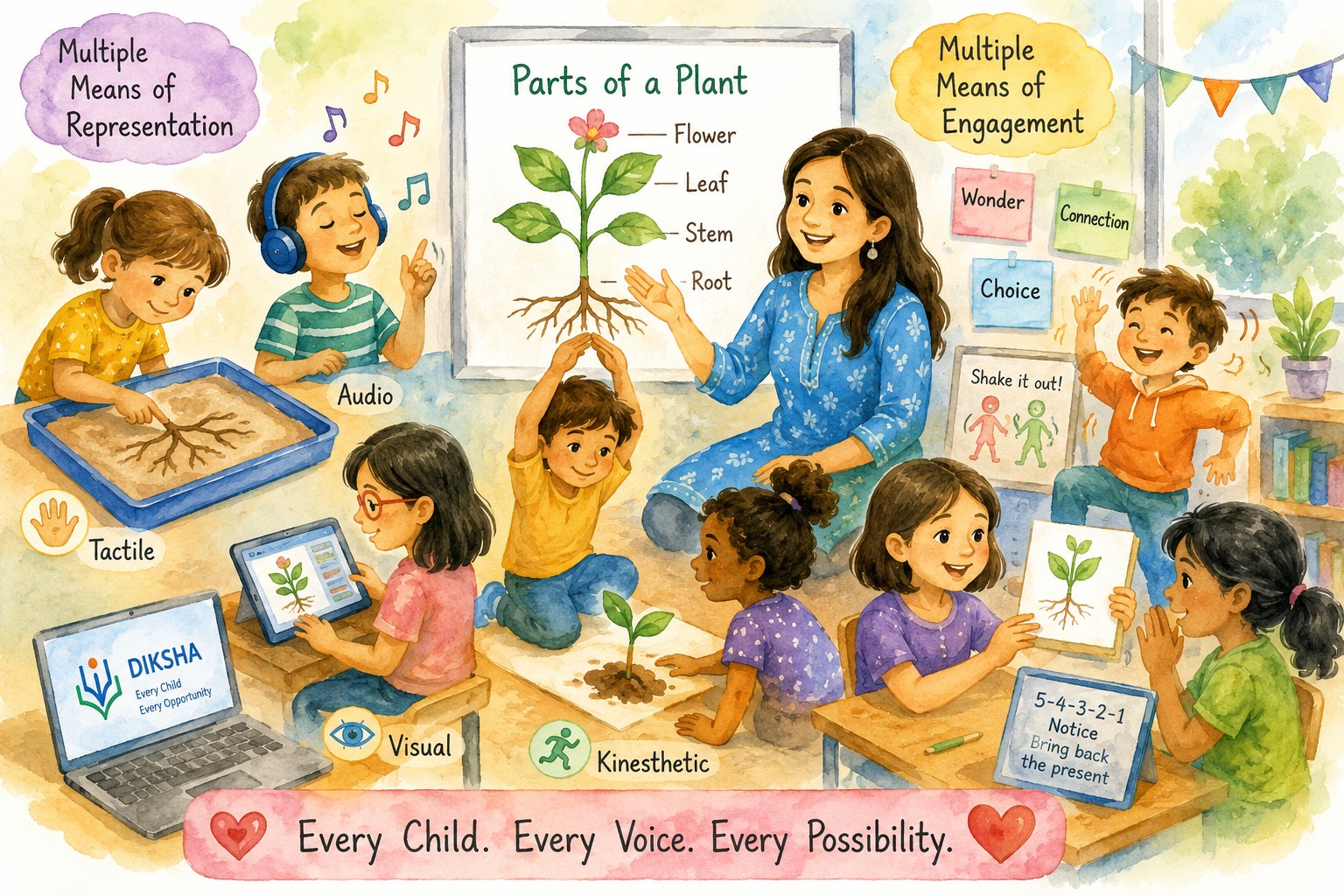
In traditional classrooms, students often face “curveballs” when content delivery is rigid. To overcome this, we must strategically diversify the “what” of learning through Multiple Means of Representation. Consider a lesson on “Parts of a Plant.” Instead of just showing a textbook diagram, a master practitioner provides “tweaks to the delivery” using sensory-rich inputs. You might use sand trays for tactile learners to trace root structures, ensuring they spend hours making shapes that solidify memory. For others, auditory songs about photosynthesis or visual digital resources from the DIKSHA platform can unlock understanding. Movement is equally vital; having students act out a seed sprouting helps those who learn through physical engagement. By providing these varied channels, we move beyond limiting “labels” to ensure every child “feels seen” and understood. This approach recognizes that while some students possess deep focus, others flourish through music or movement. Ultimately, adapting our representation allows us to prioritize the incredible minds of our students, helping every single child learn successfully to their very best unique ability.
Adapting our delivery ensures every child feels safe and seen, which leads to the next joyful turn on our path: how students communicate their resulting mastery.
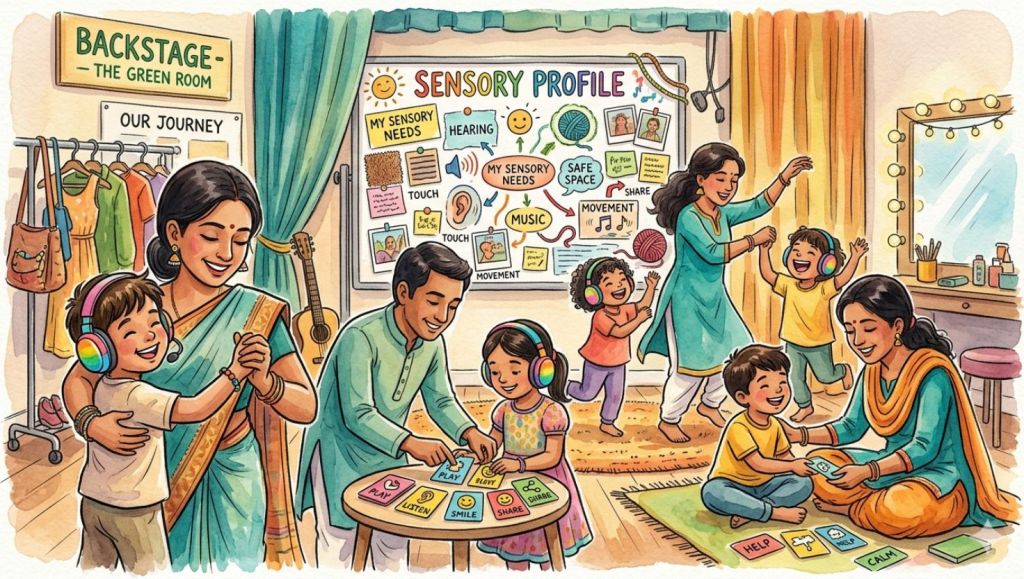
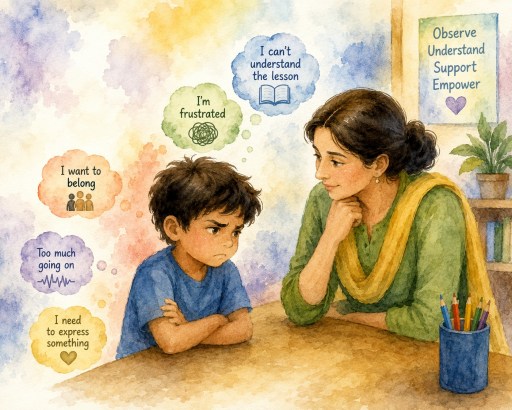
Multiple means of expression recognize that students “communicate understanding” differently based on their neurotype. This pedagogical shift is a strategic necessity to ensure the “end goal for all students”—learning to their best ability—is met. By moving away from rigid, “conforming” behaviors and standard testing, we open doors for assessments via “expressive arts,” movement, or verbal sharing. This flexibility allows us to actively dismantle unconscious bias, those automatic presumptions we form about a student’s potential based on labels or prior experiences. Instead, we use “accommodations” that prioritize a child’s “incredible hearts and minds” over their visible “struggles.” When we value the “hero in every child,” we allow them to demonstrate mastery through their own inherent strengths. Whether a child processes information through a million distractions or a focused project, our role is to provide the space for them to succeed. By reimagining assessment, we create a classroom where every student feels valued, capable, and finally ready to play a truly valuable role in a society where everyone has a valid place.
When students express themselves authentically, they build the confidence needed to find their “why,” fueling the emotional and motivational engine of the classroom.
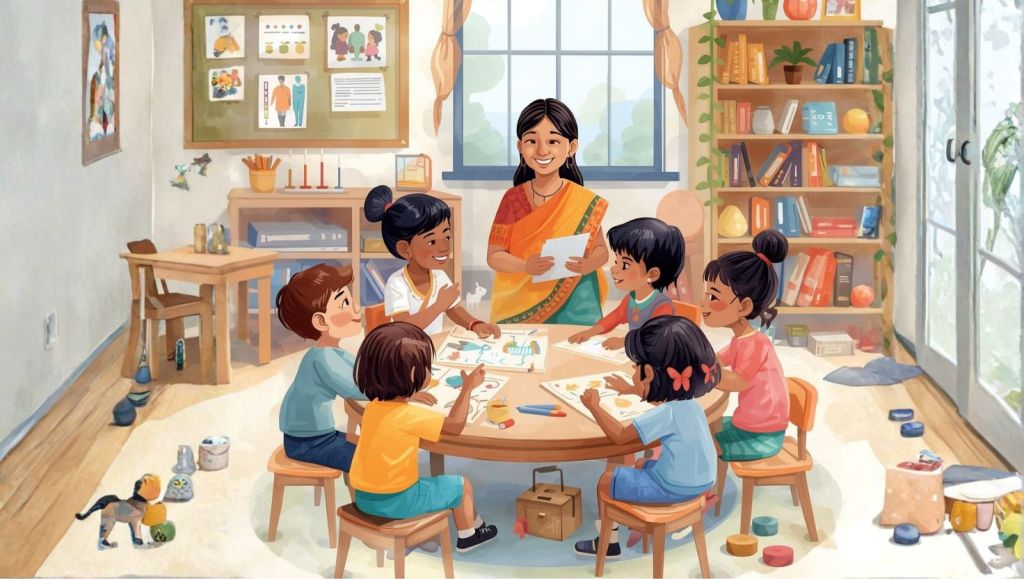
Cultivating the “why” of learning means making the classroom a place of wonder and connection. Through the spirit of Bachpan Manao (Celebrate Childhood), we use “sensory smart” strategies to trigger natural curiosity. We can apply this by integrating shared experiences like playing with puddles, raincoats, and paper-boats, or learning to make spinning tops spin with a teacher’s guidance. Such moments ensure every child feels “heard and happy” through deep “connection with people.” As Maya Angelou noted, students “never forget how you made them feel.” To maintain engagement, a master pedagogue uses tools like micro-breaks and the “shake it out” technique—standing to shake hands and legs for thirty seconds to release tension. We also use the “5-4-3-2-1” notice strategy to bring students back to the present. By prioritizing wonder over the “pressure of finishing portions,” we create a space where confidence is shaped. Ultimately, engagement is about making school a place of warm memories and first bonds. This ensures every heart thrives and grows in our colorful, joyful, and inclusive classrooms.
While these strategies thrive on the first bonds of human connection, our journey is supported by digital infrastructure that scales these inclusive efforts globally.
To scale global inclusion, teachers can leverage Artificial Intelligence and Digital Public Goods like the Sunbird open-source infrastructure. The DIKSHA platform, built on Sunbird, supports more than 1.5 million schools and offers educational resources in thirty-six languages. As highlighted on page 139 of our manual, AI facilitates an inclusive environment by providing “practical strategies” and “insights” that empower teachers to support diverse learning styles. Even under the intense “pressure of finishing portions,” AI-driven platforms offer tools for “deep focus” or catering to a “million distractions.” These digital assets serve as a companion for the Voices of Practitioners, documenting the journey of many for all of us to learn and grow. By utilizing these resources, you gain the confidence to look beyond labels and into the hearts of students who process information differently. Ultimately, this infrastructure ensures that high-quality inclusive learning happens everywhere, giving every child the right to their own bright, colorful, and warm childhood memories within our classrooms. By choosing to adapt, we truly empower every single heart successfully.
You hold the power to unlock this learning and create a society where everyone has a valuable role to play. Let’s Bachpan Manao, Celebrate Childhood together.
Universal Design for Learning (UDL) is a teaching framework that helps educators design lessons that meet the diverse learning needs of all students. It focuses on providing multiple ways to learn, express understanding, and stay engaged.
The three core principles of UDL are:
Teachers can use visuals, videos, storytelling, hands-on activities, songs, digital resources, real-life objects, tactile materials, and movement-based activities to help students understand concepts in different ways.
Students can demonstrate their understanding through presentations, artwork, role-play, writing, projects, discussions, videos, or models instead of relying only on written tests.
Engaged students are more motivated, confident, and likely to retain information. Activities that encourage curiosity, collaboration, movement, and choice help every learner participate actively.
AI-powered tools can personalize learning, recommend suitable resources, assist teachers in lesson planning, provide multilingual content, and help meet the needs of students with different learning styles and abilities.
DIKSHA is India’s national digital education platform that offers free learning resources, lesson plans, videos, and teacher training materials in multiple Indian languages.
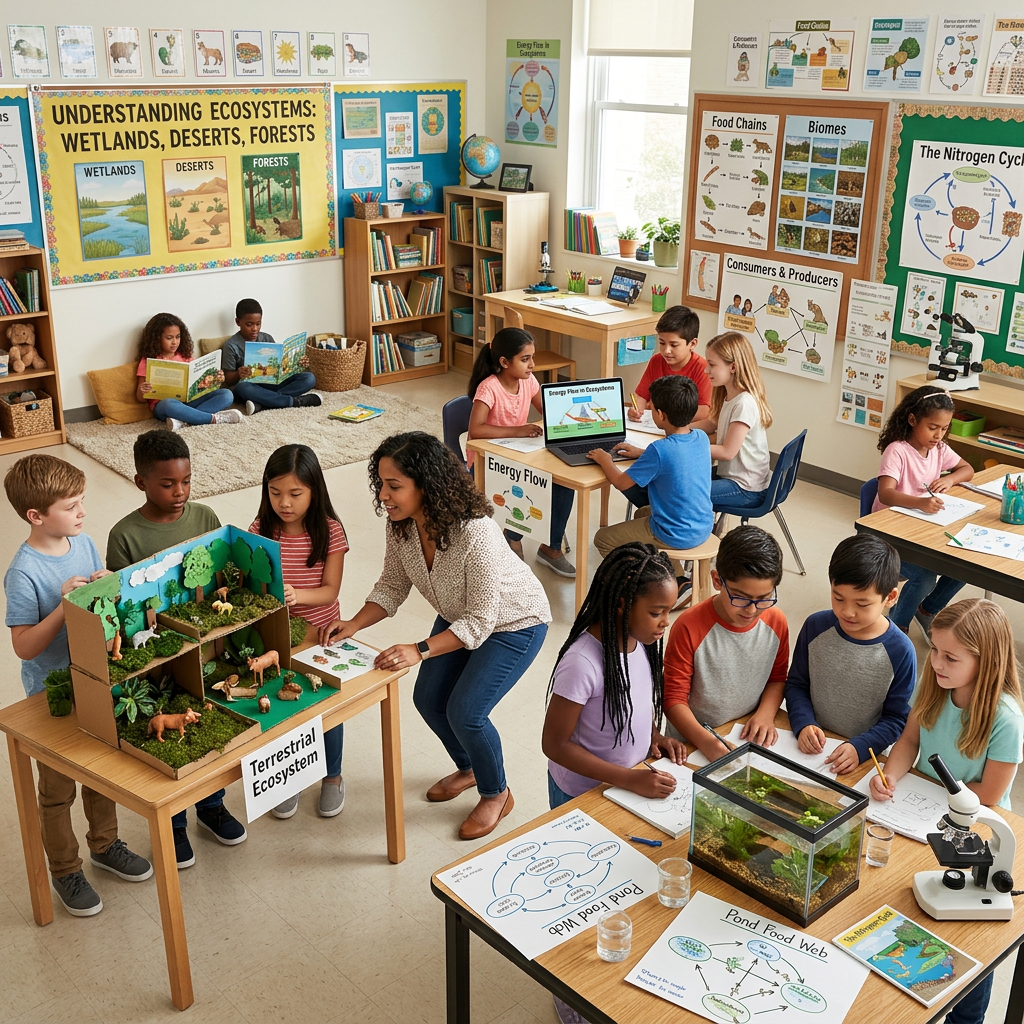
Teachers can combine visual diagrams, hands-on experiments, songs, storytelling, digital simulations, group discussions, and movement activities so that every student can access and understand scientific concepts.
Yes. UDL supports every learner—not just students with disabilities—by offering flexible learning experiences that accommodate different strengths, interests, and learning preferences.
Teachers can start by providing students with choices in how they learn, offering different ways to complete assignments, using a variety of teaching materials, and creating an inclusive, supportive classroom environment where every child feels valued.
Where can I buy the book – Dhwani?
Dhwani is an inclusive, mindfulness-based initiative designed to support the emotional well-being of teachers and students while fostering truly inclusive classrooms. Rooted in research from education, psychology, and neuroscience, Dhwani recognizes a simple truth: regulated teachers create safe, inclusive learning spaces.
At its core, Dhwani focuses on self-regulation, awareness, and emotional literacy. The curriculum equips educators with practical tools—such as grounding exercises, breathing techniques, and reflective practices—that can be used in real classroom moments, not just in theory. These tools help teachers respond with curiosity rather than control, and empathy rather than assumption.
Dhwani believes inclusion is not a checklist or a one-time intervention, but an ongoing journey. By supporting teachers’ mental health, Dhwani helps reduce burnout, unpack unconscious bias, and build resilience—making inclusion sustainable rather than exhausting.
Through simple, age-appropriate practices, Dhwani also empowers students to understand their emotions, feel safe, and stay engaged, creating classrooms where every child is seen, valued, and supported.
In essence, Dhwani begins with the teacher’s well-being—because inclusion starts from within.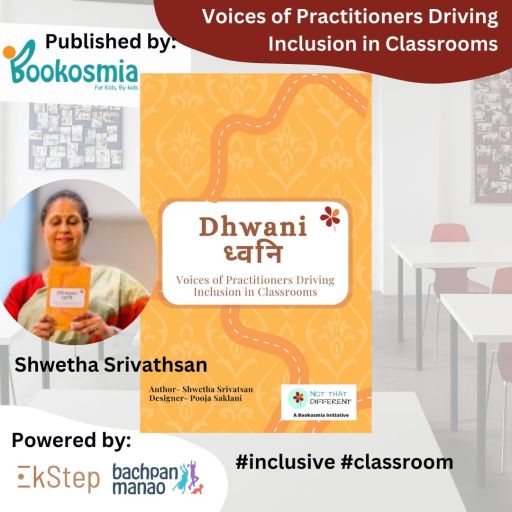
Dhwani I Voices of Practitioners Driving Inclusion in Classrooms

Gift Books On Inclusion
₹999
***
This article is published by Bookosmia, India’s #1 publisher for and by young people. Bookosmia publishes stories, books, podcasts, events, TED-Ed talks, workshops, bedtime stories and more related to kids and young adults.
Photo Credit – AI generated images from Chat GPT and Magic Media from Canva .
Want to publish your articles, reviews, stories, audio stories, bedtime stories and poems ?
Did you know that children can submit audio stories to be turned into Bedtime Stories and published on Bedtime Stories – A Podcast by Bookosmia?
Write to us at sara@bookosmia.com or submit your article at the link below
Read More