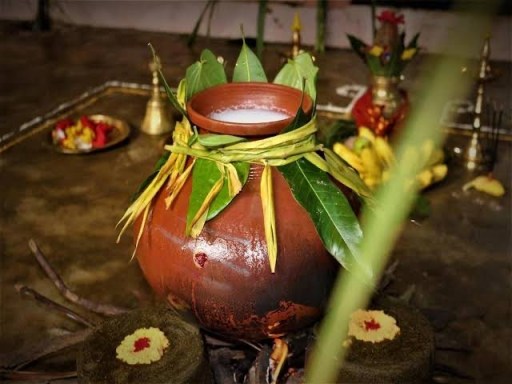
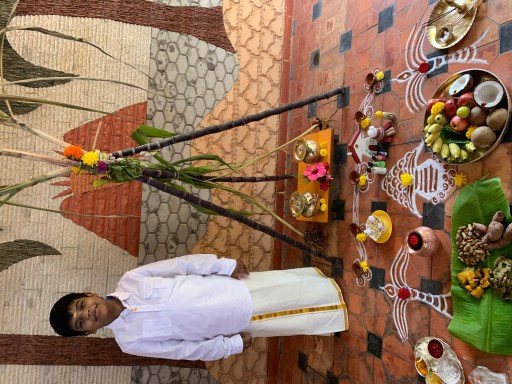
Maatu Pongal is the third day of the Pongal festival, celebrated mainly in Tamil Nadu and by Tamil communities worldwide.
“Maatu” means cattle (cows and bulls).
This day is dedicated to honouring cattle, who play a vital role in agriculture by helping farmers plough fields and produce food.

Maatu Pongal is marked by joy, colour, and reverence. The celebrations typically include:
Cows and bulls are bathed, decorated, and adorned with garlands, bells, and colourful paint.
They are fed special food like Pongal (sweet rice), fruits, and grass.
Farmers perform puja and thank the cattle for their hard work.

Maatu Pongal goes beyond ritual, it carries a deep cultural and ecological message.
Maatu Pongal shows gratitude towards animals and nature.
It reflects the idea of coexistence between humans, animals, and the environment.
Cattle are treated as part of the family and respected as a source of prosperity.
Maatu Pongal is a beautiful festival of thanksgiving and respect. By honouring cattle, it honours the invisible labour that sustains food systems and life itself. The festival celebrates not just harvest, but the timeless bond between humans, animals, and nature.
Maatu Pongal reminds us that prosperity is meaningful only when shared with gratitude and compassion.
Get understanding more about the beautiful festival of Maatu Pongal through ‘Raju and the runaway calf’.

Step into the vibrant world of Pongal with Raju & the Runaway Calf, an inspiring children’s book by Archisha Sarath. When Raju, a boy with cerebral palsy, finds his beloved calf Laddoo missing during the festival, he sets off on a brave adventure that celebrates courage, inclusion, and the magic of Indian traditions. Filled with warmth and heart, this beautifully illustrated tale is perfect for young readers who love cultural stories, animals, and festivals.
Link : Raju & The Runaway Calf | Children’s Illustrated Book
What is Maatu Pongal?
Maatu Pongal is the third day of the Pongal festival, dedicated to honouring cattle such as cows and bulls for their vital role in agriculture and rural livelihoods.
How is Maatu Pongal different from Thai Pongal?
Thai Pongal celebrates the Sun God and the harvest, while Maatu Pongal specifically honours cattle for their contribution to farming and food production.
What rituals are performed on Maatu Pongal?
Cattle are bathed, decorated with garlands and colours, fed special food like sweet Pongal, and worshipped through puja. Homes and cattle sheds are also decorated with kolams.
Is Maatu Pongal celebrated only in Tamil Nadu?
Maatu Pongal is mainly celebrated in Tamil Nadu, but Tamil communities across India and around the world also observe the festival.
What is the cultural significance of Maatu Pongal?
The festival highlights gratitude towards animals, respect for nature, and the importance of coexistence between humans, animals, and the environment.
How is Maatu Pongal relevant today?
Even today, Maatu Pongal reminds people of sustainable living, ethical treatment of animals, and the agricultural roots of society, making it meaningful in both rural and urban settings.
What is Raju and the Runaway Calf about?
It’s a children’s illustrated book about Raju, a boy with cerebral palsy, and his beloved calf Laddoo, set during the Maatu Pongal festival. When Laddoo runs away, Raju shows that determination and individuality can save the day.
How does this book promote inclusion?
It celebrates kids with disabilities as heroes of their own stories, encouraging empathy, diversity, and positive representation in children’s literature.
Where can I buy the book?
The book is available on Amazon and Bookosmia
***
This article is published by Bookosmia, India’s #1 publisher for and by young people. Bookosmia publishes stories, books, podcasts, events, TED-Ed talks, workshops, bedtime stories and more related to kids and young adults.
Photo Credit – AI generated images from Chat GPT and Magic Media from Canva .
Want to publish your articles, reviews, stories, audio stories, bedtime stories and poems ?
Did you know that children can submit audio stories to be turned into Bedtime Stories and published on Bedtime Stories – A Podcast by Bookosmia?
Write to us at sara@bookosmia.com or submit your article at the link below
Read at Bookosmia
Makar Sankranti: Celebrating the Sun, Harvest and Indian Traditions