Discovering Singapore: The Garden City
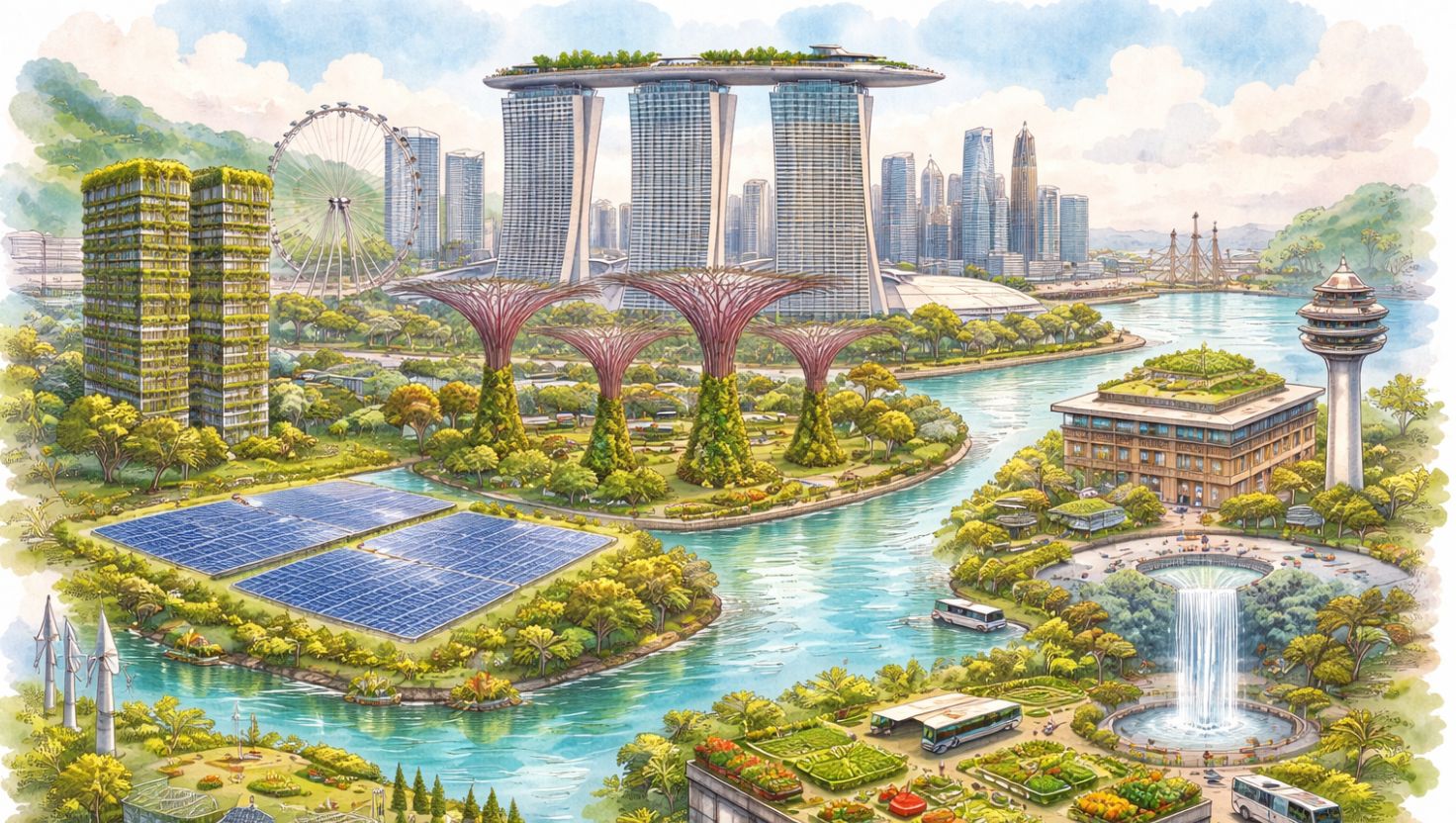
One day, while working on my school project about sustainable landscaping, I began exploring how different countries care for the environment. As I dived deeper into my research, I discovered something truly fascinating, Singapore, a small island nation, is famously known as the ‘Garden City’. I was amazed to learn how such a small country, with limited natural resources and land, has turned itself into a green, eco-friendly urban paradise. Everywhere you go, you’ll see vertical gardens, rooftop greenery and nature blended beautifully with modern buildings. I was fascinated when I heard about their landfill Island, the Semakau landfill. I realized that Singapore is not just a modern city but also a global leader in sustainability.
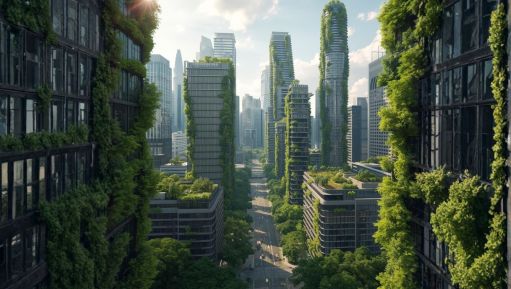
The Rise of Vertical Farming
A year later, I visited that place. I realised that vertical farming is extremely important in Singapore because the country has less land for traditional farming. So, to solve this Singapore uses vertical farming. I saw Sky Greens, the world’s first commercial vertical farm. It used rotating towers and very little water to grow leafy vegetables like lettuce and Bok Choy. Vertical farming helps Singapore become more self-sufficient. It is a smart and sustainable way to produce food in a small country with limited space.
Waste Management and Zero-Waste Practices
I also came to know that Singapore has strict rules for garbage dumping. The country follows a zero-waste policy, where waste is sorted, recycled, or incinerated to generate energy. Even the ash from incineration is safely stored at Semakau Landfill, a man-made island created by joining two small islands with a rock bund. It is the world’s first offshore landfill that also supports wildlife and mangroves, showing how Singapore balances waste management with environmental conservation and innovation. I was fascinated by hearing about this island.
Renewable Energy Innovations in Singapore
While exploring Singapore. I saw that most of Singapore runs on renewable energy. Singapore has put up floating solar farms in the waters surrounding the island. I also saw the Tengah Reservoir, where a large floating solar panel system had been installed to generate renewable energy. Many residential and commercial buildings had solar panels on their roofs, making use of every available space to produce clean energy.
Cleanliness and Discipline in Daily Life
I was amazed to know that Singapore is one of the cleanest countries in the world. Cleanliness is taken seriously by both the government and the people. I was especially impressed by how clean their hawker centres were. They are regularly cleaned and maintained to a high standard, which helps prevent the spread of germs and keeps the environment healthy. Public trash bins are placed everywhere, so people have no excuse to litter. I started wondering—if Singapore can keep its public spaces so neat and tidy, why can’t all countries adopt similar ideas? It made me realize that discipline, good planning, and strict rules can make a huge difference in protecting the environment.
Government Policies Driving Sustainability
Their government is also supportive of sustainability and development in an eco-friendly way. The Housing and Development Board is an example of Singapore’s efficient government, which has successfully provided affordable public housing to more than 80% of the population. Other boards like the Singapore Economic Development Board have worked tirelessly to attract global businesses and boost Singapore’s economy, making it one of the world’s leading financial hubs.
World-Class Infrastructure and Facilities
Singapore also had top-class facilities like the Changi- airport, which had free Wi-Fi, a swimming pool, a butterfly garden and even a cinema, I enjoyed being inside the airport. Singapore had well-maintained public restrooms in parks, malls, and transportation stations, ensuring that visitors always have access to high-quality facilities.
Strict Laws That Maintain Order
One of the most famous rules in Singapore is the ban on chewing gum. The public smoking laws, another example, where smoking is restricted to designated areas, keeping public spaces smoke free. There is also a strict rule against jaywalking, ensuring that people cross roads only at designated pedestrian crossings, maintaining traffic order and safety.
Conclusion: A Nation Built on Vision and Discipline
In conclusion, Singapore stands as a model for cities around the globe. Even in my city, demonstrating how strict rules, innovative technologies, and sustainable practices can transform a small island into one of the cleanest, safest, and most efficient places to live. Through its commitment to cleanliness, effective government policies, sustainability, and renewable energy, Singapore is shaping a future where both people and the environment can flourish. This tiny yet powerful nation shows that when a country works together with vision and discipline, it can overcome challenges and create a thriving, harmonious society. We also need to learn a lot!
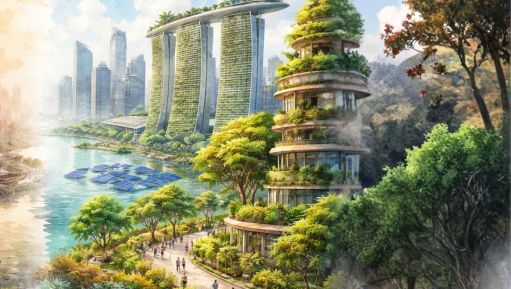
Why is Singapore called the “Garden City”?
Singapore is known as the “Garden City” because of its extensive greenery, including vertical gardens, rooftop plants, parks, and tree-lined streets integrated into urban spaces.
What is vertical farming and why is it important in Singapore?
Vertical farming is a method of growing crops in stacked layers. It is important in Singapore because the country has limited land, so this technique helps produce food efficiently in small spaces.
What is Semakau Landfill and why is it unique?
Semakau Landfill is a man-made island used for waste disposal. It is unique because it is the world’s first offshore landfill that also supports marine life, mangroves, and biodiversity.
How does Singapore manage its waste effectively?
Singapore follows a zero-waste approach by recycling, incinerating waste to generate energy, and safely storing ash, ensuring minimal environmental impact.
What renewable energy sources are used in Singapore?
Singapore uses solar energy, including floating solar farms on reservoirs and solar panels on rooftops, to generate clean and sustainable energy.
Why is Singapore considered one of the cleanest countries in the world?
Strict laws, disciplined citizens, regular cleaning, and proper waste disposal systems help maintain high levels of cleanliness across the country.
What role does the Housing and Development Board play?
The Housing and Development Board (HDB) provides affordable and well-planned housing to over 80% of Singapore’s population, supporting organized urban living.
What makes Changi Airport special?
Changi Airport offers world-class facilities such as free Wi-Fi, gardens, entertainment zones, and excellent services, making it one of the best airports globally.
What are some strict rules followed in Singapore?
Singapore has rules like banning chewing gum, restricting smoking to designated areas, and prohibiting jaywalking to maintain cleanliness and safety.
What can other countries learn from Singapore?
Other countries can learn the importance of discipline, strong governance, sustainable practices, and innovative solutions to build cleaner and smarter cities.
Where can I buy books?
You can buy the books at Bookosmia website and Amazon.in
A heartwarming wildlife story for kids aged 4+ about kindness, courage, and living in harmony with nature. Step into the vibrant landscapes of Africa in Akinyi and the Elephants, a beautifully illustrated picture book that introduces young readers to an important real-world challenge, how humans and animals can peacefully coexist. When elephants begin trampling her family’s crops, young Akinyi faces a difficult problem. Her family’s livelihood is at risk—but she has one powerful belief: The elephants must not be harmed. With empathy, curiosity, and determination, Akinyi sets out to find a solution that protects both her family and the animals she loves. Perfect for children ages 4+, this gentle and engaging story encourages young minds to think beyond quick reactions and explore thoughtful, compassionate solutions. Through Akinyi’s journey, children learn about kindness, environmental awareness, and the importance of respecting wildlife. Why this book stands out: A meaningful introduction to wildlife conservation for young children Encourages empathy, problem-solving, and emotional intelligence A culturally rich African setting that broadens young perspectives Beautiful, engaging illustrations that bring the story to life Perfect for:  Kids ages 4–8 who love animal stories Parents teaching empathy and kindness Early learners exploring nature and the environment Bedtime reading and classroom discussions Created by a globally experienced team, including an author with a background in energy and environment and a UN volunteer in Tanzania, and an illustrator who has worked with UNICEF and leading publishers, this book combines storytelling with real-world relevance. Published by Bookosmia, this book is more than just a story, it’s a gentle lesson in compassion, coexistence, and caring for our planet.
***
This article is published by Bookosmia, India’s #1 publisher for and by young people. Bookosmia publishes stories, books, podcasts, events, TED-Ed talks, workshops, bedtime stories and more related to kids and young adults.
Photo Credit – AI generated images from Chat GPT and Magic Media from Canva .
Want to publish your articles, reviews, stories, audio stories, bedtime stories and poems ?
Did you know that children can submit audio stories to be turned into Bedtime Stories and published on Bedtime Stories – A Podcast by Bookosmia?
Write to us at sara@bookosmia.com or submit your article at the link below
Singapore Trip – My Adventure At The Singapore Zoo | By Risha