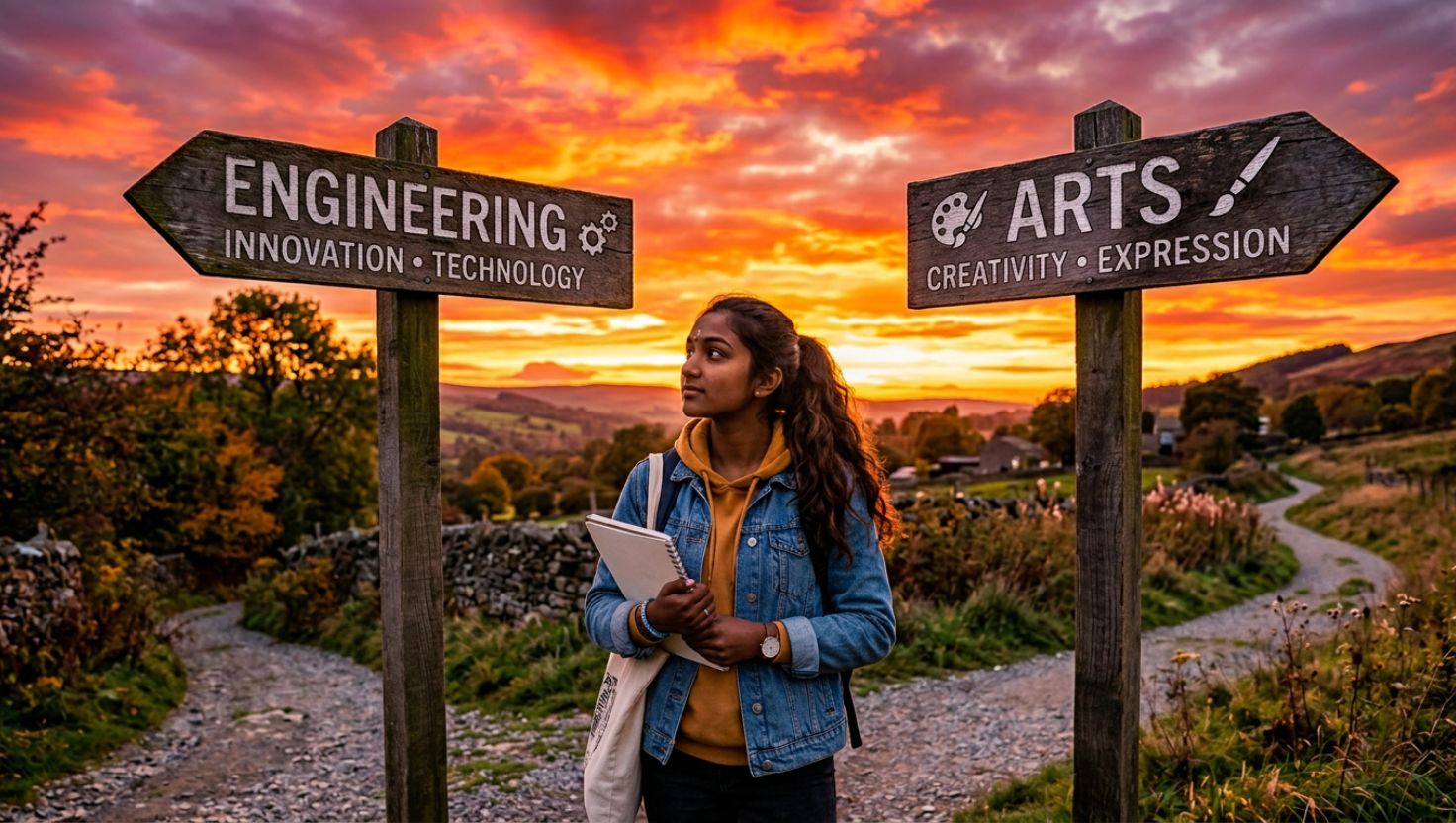
A few days ago, my mom asked me,” What do you want to become?” I joked,” What are the options?” She replied,” doctor or engineer”. We both laughed, but that laugh felt heavy because it was so familiar. Around me, these two paths are discussed more than writing, singing, dancing or any other creative field. For many parents, they are not two career paths; these are “safe paths” shaped from the belief that they are the surest way to success.
In many households, the word ‘dream’ has been left out in the rain for so long that it has started to lose its strength. To parents’ generation, a dream is just something that happens when you are asleep- it is seen as a fantasy or something unreal. Every comment that labels a dream as unrealistic is like another drop of rain on the iron.
When a student says that they want to become a photographer or musician, it is often dismissed as a hobby rather than a career. Somewhere along the way, a line has been drawn between dreams and reality, as if they cannot exist together. By calling them unrealistic, people unknowingly keep those dreams in the dark, and they slowly begin to lose their shine.
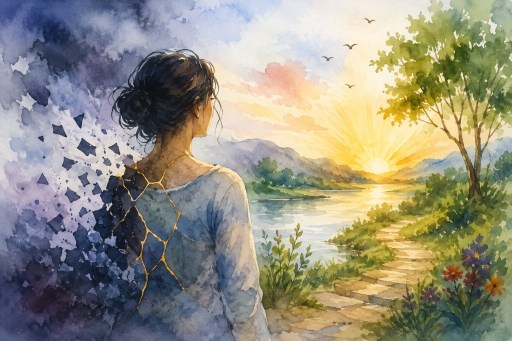
I believe that every child’s passion is like a shining iron, you can see in their eyes when they talk about what they love, whether it is dancing, singing, coding, or painting. In that moment, their dream feels strong and bright. But instead of helping them build something meaningful, our society and education system leave them in the dark. The excitement fades, the confidence weakens and the dream that once felt alive feels strange. A child who used to spend hours sketching is now solving mock tests. Iron does not rust in a single day; it rusts little by little after being left out for so long. I think passion is the same, when they are doubted, ignored, and not given the opportunity, they become rusted, this is what I mean by “rusted passions”- a dream that was never impossible but was never given the chance to come alive.
The numbers tell a story that society likes to ignore. Every year, nearly 14 lakh students enter the JEE race, competing for around 10,000 seats. We are told this is the “safe” path, but the math tells a different story. When the results are announced, the world celebrates the top 1%. The remaining students—who spent countless nights preparing for the exam- are often made to feel like failures. Society forgets their efforts and focuses only on their rank. In this process, their once-shiny passions are left to rust for a destination they may never have chosen for themselves.
Many parents encourage their children to become doctors or engineers because they want their child to be successful and financially secure. Their intentions are often good but success is rarely built on pressure.it comes from curiosity, growth and a desire to keep learning. If a child never wanted to become a doctor then where will the curiosity to learn medicine come from? If they never wanted to become engineer then where will the passion to innovate come from? We chase careers because they promise success, but have we forgotten that success often grows from passion. Perhaps the real question is not what a child should become, but whether we are allowing children to become who they truly want to be? And as you finish reading this ask yourself that What is your dream? Are they still alive or are they slowly beginning to rust?
What does the term “rusted passions” mean?
“Rusted passions” refers to dreams and talents that slowly fade away because they are ignored, discouraged, or never given the opportunity to grow. Just as iron rusts when left unattended, passions can weaken when they are not nurtured.
Why do many parents encourage careers like engineering and medicine?
Many parents believe these professions offer financial stability, job security, and social respect. Their advice usually comes from a desire to protect their children and help them succeed.
Are creative careers less successful than traditional professions?
Not necessarily. Success depends on skill, dedication, continuous learning, and opportunities. Many people build fulfilling and financially rewarding careers in fields such as writing, music, photography, design, and entrepreneurship.
How does societal pressure affect students’ dreams?
Societal pressure can make students feel that only certain careers are valuable. This may cause them to abandon their true interests and pursue paths that do not align with their passions.
What is the significance of the JEE statistics mentioned in the article?
The statistics highlight the intense competition faced by students. They demonstrate that a career path often considered “safe” is actually highly uncertain and can leave many students feeling disappointed despite their hard work.
Why is passion important in building a successful career?
Passion fuels curiosity, motivation, and perseverance. People who enjoy what they do are often more willing to learn, improve, and overcome challenges, increasing their chances of long-term success.
Can dreams and reality exist together?
Yes. Dreams become reality when they are supported by effort, learning, planning, and opportunities. A dream does not have to be unrealistic simply because it is different from traditional expectations.
What role should parents play in their children’s career choices?
Parents can guide and support their children while also listening to their interests and strengths. Encouragement and open communication can help children make informed decisions about their future.
How can students keep their passions from “rusting”?
Students can continue practicing their interests, seek mentors, participate in related activities, and make time for what they love, even while managing academic responsibilities.
What is the main message of the article?
The article encourages readers to reflect on whether society is allowing children to pursue their genuine interests. It reminds us that dreams deserve support, not dismissal, and asks us to consider whether our own dreams are still alive or slowly beginning to rust.
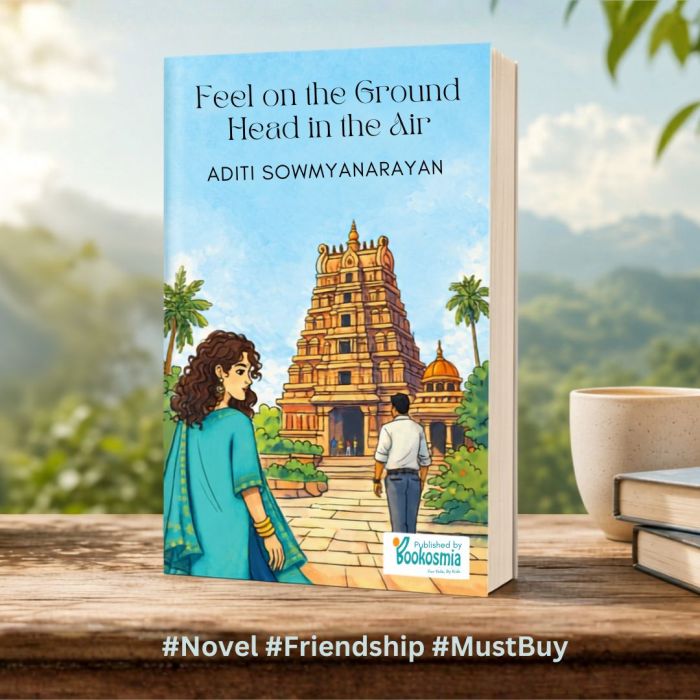
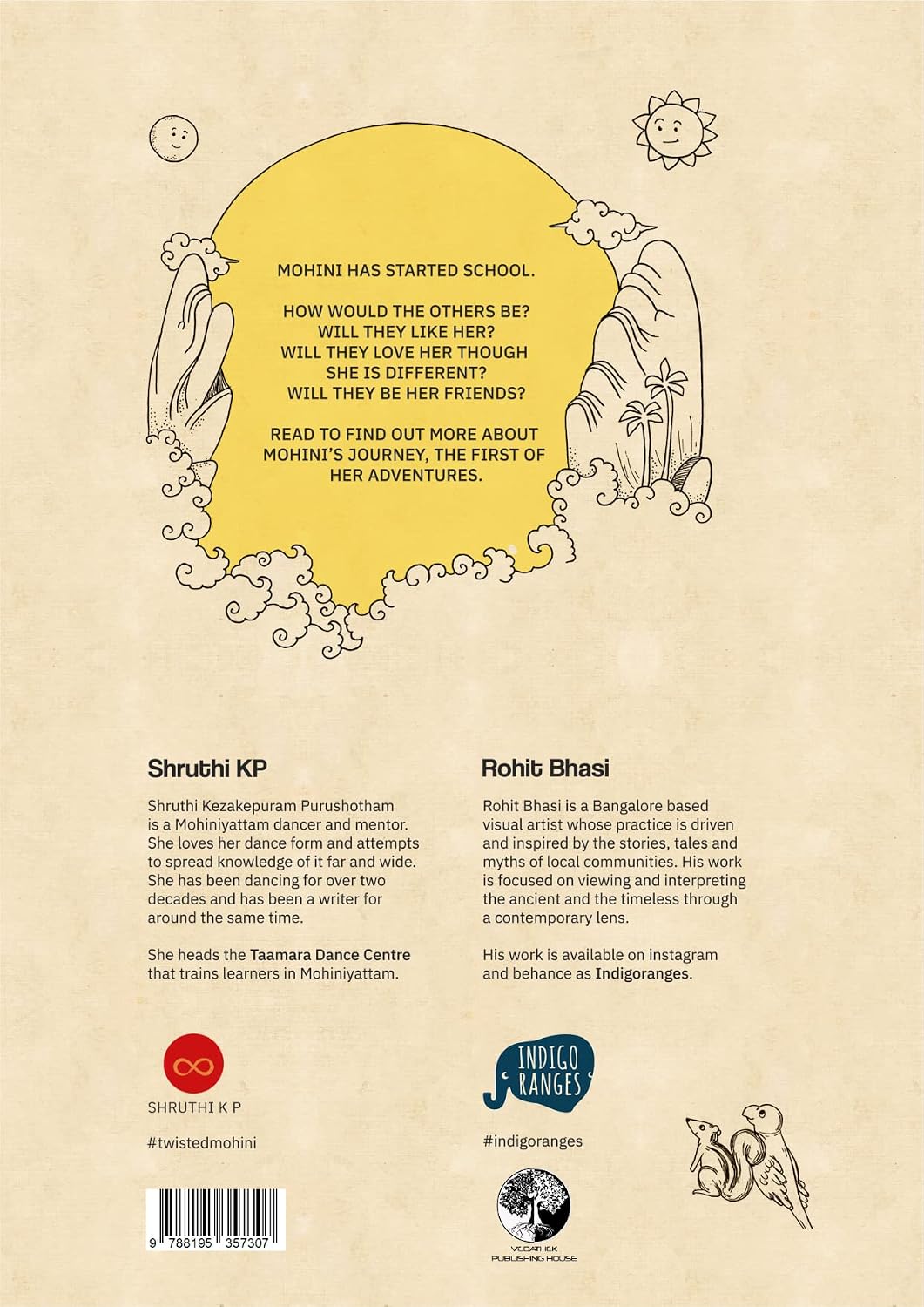
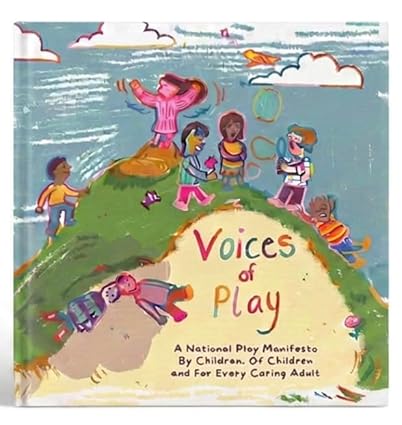
Where can you buy the books?
You can buy the books at Bookosmia and Amazon.
https://www.amazon.in/dp/816855552X
Voices of Play: A National Play Manifesto By Children, Of Children and For Every Caring Adult is a Bachpan Manao Collabaction by REACH India Collective, Shiksharth, and EkStep Foundation. Published by Bookosmia. Contributors: Deepika Mogilishetty, Ashish Shrivastava, Archana Mohan, Keren Sam, Samyuktha Udupa. Made possible by 22 partner organisations who captured the voices of over 4,000 children across 10 states. Does Play have a voice? What does Voices of Play mean? Across ten states and shaped by over 4,000 children, Voices of Play is a joyful window into the world of play told by children themselves. Brought to life with the support of 22 organisations, achored by Ek Step Foundation’s Bachpan Manao program, it gathers stories, games, and memories from anganwadis, community spaces, preschools, and classrooms—capturing a rich tapestry of childhoods and the worlds of play around us we may have never noticed before. With artwork recreated from children’s own drawings and moments captured from the field, this book, published proudly by Bookosmia (smell of books) is made with children, not just about them. Built on their trust, it celebrates play as imagination, memory, and a language that belongs to every child.
***
This article is published by Bookosmia, India’s #1 publisher for and by young people. Bookosmia publishes stories, books, podcasts, events, TED-Ed talks, workshops, bedtime stories and more related to kids and young adults.
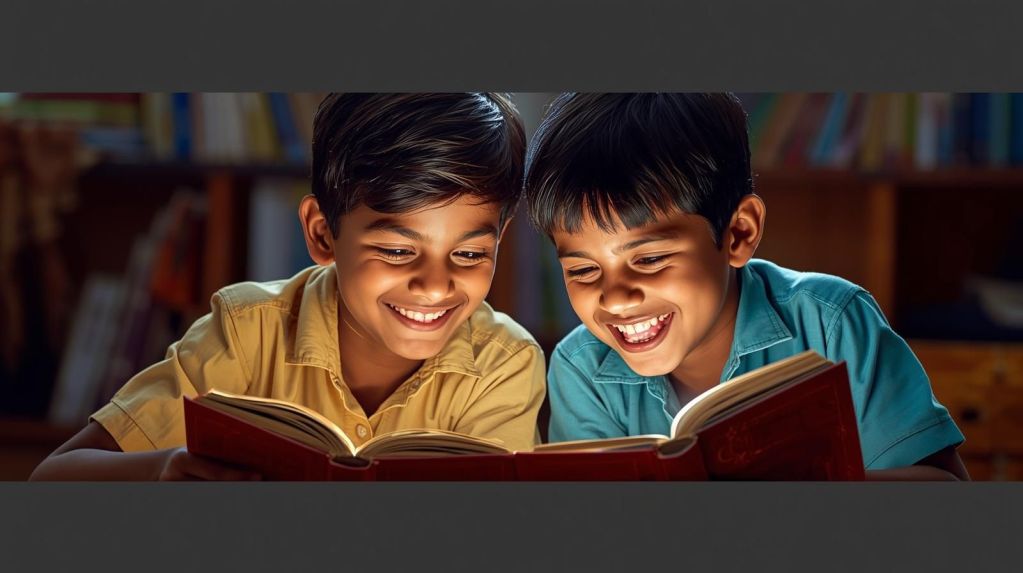
Photo Credit – AI generated images from Chat GPT and Magic Media from Canva .
Want to publish your articles, reviews, stories, audio stories, bedtime stories and poems ?
Did you know that children can submit audio stories to be turned into Bedtime Stories and published on Bedtime Stories – A Podcast by Bookosmia?
Write to us at sara@bookosmia.com or submit your article at the link below