Silas and Elora were simple-minded farmers on the outskirts of Nashville. Silas was a good man, though plagued by a superstitious streak. Elora possessed a more practical mind and was a fine, loving woman. Silas and Elora worked hard enough in the fields to satisfy their daily needs.
One Tuesday evening, when Silas was returning from the fields, his horse ran into a herd of cattle. The beast got frightened and bolted down the street. Silas clinging on for dear life. It knocked down an elderly woman, but unfortunately her pet dog, a scruffy thing which was more spirit than blood, was crushed instantly.
The woman did not scream. But her face was white to the lips and with an expression of utmost grief as she looked at the lifeless form of her pet dog, who had been walking beside her only a short while ago. She looked at Silas, who was curled up on the sandals, trembling. Her eyes flashed with a blind fury. Silas offered apologies and a few meagre coins. She ignored the money.“He was my only eyes in the dark,” she hissed. “You have taken a life for a moment’s haste.”
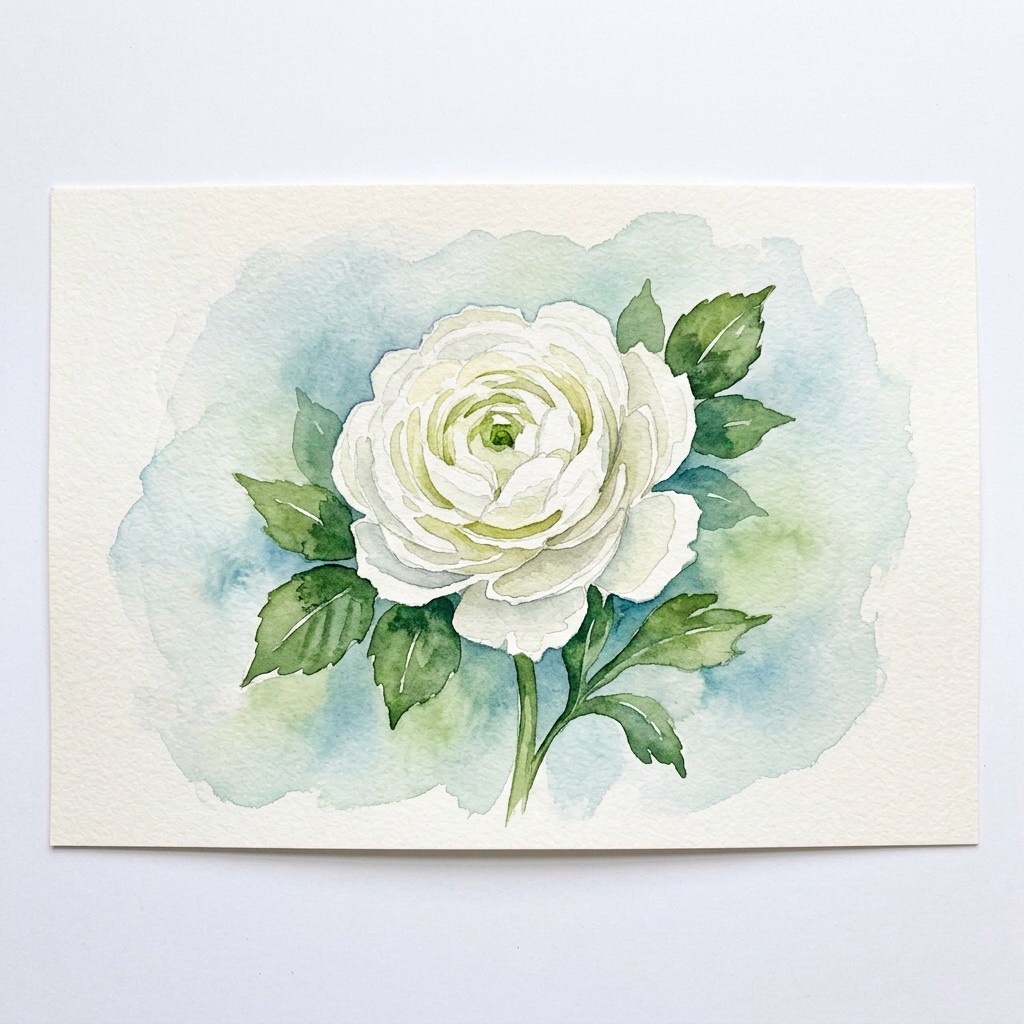
In her gnarled hand, she clutched a white flower, its petals dusty from the road’s grit.
“This will bring the debt,” she said, holding the flower up. “You will pay for the life you have taken.”
Silas spent the next few months in a state of quiet, twitchy dread. He did not tell Elara; he did not want to infect her practical mind with his ‘phantoms’. But as time went on, his superstitious nature refused to let go of the woman’s words. Nevertheless, the ‘debt’ arrived, and with it trouble and heartbreak.
Elara fell gravely sick. It wasn’t a plague or a seizure, but a rare, lasting fever that took hold of Elara. She did not require modern medicine; she needed a herbal infusion derived from a specific mountain root that only grew in the treacherous ravines nearby. The doctors were too busy with a typhoid outbreak, and Silas, frail and broken-hearted, could not scale the peaks. Silas sent the news to the village, asking for someone to volunteer to climb the ravines. But there was no time, and as Silas began to lose hope, Elara lay in the hospital, fading from the world.
For days he sat by her bed, his head drooping in a laboured sleep, his unsteady mind trying to piece the puzzle together. He dreamt of the old woman laughing as she tore the petals of her flower. In reality, however, the only thing holding Silas back from climbing the ravine was fear for his own life, though he had subconsciously muttered to himself that he would readily give up his life to save Elora. The ravines were known for quite a number of deaths. Silas, helpless and frightened, could see no turn of his fortunes as he sat there gripping Elora’s cold, motionless hand.
Two days later, a doctor came rushing in, excitement glowing in his face. A noble person, a wandering elderly herbalist, had appeared at the hospital’s gates and had volunteered to climb the ravines. She had heard of Elora’s critical condition in the village. She asked for no money. Silas looked up, relief blocking the words in his throat, but he did not smile, as he knew that as the days passed, Elora’s condition had worsened, and she now had little chance of living.
The very next morning, the herbalist returned, clothes torn, her breathing a ragged short whistle, handing over the life-saving root before collapsing due to the sheer exertion of the climb. She, too, was admitted to the hospital.
A few days later, Elora’s colour returned. A few hours later, she sat up, her eyes bright with a sudden mysterious clarity.
“Silas,” she murmured, “can’t I go see the woman who saved me?”
The doctor, who had been checking her vitals, looked up.
“I’m afraid that wish will remain unfulfilled. The woman passed away about an hour ago.”
Silas, suddenly regretful, followed the doctor to a quiet room at the end of the hall. On a narrow bed lay the person, her features finally at peace. Silas felt a cold prickle start at the base of his spine as he recognized the woman.
It was her, the woman from the crossroads. His face turned convulsed with horror, but as he saw it, it started to sink in, and he became grateful and relieved. But his expression changed as something caught his sight.
Lying beside the woman was the white flower of that fateful night, no longer dusty but brilliant and pure, glowing in the sunlight.
1.Who are the main characters in “The White Flower”?
The main characters are Silas, Elora, and the elderly woman who owns the dog. The herbalist later becomes an important part of the story.
2. Where does the story take place?
The story takes place on the outskirts of Nashville, mainly around Silas and Elora’s farm, the village, the hospital, and the nearby mountain ravines.
3. What happens to the elderly woman’s dog?
Silas’s frightened horse runs into the woman and her dog. Sadly, the dog is accidentally crushed and dies.
4. Why does the elderly woman blame Silas?
She believes Silas’s carelessness caused the death of her beloved dog, which had been her companion and “eyes in the dark.”
5. What does the white flower represent?
The white flower represents the mysterious debt mentioned by the elderly woman. By the end of the story, it also becomes a symbol of forgiveness, sacrifice, and hope.
6. Why does Silas become frightened after the accident?
Silas is superstitious and becomes convinced that the elderly woman’s words about a “debt” will somehow bring misfortune upon him.
7. What happens to Elora?
Elora develops a severe and lasting fever. She needs a rare mountain root to prepare a life-saving herbal infusion.
8. Why can’t Silas get the mountain root himself?
Silas is physically frail and frightened because the dangerous ravines have caused many deaths. He is unable to make the climb himself.
9. Who brings the life-saving root?
An elderly wandering herbalist volunteers to climb the dangerous ravines and brings back the root needed to save Elora.
10. What happens to the herbalist?
The herbalist collapses from exhaustion after returning with the root. Although Elora recovers, the herbalist dies in the hospital.
11. Why is Silas shocked when he sees the herbalist?
Silas recognizes her as the same elderly woman whose dog had died in the accident. He realizes that she risked and ultimately gave her life to save Elora.
12. What happens to the white flower at the end?
The flower is found beside the woman’s body. Unlike before, it is no longer dusty; it appears brilliant, pure, and glowing in the sunlight.
13. What is the main message of the story?
The story highlights forgiveness, compassion, sacrifice, and redemption. It shows that an act of kindness can overcome anger and transform a painful encounter into something meaningful.
14. What lesson can readers learn from Silas’s experience?
Readers can learn to take responsibility for their actions, overcome fear, and understand that compassion and forgiveness can be more powerful than revenge.
15. Why is the ending mysterious?
The ending leaves readers wondering whether the white flower has a supernatural meaning or simply symbolizes the woman’s forgiveness and selfless sacrifice. This mystery gives the story its haunting and emotional quality.
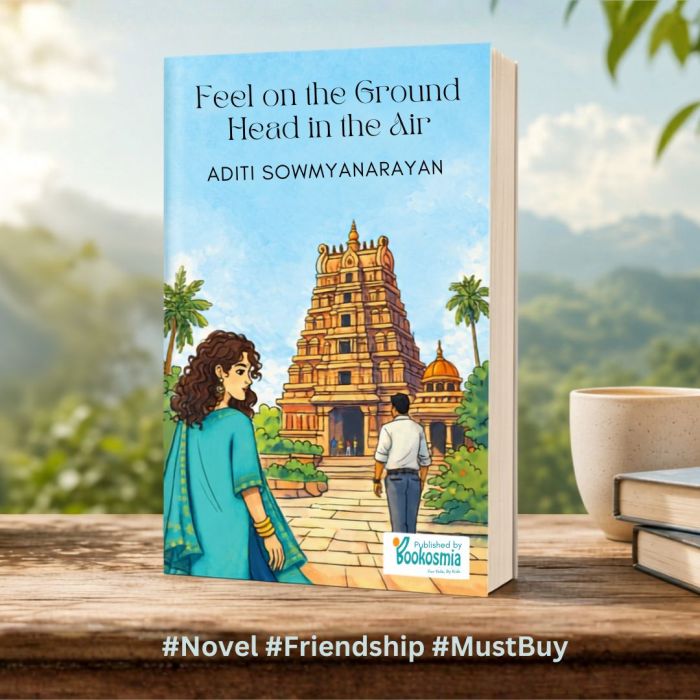
16.Where can you buy the books?
You can buy the books at Bookosmia.com and Amazon.in
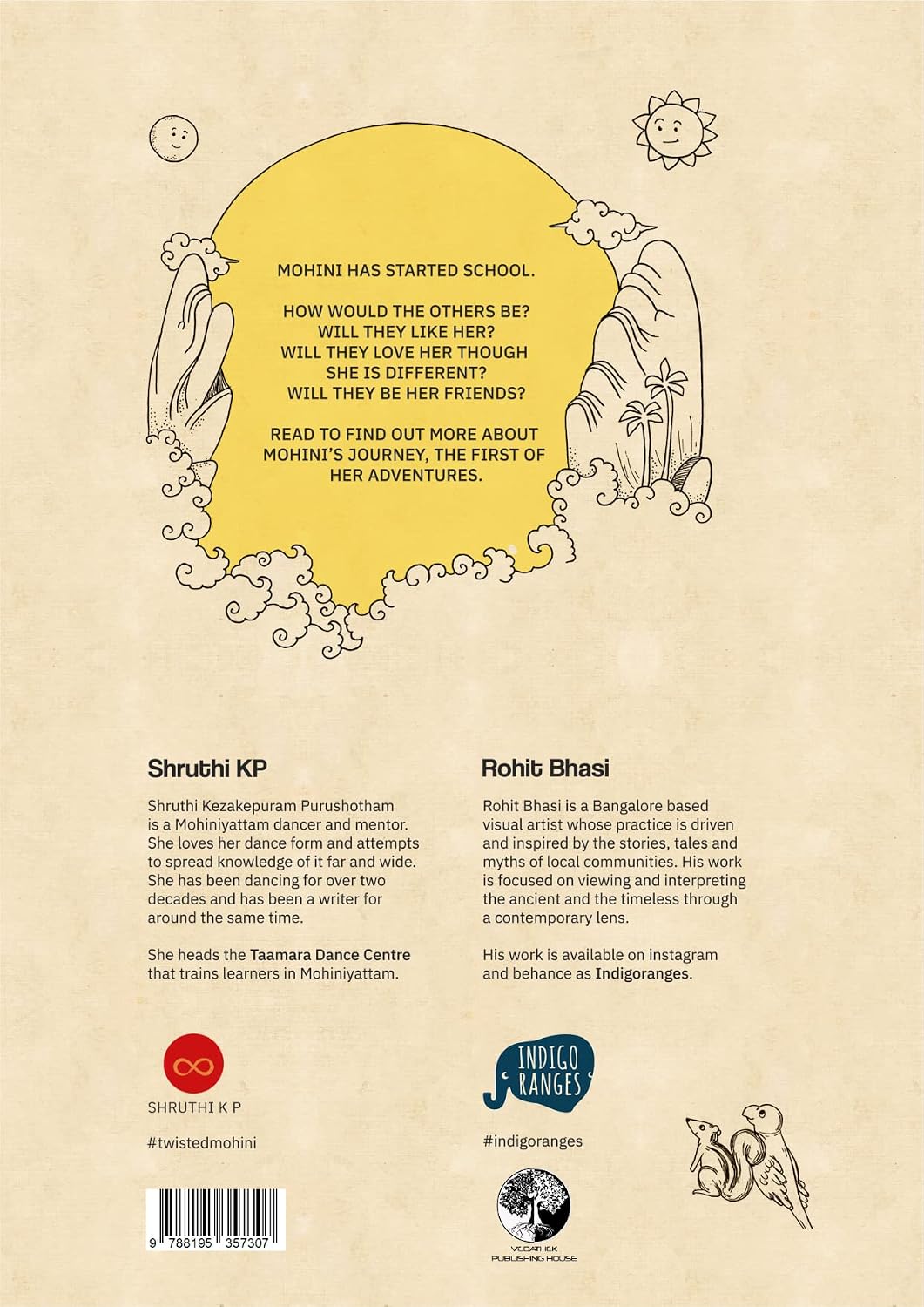
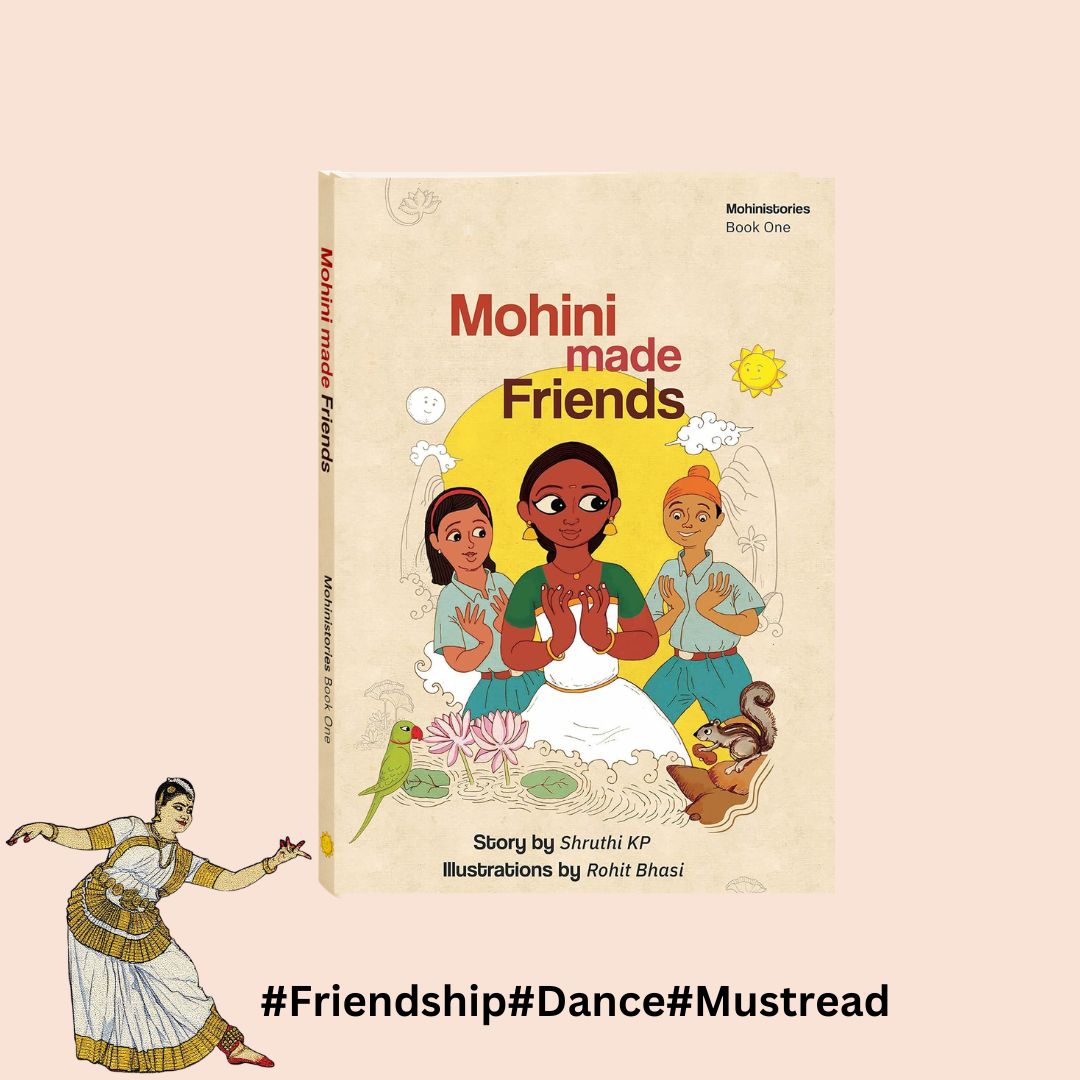
Mohini Made Friends I Children’s Book About Friendship and Dance
Follow Mohini, a little girl who communicates through dance and hand gestures. She is shunned as no one seems to understand her, but she finally finds the beautiful magic of friendship. The book is an attempt to bring children, and elders alike, to the captivating story of mohiniyattam through creative non-fiction. This book, Published by Bookosmai, celebrates the rich cultural heritage of Mohiniyattam and its journey from obscurity to recognition, with beige, black, and yellow illustrations representing the dance’s costume. All through a little girl and her simple world. Get your copy now and join Mohini on her enchanting journey! Authored by: Shruthi KP Illustrated by: Rohit Bhasi A4 size.

This article is published by Bookosmia, India’s #1 publisher for and by young people. Bookosmia publishes stories, books, podcasts, events, TED-Ed talks, workshops, bedtime stories and more related to kids and young adults.
Photo Credit – AI generated images from Chat GPT and Magic Media from Canva .
Want to publish your articles, reviews, stories, audio stories, bedtime stories and poems ?
Did you know that children can submit audio stories to be turned into Bedtime Stories and published on Bedtime Stories – A Podcast by Bookosmia?
Write to us at sara@bookosmia.com or submit your article at the link below
Get Published