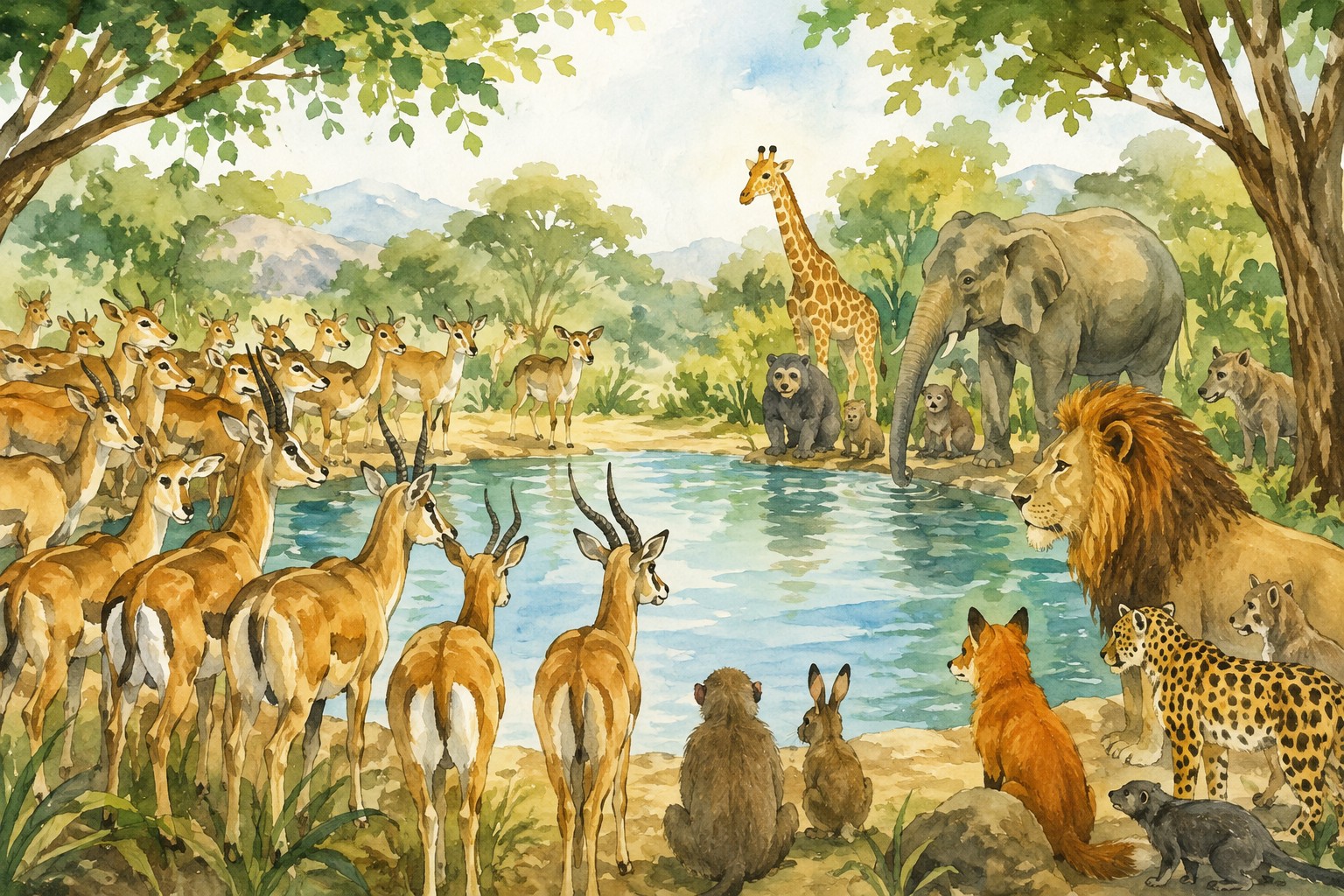
A herd of antelopes used to go to a watering hole and quench their thirst. They enjoyed and shared the resources of the jungle they lived in. The other animals were comparatively fewer in number than the antelopes. Usually, it was the antelopes who got, as others would say, the lion’s share. But this didn’t mean the others got only a pittance of the water. Even though everything seemed to be well and dandy in the jungle, the antelopes were secretly hated by everyone. They didn’t like the fact that the antelopes got more.
As tensions built up, so did the threat of conflict. The antelopes noticed this and started to take less and less water. But not everyone was okay with this. The antelopes started to feel less like a herd, but a collection of groups who just tolerated each other. Observing the palpable tension in the antelopes, the jungle collectively took a decision without the antelopes, to send in an enforcer of the laws of the watering hole. He would monitor who got how much and if anyone took a little too much, so a keen eye was maintained on who got more and who got less. The observer did a pretty good job because he was qualified: he knew the rules, could adjust or tweak them according to the needs, like, if an animal came tired after hunting, it was allowed to drink more water
But, to say this did not go over well with the antelopes would be an understatement. There was a fiery uproar as to why they were not a part of the decision making.” We follow the same rules as you, but aren’t they equal?” cried angry antelopes. To prevent the situation from going further out of hand, a meeting was called for where everyone could calmly discuss what to do next. The antelopes started first, expressing their sorrow about not being involved. They called the others out for not acknowledging them and only tolerating them, not considering them as equal members of the jungle. This was strongly refuted, as the animals stated slowly unravelling the whole discussion into an outlet for their complaints. “The watering hole isn’t yours to hog. We exist too!” “Well, we antelopes take as much as we need and don’t waste it like you.” “You’ve got to be joking. Ninety percent of the water goes to you, and we get the dirty leftovers.” “It’s water, what do you mean leftovers? And I thought it was for everyone to distribute proportionally. Antelopes make 70 percent of the jungle, so we naturally need more water.” Their arguments seemed never-ending, like a dog chasing its own tail to no avail.
The increasingly frustrated watering hole observer finally had his chance to speak, as he was considered the root of the problem by the antelopes. He went on to prove his innocence and how he was a passive soul, not doing much. After all the arguments were over and it seemed like they were going to go for each other’s throats, the judge banged his gavel so loud even the animals in the back could hear its echo emanating through the halls. “Today was a day of grief, intolerance, anguish and hatred. Though, on the surface, you act like brothers, deep down there is hate festering. In your souls. While the antelopes do get more water, they need it as they are the majority. But this does not mean they are absolved of crime; antelopes are seen nearly every day jumping in the watering hole and swimming through its crystal-clear water. Neither are they dirty, nor are they using the water carefully. It is impossible to expect no water to be wasted, but with the amount wasted now, it is safe to hope and act on the desire to reduce water wastage – not eradicate it completely but take a step in the right direction. The animals who engaged in decision making without the antelopes will face slaps on the wrist and the antelopes, who almost started a war without reason, their limit on water usage will be reduced for 2 weeks. May justice prevail!”
What is the main message of the story?
The story highlights the importance of fairness, communication, and responsible use of shared resources. It shows that misunderstandings and resentment can grow when people fail to listen to one another.
Why did the other animals dislike the antelopes?
The other animals believed the antelopes were taking more than their fair share of water, even though the antelopes were the largest group and naturally required more.
Why were the antelopes upset about the new observer?
The antelopes were not included in the decision to appoint the observer. They felt excluded from an important decision that affected them directly.
Was the observer unfair to the antelopes?
No. The observer’s role was to ensure that everyone followed the rules and to make reasonable adjustments when necessary. He acted as a neutral enforcer rather than taking sides.
What mistake did both the antelopes and the other animals make?
Both sides allowed assumptions, resentment, and poor communication to replace honest discussion. Neither group fully understood the other’s perspective.
Why did the judge criticize both sides?
The judge recognized that while the antelopes needed more water because they were the majority, they were also wasting water. At the same time, the other animals were wrong to make important decisions without including the antelopes.
What lesson does the story teach about shared resources?
Shared resources should be used responsibly and distributed fairly according to need. Everyone also deserves a voice in decisions that affect the community.
How does the story relate to real life?
The story reflects situations in schools, families, communities, and even countries where disagreements arise over fairness, representation, and limited resources. It encourages cooperation instead of conflict.
Why is water conservation an important theme in the story?
The story reminds readers that wasting natural resources affects everyone. Using water wisely is a shared responsibility, regardless of how much each person or group needs.
What can young readers learn from this story?
Young readers learn the value of empathy, teamwork, respectful communication, and making decisions together. They also understand that fairness means considering both equality and individual needs.
Where can you buy the books?
You can buy the books at Bookosmia.com and Amazon.in
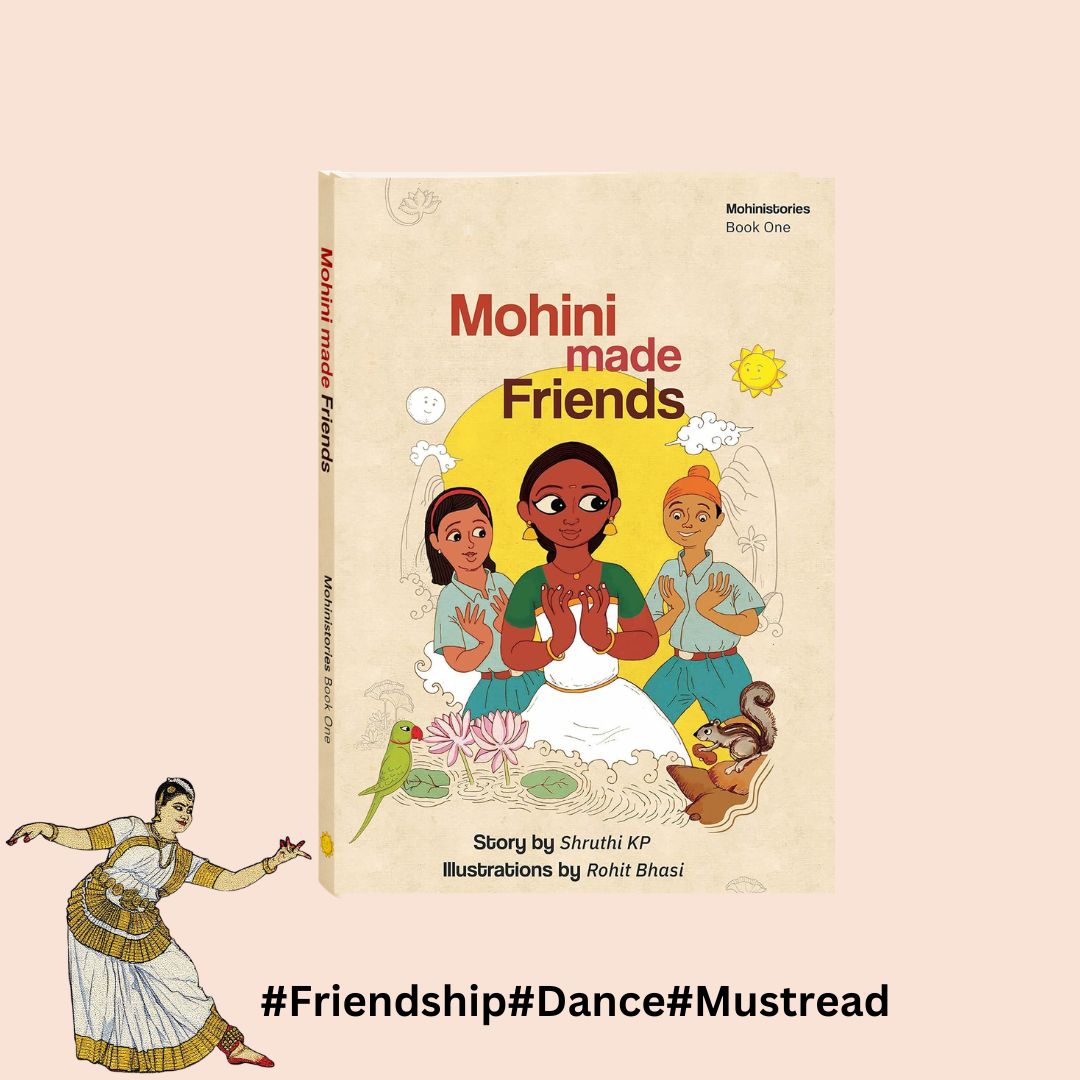
Mohini Made Friends I Children’s Book About Friendship and Dance
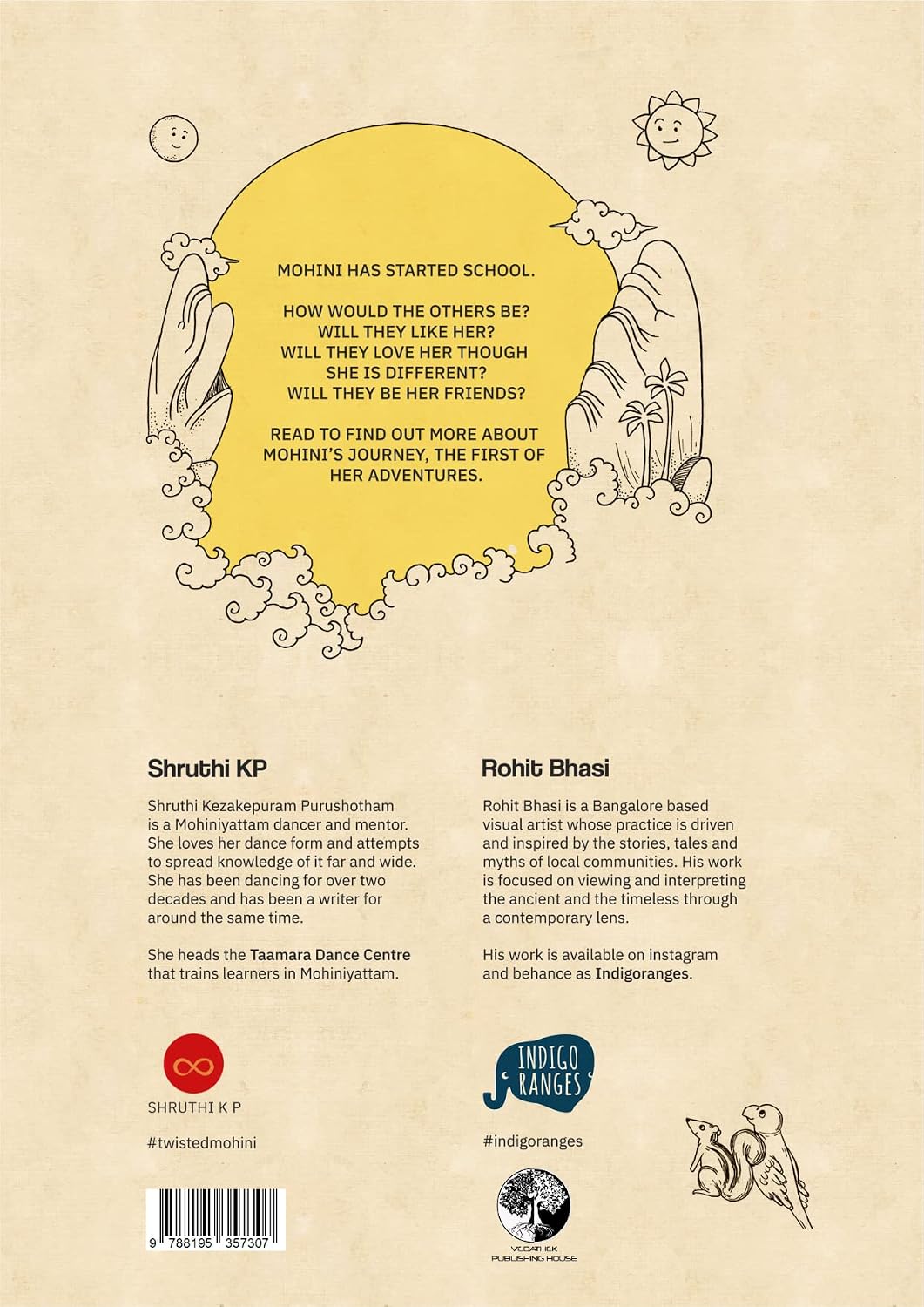
Follow Mohini, a little girl who communicates through dance and hand gestures. She is shunned as no one seems to understand her, but she finally finds the beautiful magic of friendship. The book is an attempt to bring children, and elders alike, to the captivating story of mohiniyattam through creative non-fiction. This book, Published by Bookosmai, celebrates the rich cultural heritage of Mohiniyattam and its journey from obscurity to recognition, with beige, black, and yellow illustrations representing the dance’s costume. All through a little girl and her simple world. Get your copy now and join Mohini on her enchanting journey! Authored by: Shruthi KP Illustrated by: Rohit Bhasi A4 size.

This article is published by Bookosmia, India’s #1 publisher for and by young people. Bookosmia publishes stories, books, podcasts, events, TED-Ed talks, workshops, bedtime stories and more related to kids and young adults.
Photo Credit – AI generated images from Chat GPT and Magic Media from Canva .
Want to publish your articles, reviews, stories, audio stories, bedtime stories and poems ?
Did you know that children can submit audio stories to be turned into Bedtime Stories and published on Bedtime Stories – A Podcast by Bookosmia?
Write to us at sara@bookosmia.com or submit your article at the link below
Get Published