Remember when being bored was normal?
You’d stare out of a car window, doodle in the margins of a notebook, or simply sit around complaining that there was “nothing to do.” Boredom wasn’t exciting, but it was a regular part of life. Today, however, boredom seems to be disappearing, and our phones have a lot to do with it.

Why is boredom considered beneficial?
Boredom gives our minds a chance to wander, reflect, and process thoughts without constant distractions. It can encourage creativity and self-awareness.
How does boredom help creativity?
When the brain is not focused on external stimulation, it often makes new connections between ideas, leading to creative thinking and problem-solving.
Has technology reduced boredom?
Yes. Smartphones, social media, and instant entertainment provide constant stimulation, making moments of boredom less common than they were in the past.
Is boredom harmful?
Occasional boredom is generally not harmful. In fact, it can be beneficial. However, prolonged boredom without meaningful activities may negatively affect mood and motivation.
What happens when we constantly avoid boredom?
Constantly seeking stimulation can reduce opportunities for reflection, imagination, and mental rest, potentially affecting creativity and focus.
How can I embrace boredom in a healthy way?
Try putting away your phone during short waiting periods, taking walks without distractions, or spending a few minutes simply observing your surroundings.
Does boredom improve mental well-being?
In moderation, yes. Quiet moments can help people process emotions, reflect on experiences, and gain clarity about their thoughts.
What is the main message of this article?
The article suggests that while technology offers many benefits, allowing ourselves occasional moments of boredom may help foster creativity, reflection, and a healthier relationship with our devices.
Where can you buy the books?
You can buy the books at Bookosmia and Amazon.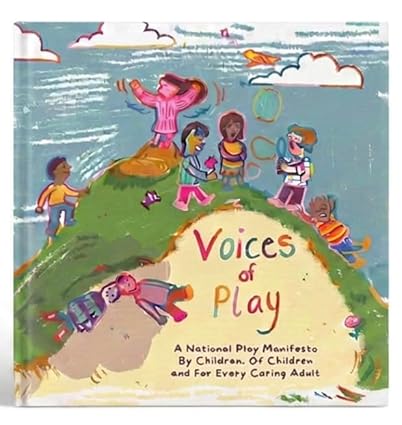
https://www.amazon.in/dp/816855552X
Voices of Play: A National Play Manifesto By Children, Of Children and For Every Caring Adult is a Bachpan Manao Collabaction by REACH India Collective, Shiksharth, and EkStep Foundation. Published by Bookosmia. Contributors: Deepika Mogilishetty, Ashish Shrivastava, Archana Mohan, Keren Sam, Samyuktha Udupa. Made possible by 22 partner organisations who captured the voices of over 4,000 children across 10 states. Does Play have a voice? What does Voices of Play mean? Across ten states and shaped by over 4,000 children, Voices of Play is a joyful window into the world of play told by children themselves. Brought to life with the support of 22 organisations, achored by Ek Step Foundation’s Bachpan Manao program, it gathers stories, games, and memories from anganwadis, community spaces, preschools, and classrooms—capturing a rich tapestry of childhoods and the worlds of play around us we may have never noticed before. With artwork recreated from children’s own drawings and moments captured from the field, this book, published proudly by Bookosmia (smell of books) is made with children, not just about them. Built on their trust, it celebrates play as imagination, memory, and a language that belongs to every child.
***
This article is published by Bookosmia, India’s #1 publisher for and by young people. Bookosmia publishes stories, books, podcasts, events, TED-Ed talks, workshops, bedtime stories and more related to kids and young adults.
Photo Credit – AI generated images from Chat GPT and Magic Media from Canva .
Want to publish your articles, reviews, stories, audio stories, bedtime stories and poems ?
Did you know that children can submit audio stories to be turned into Bedtime Stories and published on Bedtime Stories – A Podcast by Bookosmia?
Write to us at sara@bookosmia.com or submit your article at the link below
Get Published