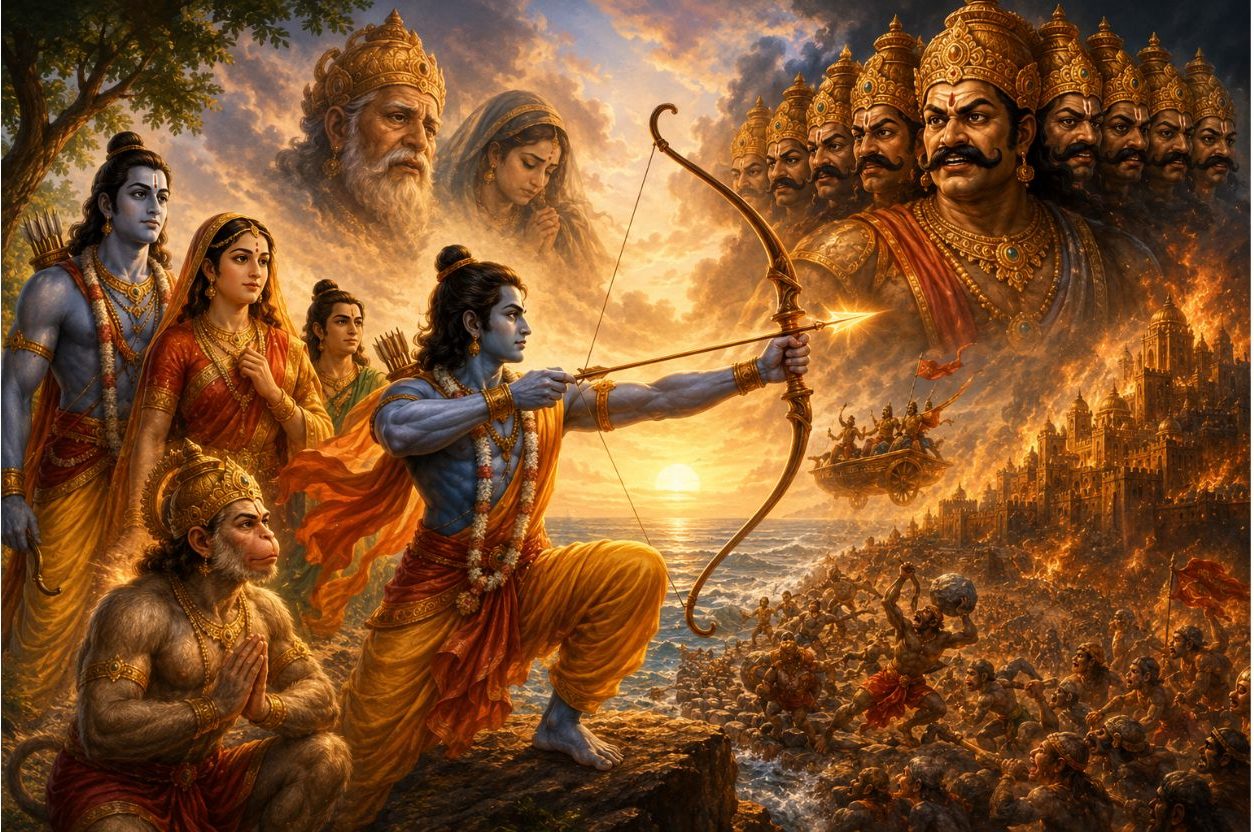
When the world was in distress,
When there was the outcry of demons,
When there was the attack of Ravana,
Lakshmi-Narayan took an incarnation.
When every deed was without duty,
Not even the name of dharma remained.
Then, ready to be born was Janak-daughter Sita,
On One side and Dashrath-son Ram on the other.
By breaking the bow, Ram won his Seeta,
But little did they know that the trouble was yet to come.
She, who he considered his mother,
Gave him 14 years of exile in the forest.
Now Ram , Siya ( Sita ) and Lakshman have set out for exile.
Facing many hardships, this forest eventually became their home.
In the grief of seperation from his son, Kimg Dashrath gave up his life,
But for destiny, even this sacrifice was not enough.
When Ravana’s sister Surpanakha, fell for Ram,
Laxshman’s arrow took away her nose.
She was not one to listen to anyone now;
The clouds of revenge had gathered over Lanka.
They ( the demons ) wove a web of deceit.
The plan was to trap Sita through the lure of a golden deer.
By the time they went to catch the deer, a commotion broke out behind them.
Ravana took Sita away, and their condition became miserble.
Hanuman, the devotee of Lord Rama, arrived,
And now Raghav ( Rama ) reached Lanka by building
A bridge over the water.
Even Ravana’s brother, Vibishana,
Came to seek refuge in Rama.
What was left then? Even the days of Ravana’s death
Had now drawn near.
But, Ravana’s son, Indrajit, was also powerful.
Lakshamana was scorched by his arrows.
But by bringing the Sanjeevani herb,
Hanuman saved his life.
Now the dance of death took place in Lanka.
Rama’s arrow struck Ravana.
Sita finally met Rama.
And everyone accepted that Rama alone was God.
And everyone accepted that Rama alone was God.
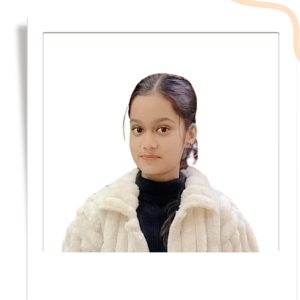
– Ashka Saxena
Hindi Translation
रामायण
मुश्किल में जब संसार था।
असुरों का जब हाहाकार था।
रावण का जब वार था।
लक्ष्मी नारायण ने लिया अवतार था।
बिन कर्तव्य का जब हर काम था।
न रह गया धर्म का कोई नाम था।
तो जन्म लेने को तैयार एक तरफ जनक
नंदिनी सीता और दूसरी तरफ दशरथ नंद राम था।
धनुष तोड़ राम ने पाया अपनी सीता को
पर संकट तो अब आने वाला था कहा पता
था उनको।
दे दिया उन्होंने ही चौदह वर्ष का वनवास
माँ माना था जिनको।
अब वनवास चले राम, सिया और लक्ष्मण।
कठिनाइयों का सामना कर वन ही गया
घर उनका ये बना।
पुत्र वियोग में राजा दशरथ ने दे दिए प्राण
पर नियति के लिए तो यह भी था कम।
रावण बहन शूर्पणखा का जब राम भा गया।
लक्ष्मण तीर उसकी नाक को ले गया।
अब तो कहाँ किसी की सुनने वाली थी।
अब तो प्रतिशोध के बादल लंका पे छा गए थे।
बना लिया उन्होंने एक जाल था।
स्वर्ण हिरण के मोह में सीता को फसाना चाल
था।
हिरण लेने गए तब तक हुआ पीछे एक बवाल था।
रावण ने गया सीता को और बुरा हो
गया उनका हाल था।
पर रामजी के भक्त हनुमान आ गए।
अब तो राघव पानी पे पुल बना लंका आ गए।
यहाँ तक रावण भाई विभीषण भी
राम के शरण में आ गए।
अब क्या था अब तो रावण के मृत्यु के दिन
भी निकट आ गए।
पर रावण पुत्र इंद्रजीत भी बलवान थे।
झुलस गए लक्ष्मण पर उनके बाण थे।
पर संजीवनी बूटी ला हनुमान ने बचा
लिए उनके प्राण थे।
अब तो लंका पे मृत्यु तांडव हुआ।
राम बाण रावण को छुआ।
सीता को मिल गए अपने राम थे।
और सबने मान लिया राम ही भगवान थे।
और सबने मान लिया राम ही भगवान थे।
जय श्री राम!!
— आशका सक्सेना
“रामायण” is a Hindi poem by Ashka Saxena that beautifully narrates the major events of the Ramayana, from the birth of Lord Rama to Ravana’s defeat and the triumph of righteousness.
The poem is written by Ashka Saxena.
The poem highlights:
The poem emphasizes that truth, righteousness (dharma), devotion, and courage always triumph over evil, reflecting the timeless values of the Ramayana.
Yes. The poem is written in simple Hindi, making it suitable for school students, young readers, and anyone interested in Indian mythology.
The poem includes several important characters from the Ramayana, including:
The poem uses rhyming verses and a narrative style to retell the Ramayana in a concise and engaging manner.
Readers can learn important values such as:
The Ramayana continues to inspire people with its timeless lessons on leadership, sacrifice, family values, integrity, compassion, and justice, making it relevant across generations.
This poem is ideal for:
You can buy books at Bookosmia.com and Amazon.
The Ramayana Guide To Practical Leadership | Ancient Case Studies, Modern Management Lessons
he Ramayana Guide to Practical Leadership approaches leadership through the original Valmiki Ramayana, reading it as a precise study of human decision making, responsibility, and conduct under pressure. Rather than treating the epic as a story or a source of moral instruction, the book examines specific situations as leadership case studies. Each chapter focuses on how leaders assess complexity, communicate intent, handle dissent, build trust, and act when outcomes are uncertain. The emphasis remains on behaviour, judgement, and accountability. Drawing on forty carefully selected episodes, structured as case studies, the book brings forward leadership lessons on communication, psychological safety, servant leadership, resilience, ethics, and strategic clarity. Sanskrit shlokas are presented with translation and context, allowing readers to engage with the original text without requiring prior familiarity. Written by a senior industry leader with decades of experience leading large, complex organisations, the book bridges Indian knowledge systems and modern leadership practice. It is designed for professionals, managers, students, and educators who want leadership insight that is grounded, applicable, and enduring. This is a guide for readers who want to think clearly, decide responsibly, and lead with purpose in real-world situations.
This article is published by Bookosmia, India’s #1 publisher for and by young people. Bookosmia publishes stories, books, podcasts, events, TED-Ed talks, workshops, bedtime stories and more related to kids and young adults.
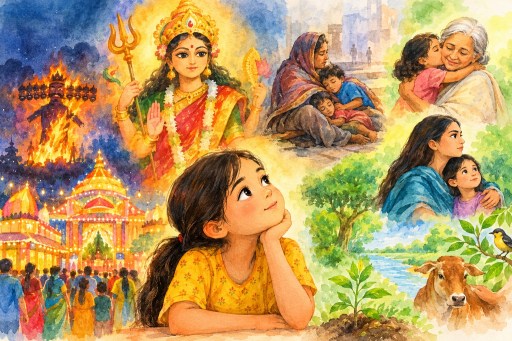
Photo Credit – AI generated images from Chat GPT and Magic Media from Canva .
Want to publish your articles, reviews, stories, audio stories, bedtime stories and poems ?
Did you know that children can submit audio stories to be turned into Bedtime Stories and published on Bedtime Stories – A Podcast by Bookosmia?
Write to us at sara@bookosmia.com or submit your article at the link below
Get Published
Bookosmia – India’s No. 1 Publisher For Kids, By Kids from 150+ locations worldwide.
Bookosmia is a safe and preferred destination for kids whether it is to read, listen, write or watch their favourite stories.