By Prisha Thakkar
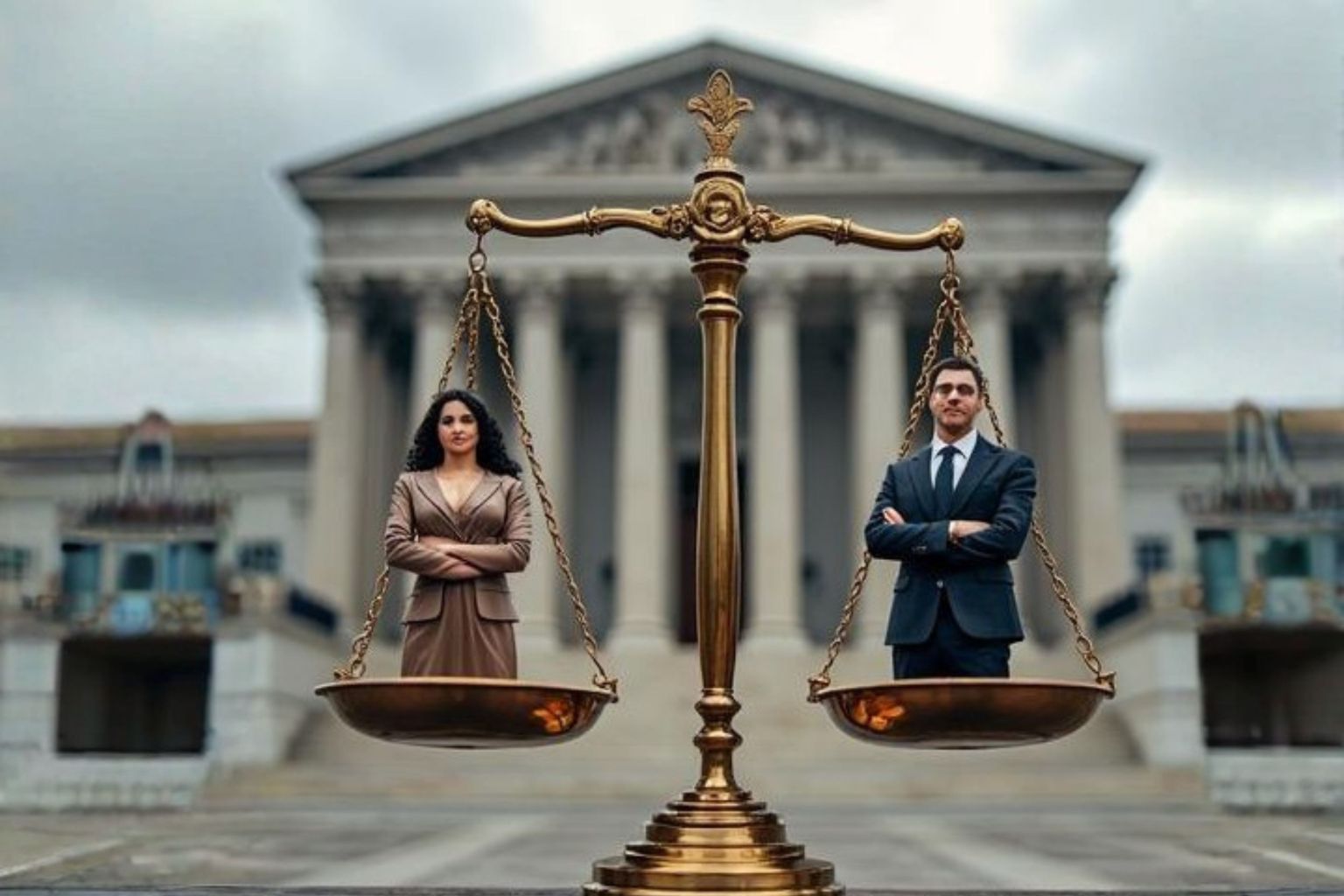
Have you ever wondered what really happens when someone is treated unfairly because of their gender? Gender equality is the fifth goal of the United Nations Sustainable Development Goals (SDG-5), and it focuses on making sure that everyone has the same rights and opportunities. To understand how this works in real life, I interviewed three lawyers: Hemang Shah, Pratik Thakkar, and Dharmista Songara. Their answers showed that gender inequality still exists, but they also gave hope that the legal system can help create change.
One of the most surprising things I learned was that all three lawyers had worked on cases where someone was treated unfairly because of their gender. This shows that gender discrimination is not just something we read about in books—it happens in real workplaces and communities.
When someone comes to a lawyer with a gender discrimination problem, the first step is gathering information and proof. The lawyers explained that they collect details, documents, and other evidence to understand exactly what happened. For example, comparing salaries between workers doing the same job can help show unfair treatment. Written messages, official notices, or electronic evidence can also be important in court.
However, solving these cases is not always quick or easy. Courts need strong proof before they can make a decision. The lawyers said that cases can take a long time because courts are busy and sometimes there isn’t enough clear evidence. If discrimination is only spoken about but not written down, it can be harder to prove.
Even with these challenges, the courts have helped make society more equal in many situations. The lawyers mentioned that the law supports equality and that judges often use these laws to protect people’s rights. In some memorable cases, workers were finally paid fair wages after being treated unfairly. In another case, a woman lost her job because she became pregnant, which showed how gender bias can affect real lives.
The lawyers also shared advice for people who feel they are being treated unfairly. Their message was simple: have patience and trust the justice system. They explained that change can take time, but it is possible when people speak up and bring their cases forward.
Another important point they raised is that many people still do not fully understand their rights. Without knowing the law, it can be harder for people to protect themselves from discrimination.
So what can young people do about gender equality? According to the lawyers, education is the key. Schools and families can teach values like fairness, respect, and equality. When children grow up understanding that everyone deserves equal treatment, the chances of discrimination happening in the future become smaller.
After listening to these interviews, one thing became clear to me: gender equality is not just a global goal—it is something that affects everyday lives. Lawyers, courts, schools, and young people all play a role in building a fairer world. If we learn about our rights and treat each other with respect, we can help make gender equality not just a goal, but a reality.

What is gender equality?
Gender equality means that all people, regardless of their gender, have the same rights, opportunities, and respect in society.
What is SDG-5?
SDG-5 is one of the United Nations Sustainable Development Goals that focuses on achieving gender equality and empowering all women and girls.
Why did the author interview lawyers?
The author interviewed lawyers to understand how gender equality works in real-life legal cases and how the justice system handles discrimination.
Does gender discrimination still exist today?
How do lawyers handle gender discrimination cases?
Lawyers gather evidence such as documents, salary comparisons, written messages, and other records to prove unfair treatment.
Yes, the lawyers confirmed that gender discrimination still occurs in workplaces and communities, even today.
Why are these cases difficult to solve?
These cases can take time because courts need strong proof, and sometimes there is not enough written evidence to support claims.
How has the legal system helped in promoting gender equality?
Courts have helped by ensuring fair wages, protecting employees’ rights, and taking action against discrimination in workplaces.
What advice do lawyers give to victims of discrimination?
They advise people to be patient, speak up, and trust the legal system to bring justice over time.
Why is awareness about legal rights important?
Without knowing their rights, people may not be able to recognize or fight against discrimination effectively.
What role can young people play in promoting gender equality?
Young people can promote equality by learning about their rights, respecting others, and spreading awareness about fairness and inclusion.
Where can I buy books?
You can buy the books at Bookosmia website and Amazon.in
A heartwarming wildlife story for kids aged 4+ about kindness, courage, and living in harmony with nature. Step into the vibrant landscapes of Africa in Akinyi and the Elephants, a beautifully illustrated picture book that introduces young readers to an important real-world challenge, how humans and animals can peacefully coexist. When elephants begin trampling her family’s crops, young Akinyi faces a difficult problem. Her family’s livelihood is at risk—but she has one powerful belief: The elephants must not be harmed. With empathy, curiosity, and determination, Akinyi sets out to find a solution that protects both her family and the animals she loves. Perfect for children ages 4+, this gentle and engaging story encourages young minds to think beyond quick reactions and explore thoughtful, compassionate solutions. Through Akinyi’s journey, children learn about kindness, environmental awareness, and the importance of respecting wildlife. Why this book stands out: A meaningful introduction to wildlife conservation for young children Encourages empathy, problem-solving, and emotional intelligence A culturally rich African setting that broadens young perspectives Beautiful, engaging illustrations that bring the story to life Perfect for:  Kids ages 4–8 who love animal stories Parents teaching empathy and kindness Early learners exploring nature and the environment Bedtime reading and classroom discussions Created by a globally experienced team, including an author with a background in energy and environment and a UN volunteer in Tanzania, and an illustrator who has worked with UNICEF and leading publishers, this book combines storytelling with real-world relevance. Published by Bookosmia, this book is more than just a story, it’s a gentle lesson in compassion, coexistence, and caring for our planet.
***
This article is published by Bookosmia, India’s #1 publisher for and by young people. Bookosmia publishes stories, books, podcasts, events, TED-Ed talks, workshops, bedtime stories and more related to kids and young adults.
Photo Credit – AI generated images from Chat GPT and Magic Media from Canva .
Want to publish your articles, reviews, stories, audio stories, bedtime stories and poems ?
Did you know that children can submit audio stories to be turned into Bedtime Stories and published on Bedtime Stories – A Podcast by Bookosmia?
Write to us at sara@bookosmia.com or submit your article at the link below
The Brilliant Adventure to Blackbuck National Park I Travelogue By Param