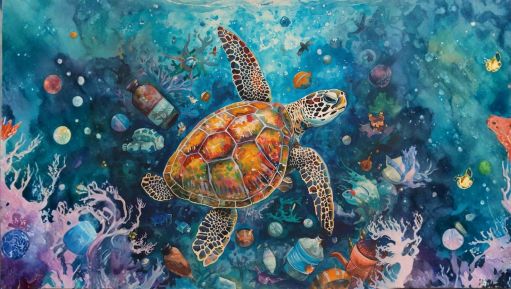
Have you ever watched a peacock dance, a deer graze, or a bird build its nest? All of these creatures are part of wildlife — animals, birds, insects, and plants that live freely in their natural homes like forests, oceans, rivers, and skies.
Protecting the wild means taking care of these plants and animals so they can live safely and happily, just like we do.
Wildlife conservation is like being a superhero — not with a cape, but with kindness, empathy, and responsibility.

Imagine a world without butterflies, tigers, sparrows, or even trees. It would be dull, unhealthy, and unbalanced. Why? Because flora (plants) and fauna (animals) work together to keep Earth healthy.
Plants and trees clean the air, give us oxygen, and even protect soil.
Animals help plants grow by spreading seeds, balancing nature, and keeping ecosystems strong.
Birds help control pests, pollinate flowers, and warn us of environmental changes.
When some animals or plants start disappearing, we call them endangered species. The IUCN Red List (International Union for Conservation of Nature) tells us which species are at risk — like the Asian Elephant, Tiger, Snow Leopard, Great Indian Bustard, and even some rare plants.
Endangered species are animals and plants that are in danger of disappearing forever. Some reasons include:
You don’t have to be a grown-up to help! Even kids can make a big difference.
Bookosmia promotes young writes to raise awareness about conservation and welfare of Wildlife. Here are few articles
Be Kind, Be An Animal Conservationist | A Yuktika, 12, Chennai
Be Kind, Be An Animal Conservationist | A Yuktika, 12, Chennai

From India to Africa and the Amazon rainforest, people are working hard to protect wildlife:
Wildlife Conservation is not just about saving plants and animals — it’s about safeguarding our future and keeping Earth a beautiful, balanced home for all living beings. When children learn to care for nature today, they become the kind and responsible protectors of tomorrow.
Readabout the Shenandoah National Park
The Breathtaking Adventure to Shenandoah National Park I Blog By Param, 12, Boston

This article is written by Reshma Joel, an engineer with an MBA, transitioned from a fulfilling HR career to follow her passion for writing. Now a freelance content writer and creative writing mentor, she inspires children to express themselves confidently. She teaches on kid-friendly platforms like Bookosmia and is the author of Nancy and the Dosa Cake, a heartwarming birthday story about love, surprises, and family.
It means protecting wild animals, plants, and their habitats so they can survive for generations.
It keeps ecosystems healthy, protects endangered species, and maintains the natural balance of the planet.
A species becomes endangered when its numbers drop so low that it risks extinction.
Habitat destruction, poaching, climate change, pollution, and human expansion are the biggest threats.
Rising temperatures, melting ice, and changing rainfall patterns disrupt migration, breeding, and food availability.
Poaching is the illegal hunting or capturing of animals, often for their skin, horns, or other body parts.
They provide safe spaces where animals can live, breed, and grow without threats from hunting or habitat loss.
Like
rajiv gandhi zoological park and wildlife research center,
Absolutely! Kids can protect nature by reducing waste, learning about animals, supporting conservation groups, and spreading awareness.
Biodiversity helps ecosystems stay strong and resilient, supporting everything from clean air to stable food chains.
Using less plastic, saving water, planting trees, recycling, and respecting nature all make a big difference.
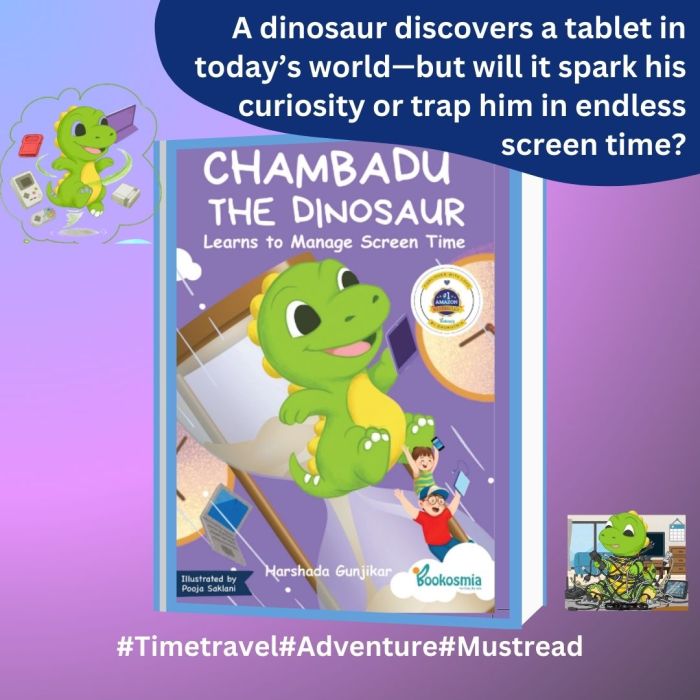
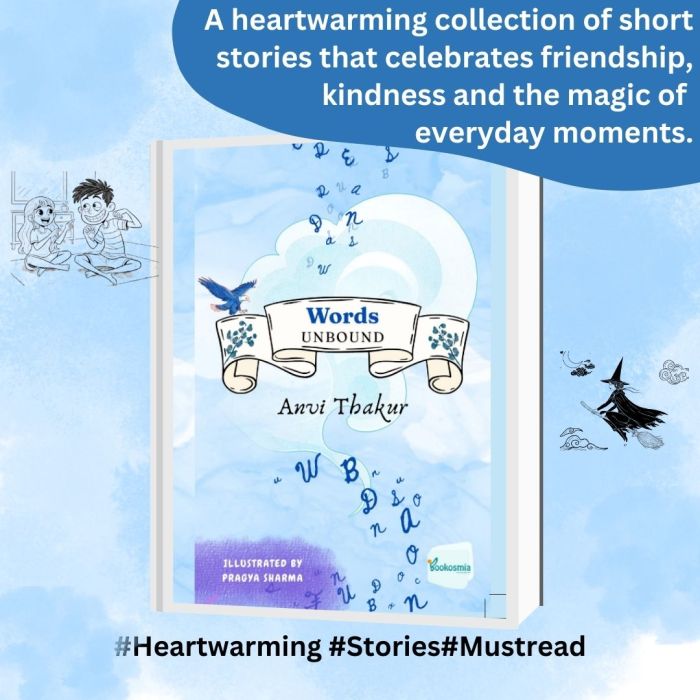
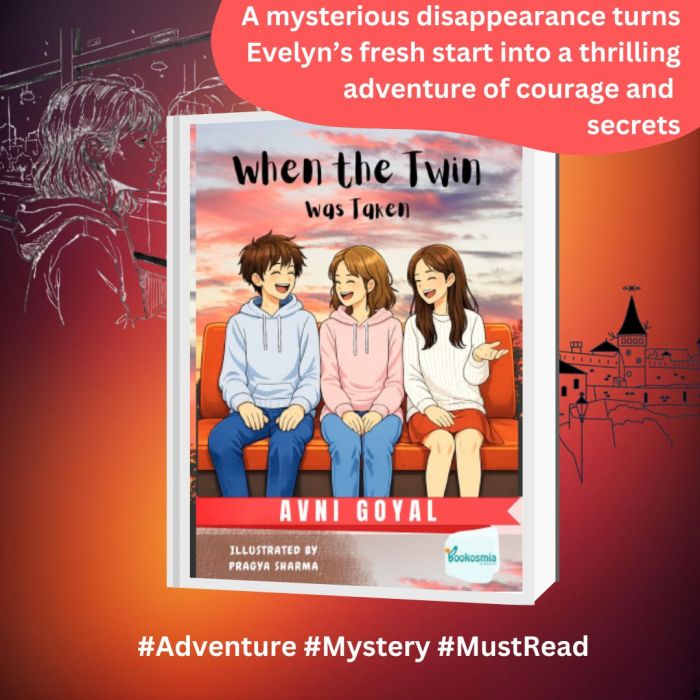
You can buy the books at Bookosmia website and Amazon. Here are few recommendations
Here are some books from Bookosmia that match the theme of nature, forests, mystery and fantasy — similar to your story.
Children’s Fantasy Book Set of 5: A bundle of five fantasy-adventure books for children (ages 6-9) including titles like The Lost Pixie and The Magical Dreamcatcher. Bookosmia
Cordelia: A Tale of Grace and Grit: An adventure book (age 7+) about a girl’s journey—while not forest-specific, it carries a mystical adventure tone. Bookosmia
A Magical Day At The Forest: A forest-based story (“The branches creaked… the leaves rustled…”) that evokes atmosphere and nature. Bookosmia
***
This article is published by Bookosmia, India’s #1 publisher for and by young people. Bookosmia publishes stories, books, podcasts, events, TED-Ed talks, workshops, bedtime stories and more related to kids and young adults.
Photo Credit – AI generated images from Chat GPT and Magic Media from Canva .
Want to publish your articles, reviews, stories, audio stories, bedtime stories and poems ?
Did you know that children can submit audio stories to be turned into Bedtime Stories and published on Bedtime Stories – A Podcast by Bookosmia?
Write to us at sara@bookosmia.com or submit your article at the link below
Read More
National parks in the US : Yellowstone and Everglades |By Param,10, Boston