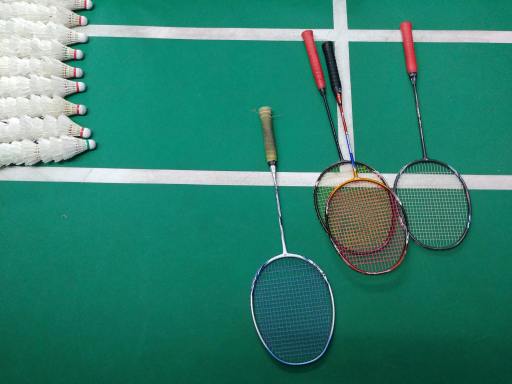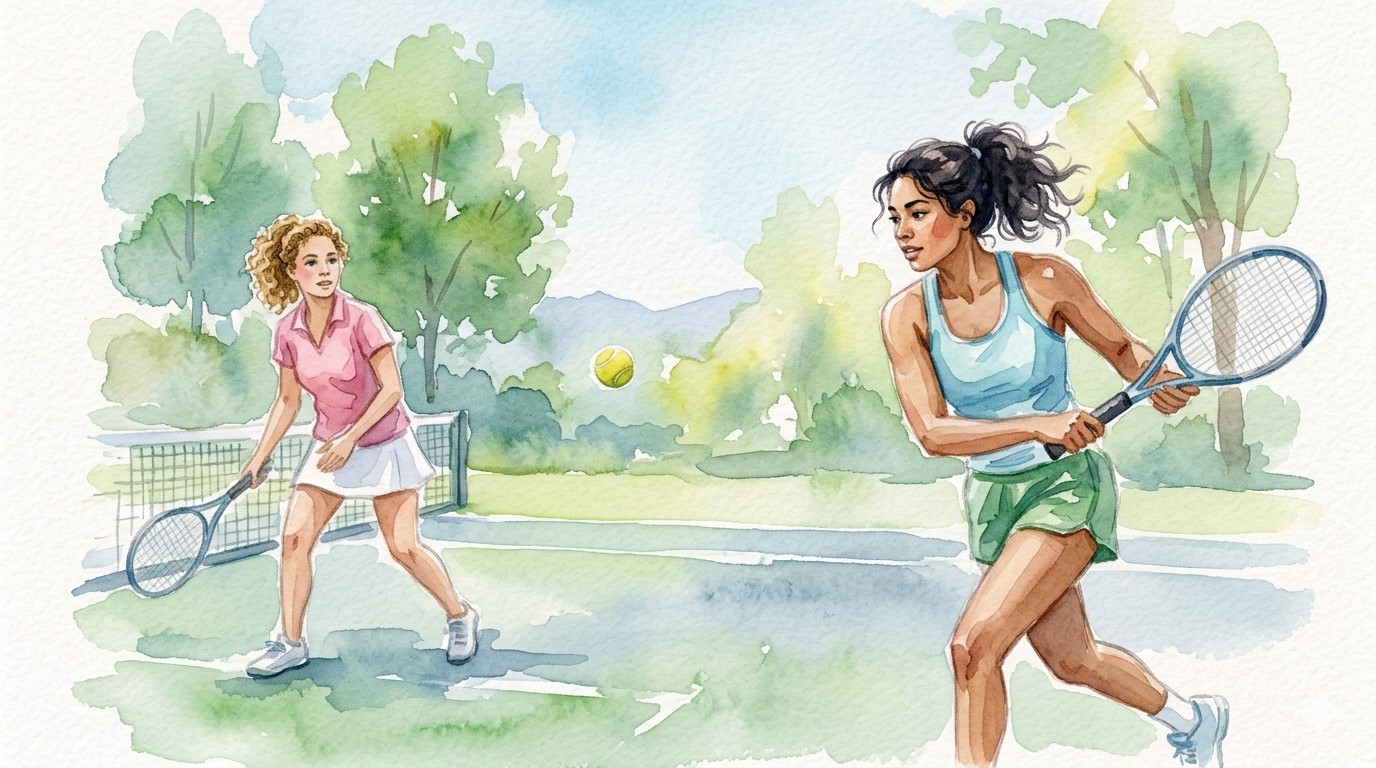
I joined a tennis class recently, and within a week I realised that for women sport is never just sport. Every missed shot feels like confirmation of a stereotype everyone already believes about you. Men around me casually joke about women being bad at sport, as if we all started from the exact same line and women just happened to fail naturally. But we did not.

Most beginner men I see on the court aren’t really beginners. They’ve spent their formative years playing cricket, badminton, football or some other sport. They already have developed skills like hand-eye coordination and spatial intelligence which enable them to just naturally pick up new sports. Most girls however don’t grow up with the same level of access. Then years later people point at a gap in skill and call it biology instead of conditioning.

I see this outside the court as well. The swimming pool I go to has a heavily skewed gender ratio. Men take up space without thinking twice, while women don’t. Men show up shirtless regardless of age or body type while women constantly negotiate with their appearance. Even in a space designed for physical movement women are conditioned to remain conscious of how they are perceived.
What frustrates me most is that women are often denied the right to be bad at sports. Men are allowed to learn publicly. Women are expected to either perform well immediately or quietly disappear. The fear of looking foolish becomes stronger than the desire to play.
And yet, despite all of this, more women are showing up. I see girls learning tennis in their late teens, women returning to swimming after years, women entering gyms despite being told they will look “too muscular.”
There is something deeply rebellious about women participating in sport without apologising for taking up physical space. I am still bad at tennis. I still miss shots I should be hitting easily. But I keep showing up. Maybe that is where change begins, not in perfection, but in refusing to leave spaces we were subtly taught did not belong to us in the first place.
This Article is written by Krisha Nijhawan.

Why do beginner men often seem “naturally” better at sports?
It’s rarely nature; it’s accumulated play. Most men grew up with high “physical literacy”—years of cricket, football, or catch that built the hand-eye coordination and spatial timing they now use to learn tennis quickly.
What is Playing on Unequal Grounds: Women and Sports about?
The article explores the hidden inequalities women face in sports, including gender stereotypes, lack of early exposure, body image pressures, and the fear of public failure.
Why do many women feel disadvantaged in sports?
Many women grow up with fewer opportunities to participate in sports compared to men, which affects confidence, coordination, and experience later in life.
How does social conditioning affect women in athletics?
Women are often taught to remain conscious of appearance, avoid taking up space, and fear embarrassment, making sports participation emotionally harder.
What stereotypes about women in sports are discussed?
The piece challenges the common stereotype that women are naturally worse at sports, arguing that unequal access and encouragement play a major role.
Why is public failure harder for women in sports?
Women are often expected to perform well immediately, while men are socially allowed to learn, fail, and improve openly.
What role does tennis play in the article?
Tennis becomes a lens through which the writer reflects on broader gender inequalities and personal experiences with learning sport as a woman.
How are women reclaiming space in sports today?
More women are joining gyms, learning sports later in life, returning to swimming, and participating in athletics without apologising for it.
What message does the article ultimately convey?
Real change begins when women continue showing up despite discomfort, stereotypes, and unequal conditions.
Who can relate to this article?
Women athletes, beginners in sports, feminists, students, coaches, and anyone interested in gender equality and social conditioning can connect with it.
Why is women’s participation in sports important?
Sports build confidence, independence, physical strength, and visibility, helping challenge long-standing gender norms in society.
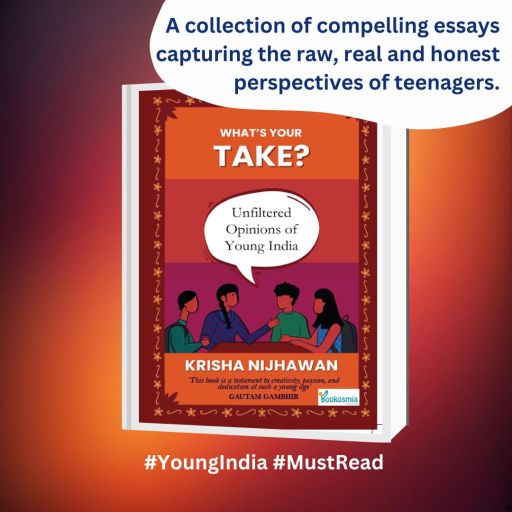
Where can I buy books?
You can buy the books at Bookosmia website and Amazon.in
***
This article is published by Bookosmia, India’s #1 publisher for and by young people. Bookosmia publishes stories, books, podcasts, events, TED-Ed talks, workshops, bedtime stories and more related to kids and young adults.
Photo Credit – AI generated images from Gemini, Chat GPT and Magic Media from Canva .
Want to publish your articles, reviews, stories, audio stories, bedtime stories and poems ?
Did you know that children can submit audio stories to be turned into Bedtime Stories and published on Bedtime Stories – A Podcast by Bookosmia?
Write to us at sara@bookosmia.com or submit your article at the link below
What makes a sportsperson? Parental support| Interview with Poonam Yadav’s coach