Festivals are like shining stars in our everyday life, they make our hearts happy, bring families together, and remind us of who we are and where we come from. In India, festivals celebrate not just fun and food, but also nature, seasons, traditions, and the hard work of farmers who grow the food on our plate. Makar Sankranti is one of the most joyful and meaningful festivals in India!
Makar Sankranti is a special festival that celebrates the movement of the Sun into the zodiac sign of Makara. This change starts a new season when the Sun begins its northward journey, also called Uttarayan bringing longer and warmer days after winter.
On this day, people thank the Sun and nature for food, light, warmth, and life, especially after months of farming and harvest. The festival is also tied to harvest cycles across India!
Makar Sankranti is celebrated:
Did you know that the same festival has many names in different parts of India? But all of them celebrate the same idea — thankfulness, harvest, and new beginnings!
Each name brings its own traditions, but they all celebrate nature’s rhythm!

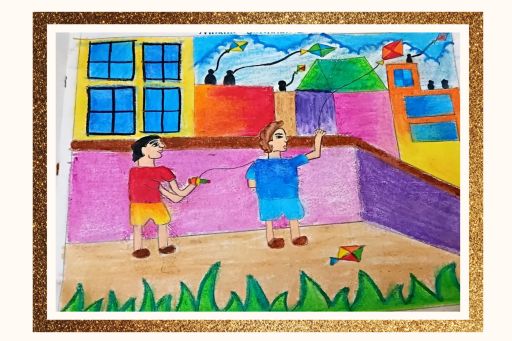
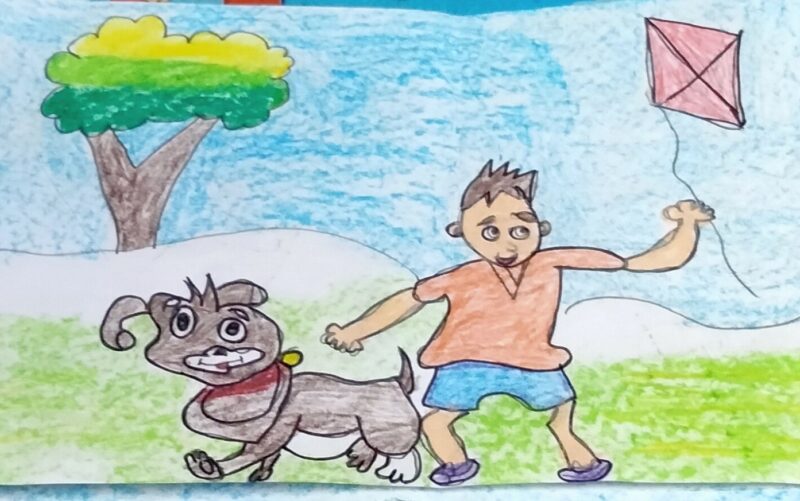
In places like Gujarat and northern India, people fly colourful kites high in the sky during Uttarayan. Rooftops become fun places where kids and grown-ups compete and laugh together!
Just like every festival has its favourite food, Makar Sankranti has special treats made from harvest foods like sesame seeds, jaggery, rice, and lentils!
Some of the popular festive foods are:
Each food not only tastes yummy, but also reminds us of nature’s gifts and warmth!

Families decorate homes, do rangoli (floor art), exchange gifts, give charity, and visit rivers for traditions like holy bath or prayers.
Learning about Makar Sankranti and other harvest festivals helps kids:
Note :This article is written by Reshma Joel, an engineer with an MBA, transitioned from a fulfilling HR career to follow her passion for writing. Now a freelance content writer and creative writing mentor, she inspires children to express themselves confidently. She teaches on kid-friendly platforms like Bookosmia and is the author of Nancy and the Dosa Cake, a heartwarming birthday story about love, surprises, and family.
What is Makar Sankranti?
Makar Sankranti is a harvest festival celebrated in India when the Sun moves into the zodiac sign Makara (Capricorn). It marks the beginning of longer and warmer days.
Why is Makar Sankranti important?
The festival is important because it celebrates the harvest season, thanks the Sun for energy and warmth, and marks the change of seasons from winter to spring.
Why do people fly kites on Makar Sankranti?
Flying kites is a fun tradition, especially in Gujarat and northern India. It celebrates the Sun’s movement and brings families and communities together.
What foods are eaten during Makar Sankranti?
People enjoy foods made from freshly harvested crops such as:
Til ladoo (sesame and jaggery)
Khichdi
Pongal
Til chikki and gur-based sweets
Why are sesame seeds and jaggery used?
Sesame seeds and jaggery keep the body warm during winter and symbolise sweetness, friendship, and good health.
Is Makar Sankranti a harvest festival?
Yes, it is a harvest festival that celebrates the hard work of farmers and the crops grown during the season.
What do families do on Makar Sankranti?
Families decorate homes, make rangoli, prepare special food, visit temples or rivers, share sweets, and give charity.
What can children learn from Makar Sankranti?
Children learn about seasons, farming, cultural traditions, unity in diversity, and gratitude towards nature.
How can you buy the books?
You can buy the books at Amazon and Bookosmia
Raju & The Runaway Calf | Children’s Illustrated Book

Step into the vibrant world of Pongal with Raju & the Runaway Calf, an inspiring children’s book by Archisha Sarath. When Raju, a boy with cerebral palsy, finds his beloved calf Laddoo missing during the festival, he sets off on a brave adventure that celebrates courage, inclusion, and the magic of Indian traditions. Filled with warmth and heart, this beautifully illustrated tale is perfect for young readers who love cultural stories, animals, and festivals.
Enjoy free shipping on orders above ₹500 across Bookosmia website —perfect for gifting or sharing!”
***
This article is published by Bookosmia, India’s #1 publisher for and by young people. Bookosmia publishes stories, books, podcasts, events, TED-Ed talks, workshops, bedtime stories and more related to kids and young adults.
Photo Credit – AI generated images from Chat GPT and Magic Media from Canva .
Want to publish your articles, reviews, stories, audio stories, bedtime stories and poems ?
Did you know that children can submit audio stories to be turned into Bedtime Stories and published on Bedtime Stories – A Podcast by Bookosmia?
Write to us at sara@bookosmia.com or submit your article at the link below
Read at Bookosmia