


Bird Watching : An Easy Guide
One can be a doctor, engineer, lawyer, finance professional, artist, or actor. Do you know that bird watching can be a profession too???
It can be an amazing hobby that can become a profession 😊
Let’s know how!!
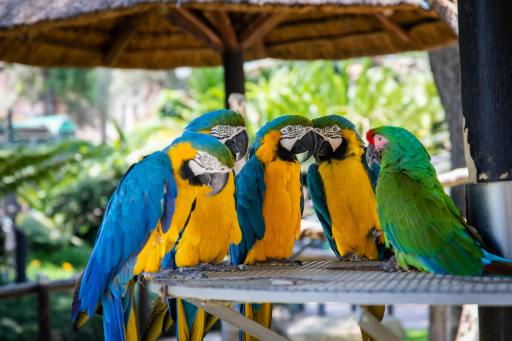
Birds won’t queue up for us. We have to go looking for them 😊
5 simple steps
Generally, we, the amazing and awesome children, should try & learn more about birds & raise our interest in them. If you’re not interested in birds, then bird watching just won’t seem fun at all. Why do something that isn’t fun? Right?
If you’re done with step 1 above ( “having interest “), try going around your house and practicing the above steps more often.
If you are thorough with this part, the rest is easy. In fact, that is all! Congratulations!! You have started your birdwatching era.
Few of you may have this question for me !
1: Is this hobby only for children ? Can elders Birdwatch along with us ?
I love to answer this…
Elders have a big role to play here.
With their guidance, children who are not as interested will slowly start doing it.

2. What is the right age to start Bird Watching?
Children who are 8 years and older will probably understand the never-ending fun of birdwatching more than others.
Harish Kumar Sir, a senior birder and a naturalist, mentions that 8 years and above are best formative years to start bird watching.
3.Why Can’t a much younger child do this activity ?
This is not a law as immutable as gravity. Lower-aged children might find it fun as well. So, try it out.
4.Why specifically 8 yrs and above?
Well, younger kids tend to get really excited. They may start shouting in excitement when they see a bird. Even the slightest noise can scare birds away. Quietness is ultimately the most important thing one should practice when birdwatching.
Also, younger kids may not be able to walk in the sun for long too.
Now, let’s look at the things we are supposed to have during bird walks.
5.How to prepare for bird watching !!
One has to plan before as to how to reach the venue.
What to Wear ?
What to Carry Along?
I would like to add that
1. You can get anything else you may feel is necessary.
2. Avoid using plastic water bottles.

6. Is It a must for children to carry their own binoculars and camera?
Children can always borrow binoculars and a camera from a senior birder. After many bird walks, we can decide on buying what is appropriate for our age.
But always remember, if you already have binoculars, always look for a bird without it, as it is easier to do so. Use the binoculars to get a closer look at the bird to identify it.
7.Do’s and Don’ts of Bird Watching
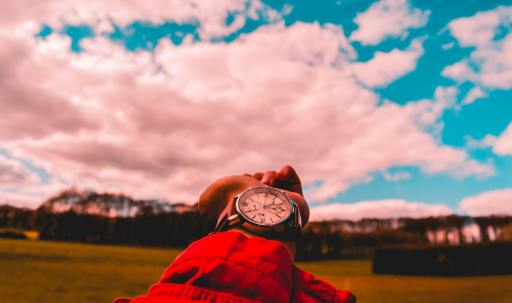
8.At What time the Bird watching usually starts?
Usually, it starts at 7:30 a.m. and happens till 9:00 a.m.
Some members also arrive much earlier.
The bird watching can be done anytime throughout the day; however, morning hours are more suitable as there are more rare species to see during dawn.
For example, the night heron only comes out at night and you can get to see it if you start bird watching at dawn.
9.How do birders come together on a given day ?
Details on the location will be shared days before.
All the interested members will have to assemble at a given time and place.
10. What Ideally happens during Bird Walks ?
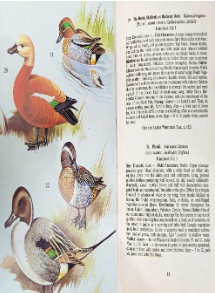

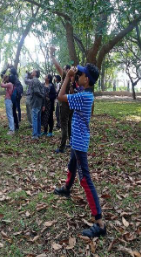
If the group is large, it will be divided into smaller groups. Each group will be led by a senior birder who will help locate birds around.
The head of the group will adjust the binoculars for clear vision and allow all the rest to have a look.
The head of the group will tell out the position of the bird so that the fellow birders can also locate it with their naked eyes and then with binoculars.
The head of the group will further explain the features and give details on how the bird sounds, whether it is a local bird or migratory, whether a male or female, etc.

11.What Happens Next?
The groups move at a slow-to-moderate pace, helping one another locate not only our feathered friends but discussing the flora, insects, and trees as well. If we are lucky, we may be able to see nests too.
12.Can any person who has come on a morning walk and is not a part of the group join the bird watching group?
Anyone who finds this interesting can join the group. Why not???
13.What happens once the bird watching gets concluded ?
Usually, most members will be there for that 1 hour 30 minutes of bird watching.
After that, they usually head to a nearby restaurant for breakfast and disperse from there.
Few members will return back to the location and will continue bird watching as long as their time allows.
14.Is It Compulsory to bird watch for 1 hour 30 minutes? Can a member leave early?
It’s not compulsory. The members are free to leave as per their convenience. Trust me, it is such an enjoyable activity that no one wants to go any earlier.
15. Which day of the week does this happen?
Every Sunday.
16.Does the bird watching happen in the same location on all sundays?
No, each Sunday, a different location will be chosen. The locations are usually chosen around lakes and water bodies.
17.What activities can one start with, after bird watching?
Bird Journaling
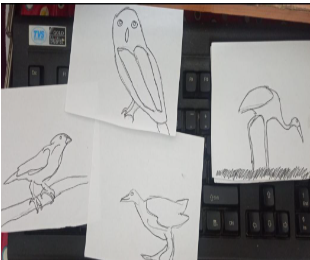
Once you come back home, you can do journaling of birds. You can maintain a notebook for the same. Draw pictures of birds that you saw, color them, and write something about them.
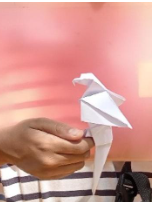
Origami of Birds : This is the most exciting activity.
18.Are there any apps to identify birds ?
There are
We can share a finding or upload a picture of a bird, an insect, a plant, etc., and experts will help identify them.
These apps help in immediate bird identification.
19.Do we have to pay any fee towards this?
No. Only interest matters 😊
20.Do you know who is the “Bird Man” of India?
Mr. Salim Ali is referred to as “ Birdman of India?” He is a very well-known Indian ornithologist and naturalist.
A Proud Secret !!
20.How does bird watching help children as a hobby?
Travel far and wide. Birds are everywhere.
So, when are you going to start bird watching? Please let me know in the comments 😊
It was my grandfather, Mr. Shankarappa, whom I fondly called “thatha,” who introduced me to birds and nature.
I am thankful to Harish Kumar Sir, J N Prasad Sir, and Ullas Anand Sir, who always make my bird watching very interesting.
I am thankful to Raghavendra Sir, who organizes bird walks and workshops for children.
Read it all in my next blog
see you there……
This is  signing off 😊
***
Photo Credit – Copyright Free, Royalty Free images from Pexels
Pics : Eshaan’s Gallery



One Response
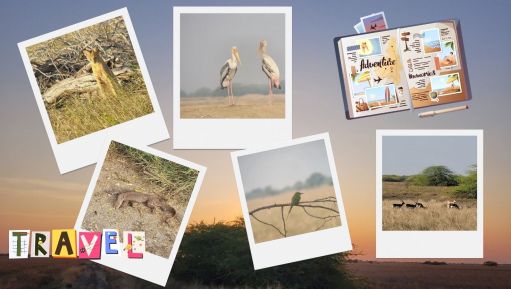
The bird watching journal displayed belongs and it’s maintained by my sister, not me.