Moon: The Underestimated Beauty I Essay By Falaq
“Moon never belongs to anyone,
Does the moon belong to anyone?”
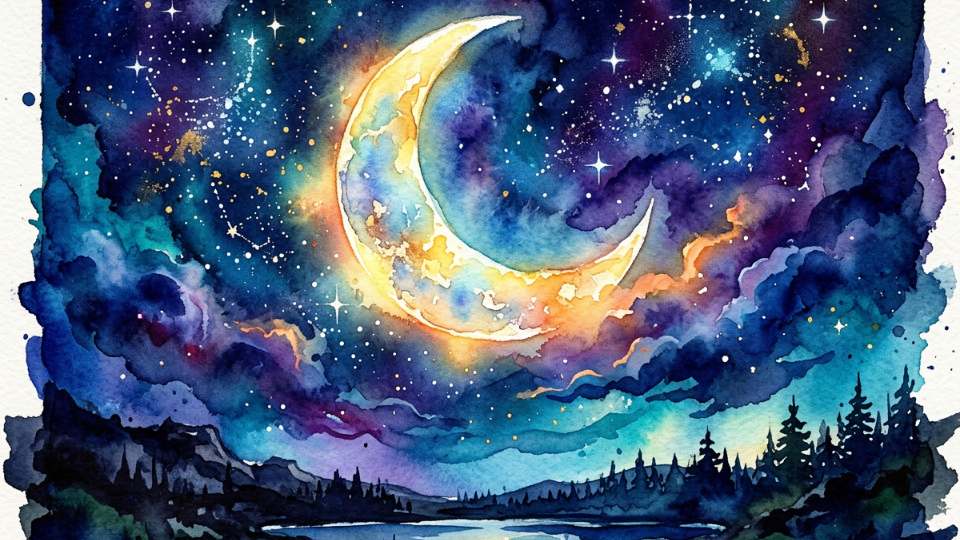
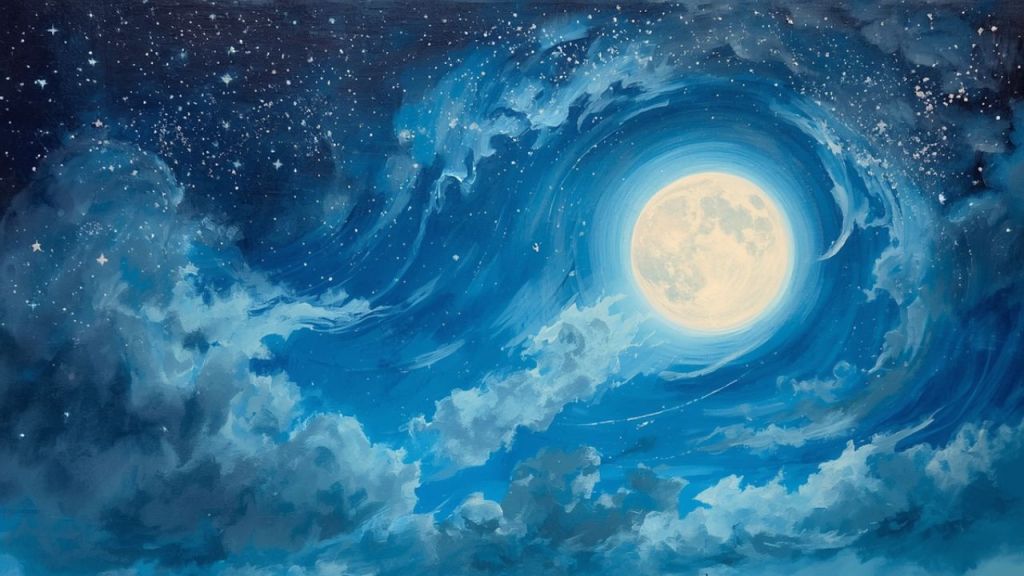
If a scar or blemish doesn’t look good on a face, then how does a scar look so beautiful on the moon? It looks incredibly stunning and captivating, doesn’t it? One could stare at the moon for hours without getting tired. The moon is the perfect companion of the dark.
Even the name “Moon” itself carries a sense of love. Look at the sky—there are stars and there is the sun too, but they don’t usually become someone’s name, whereas “Moon” (Chand) is often used as a name. Everyone agrees that the real beauty of the night sky lies in the stars, but to me, its true beauty resides in the moon.
The moon takes the responsibility of wiping away the darkness of the entire world upon itself. Yet, in return for this service, it doesn’t even ask for its scars to be removed. In fact, those scars are its beauty spots. It appears differently every time—sometimes half, sometimes full, and sometimes it hides away completely. Yet, everyone knows it is beautiful.
I agree that nature has many beautiful sights—like sunrises, sunsets, and bright blue skies—but the moon is the most beautiful. It proves that being alone can be incredibly elegant.
What is “Moon: The Underestimated Beauty” about?
The piece is a reflective essay that celebrates the moon’s unique beauty, its comforting presence in the night sky, and the message that imperfections can be beautiful.
What is the central theme of the essay?
The main themes are beauty in imperfection, self-acceptance, solitude, nature, and appreciating what is often overlooked.
Why does the author call the moon “underestimated”?
The author believes that while people often admire stars, sunrises, and sunsets, the moon’s quiet beauty and symbolism deserve even greater appreciation.
What do the moon’s scars symbolize?
The moon’s scars symbolize that imperfections do not diminish beauty. Instead, they add character, uniqueness, and strength.
Why does the author compare the moon with a human face?
The comparison highlights how people often view scars as flaws on humans, yet admire the moon despite—or because of—its visible marks, encouraging readers to rethink conventional ideas of beauty.
What message does the essay convey about being alone?
The essay suggests that solitude is not something to fear. Like the moon shining alone in the night sky, being alone can be peaceful, graceful, and beautiful.
Why is the moon considered a symbol of comfort?
The moon lights up the darkness, offering hope, calmness, and reassurance during the night, making it a comforting presence for many people.
Who would enjoy reading this essay?
This essay is ideal for readers who enjoy nature writing, philosophical reflections, and inspirational pieces about beauty, self-worth, and the natural world.
What literary devices are used in the essay?
The essay uses rhetorical questions, personification, symbolism, imagery, comparison, and descriptive language to express its ideas.
What lesson can readers learn from “Moon: The Underestimated Beauty”?
Readers are encouraged to appreciate imperfections, embrace their individuality, find beauty in solitude, and recognize that true beauty often lies beyond outward appearances.
Where can you buy books?
You can buy books at Bookosmia.com and Amazon.
https://www.amazon.in/dp/816855552X
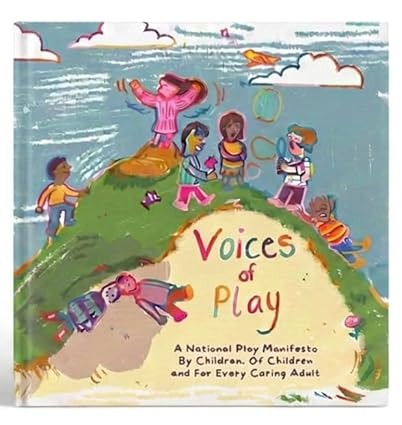
Voices of Play: A National Play Manifesto By Children, Of Children and For Every Caring Adult is a Bachpan Manao Collaboration by REACH India Collective, Shiksharth, and EkStep Foundation. Published by Bookosmia. Contributors: Deepika Mogilishetty, Ashish Shrivastava, Archana Mohan, Keren Sam, Samyuktha Udupa. Made possible by 22 partner organisations who captured the voices of over 4,000 children across 10 states. Does Play have a voice? What does Voices of Play mean? Across ten states and shaped by over 4,000 children, Voices of Play is a joyful window into the world of play told by children themselves. Brought to life with the support of 22 organisations, anchored by Ek Step Foundation’s Bachpan Manao program, it gathers stories, games, and memories from anganwadis, community spaces, preschools, and classrooms—capturing a rich tapestry of childhoods and the worlds of play around us we may have never noticed before. With artwork recreated from children’s own drawings and moments captured from the field, this book, published proudly by Bookosmia (smell of books) is made with children, not just about them. Built on their trust, it celebrates play as imagination, memory, and a language that belongs to every child.
This article is published by Bookosmia, India’s #1 publisher for and by young people. Bookosmia publishes stories, books, podcasts, events, TED-Ed talks, workshops, bedtime stories and more related to kids and young adults.
Photo Credit – AI generated images from Chat GPT and Magic Media from Canva .
Want to publish your articles, reviews, stories, audio stories, bedtime stories and poems ?
Did you know that children can submit audio stories to be turned into Bedtime Stories and published on Bedtime Stories – A Podcast by Bookosmia?
Write to us at sara@bookosmia.com or submit your article at the link below
Get Published