
Time is precious, use it wisely,
you can do anything nicely.
Invest your time,
Even to rhyme.
You can do anything, whatever you want,
What ever you do just don’t taunt.
Whatever you’re doing keep it up,
Just make sure you don’t break a cup.
You can study, play and even eat,
You can also sing and dance to the beat.
Be creative and do what you love,
and see some birds like the dove.
Just use your time in being productive,
Do some interesting things and be active.
Be yourself and do your best,
You can even beat the rest.
– Kanav Sharma
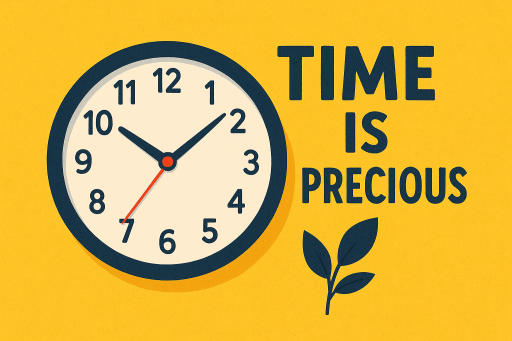
When I wrote my poem “Time”, I wanted to capture something that every single person in this world experiences equally yet values differently—the passage of time. Time is one of the most powerful forces in our lives. It moves forward without stopping, and no matter who we are—rich or poor, young or old—we all have the same 24 hours in a day. What makes us different is how we choose to use those hours. My poem is my attempt to remind myself, and others, that time is not just something that passes; it is a gift, a resource, and an opportunity.
The very first line of the poem “Time is precious, use it wisely” is the foundation of the idea. Calling time “precious” means it has great value, just like gold, diamonds, or any other treasure. But unlike material treasures, time is something you can never get back once it’s gone. If I waste a coin, I can earn another one. But if I waste an hour, that hour will never return. This realization is what inspired me to write the poem in the first place.
I also wrote, “you can do anything nicely. Invest your time, even to rhyme.” These lines carry two important messages. The first is that if you put effort into how you use your time, you can do almost anything well. Every skill, talent, or achievement in the world is possible when someone invests time into learning and practicing it. The second message is that even small things, like writing rhymes or poems, are worthy investments of time if they bring joy, creativity, and growth. To me, time is not just about serious work; it is also about nurturing the things that make us happy and human.
As the poem goes on, I remind the reader, “Whatever you’re doing, keep it up, just make sure you don’t break a cup.” This line may sound humorous and light-hearted, but it has a deeper meaning. It is about responsibility and care. Whatever task we choose to spend time on, we should do it wholeheartedly, carefully, and with respect. Just as breaking a cup is a small accident that could have been avoided with a little more attention, wasting time is also something that can be prevented if we stay mindful.
Another section of the poem talks about different ways to spend time: studying, playing, eating, singing, and dancing. I included these examples because I believe balance is key in life. Too much studying without relaxation can cause stress. Too much play without learning can hold us back from achieving our goals. Time allows us to balance these parts of life—learning, enjoying, nourishing our bodies, and expressing ourselves. I even mention watching birds, like doves, because nature too is a way of using time wisely. Observing nature can teach us patience, peace, and perspective.
One of the most important lines, for me, is: “Just use your time in being productive, do some interesting things and be active.” Productivity here does not mean working like a machine every second. It means choosing activities that make you grow as a person—mentally, physically, or emotionally. It means avoiding wasting time on things that do not help you in any way. Being active is not only about physical activity, but also about being mentally alert, engaged, and curious. If we keep our minds and bodies active, our time naturally becomes more valuable.
Toward the end, I wrote: “Be yourself and do your best, you can even beat the rest.” These lines are about self-confidence and individuality. Many times, people waste time comparing themselves to others. They worry about what someone else is achieving instead of focusing on their own path. But if we focus on ourselves, stay true to who we are, and give our best effort, we will naturally succeed. Success here doesn’t always mean beating others in competition—it can also mean beating your own doubts, fears, and limitations.
Looking back, I realize that my poem “Time” is not just advice to others it is also advice to myself. As a student and a growing learner, I often face situations where I have to choose between wasting time or using it wisely. For example, when preparing for competitions like chess tournaments, GK Olympiads, or math exams, I know that every hour I spend practicing or revising will make me sharper. At the same time, I also remind myself that relaxing, playing, or spending time with family is equally important. My poem reflects my belief that a well-spent life is one where time is balanced between learning, enjoyment, rest, and creativity.
If I had to sum up the message of the poem in one thought, it would be this: time is life itself. To waste time is to waste life. To use time wisely is to make life meaningful. Every moment is a chance to do something valuable, whether it is learning a new skill, creating something beautiful, spending time with loved ones, or simply being kind.
Another reason I feel strongly about writing on this topic is because I have seen how easy it is for people to lose track of time in today’s world. With phones, games, and endless distractions, hours slip by without notice. My poem is a gentle reminder that while it is okay to relax and have fun, we must also keep track of how we spend our precious minutes. The choice between wasting time and using it wisely is one we make every single day.
Time” is the continuous flow of moments in which events happen — from the past, through the present, and into the future.
AM and PM are used to tell time in the 12-hour clock system, which divides the day into two parts of 12 hours each.
AM stands for “Ante Meridiem” — a Latin phrase meaning “before midday.”
🕒 It covers the time from midnight (12:00 AM) to just before noon (11:59 AM).
PM stands for “Post Meridiem” — meaning “after midday.”
🕕 It covers the time from noon (12:00 PM) to just before midnight (11:59 PM).
The poem “Time” is written by Kanav Sharma, a young poet who shares a meaningful message about valuing time and using it wisely.
The main theme of the poem is the importance of time. It reminds readers that time is precious and should be used for positive, creative, and productive activities.
Kanav encourages everyone to make the most of their time — to study, play, create, and enjoy life — while staying kind, motivated, and responsible.
The poet describes time as something powerful that allows us to do anything we wish, from learning to dancing. The poem suggests we should invest time wisely and avoid wasting it.
The tone of the poem is cheerful, encouraging, and motivational. It inspires readers to stay active, be themselves, and make every moment count.
The title “Time” perfectly reflects the poem’s focus — teaching us that time, once gone, never returns, so we must use it meaningfully.
Readers learn that time management and positivity can lead to success. The poem encourages self-belief, creativity, and making each day worthwhile.
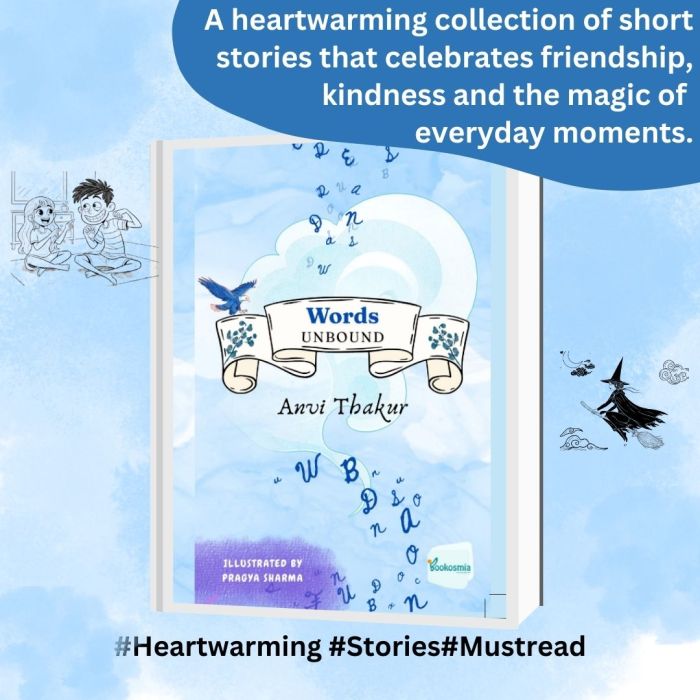
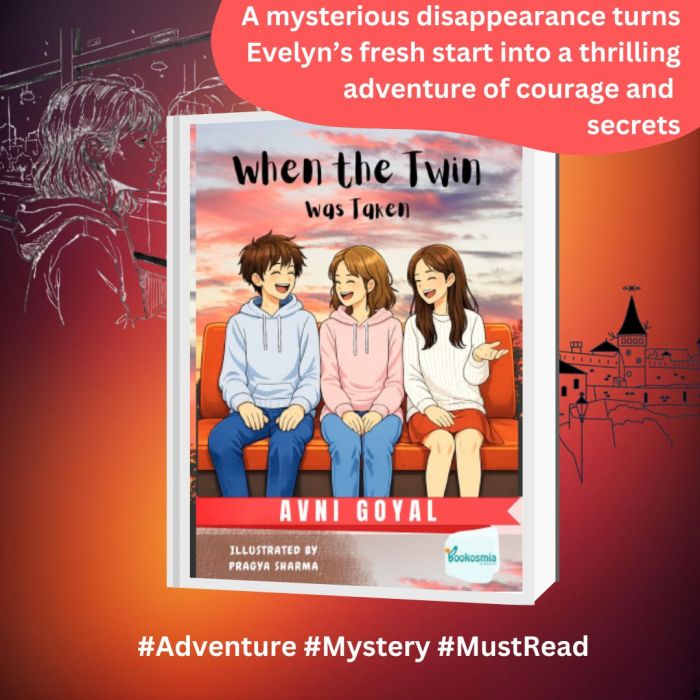
You can buy books published by Bookosmia in Shop section of the website and Amazon.
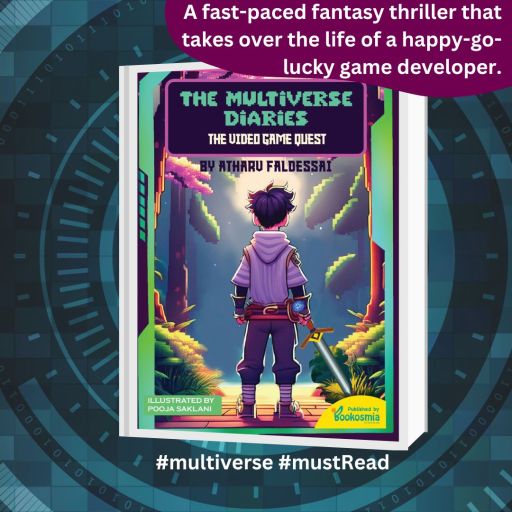
The Multiverse Diaries – The Video Game Quest (Age 8+): A young gamer gets pulled into a real-life video-game world and the adventure involves travelling across worlds and times. Link →
***
This article is published by Bookosmia, India’s #1 publisher for and by young people. Bookosmia is Children’s Book publisher and publishes stories, books, podcasts, events, TED-Ed talks, workshops, bedtime stories and more related to kids and young adults.
Photo Credit – AI Generated Images by Magic Media of Canva and Chat GPT.
Want to publish your articles, reviews, stories, audio stories, bedtime stories and poems ?
Did you know that children can submit audio stories to be turned into Bedtime Stories and published on Bedtime Stories – A Podcast by Bookosmia?
Write to us at sara@bookosmia.com or submit your article at the link below
Learn More