

The Heritage Of Vietnam
Vietnam has a rich heritage dating back several thousand years and is reflected in its culture, cuisine, architecture, and traditions. The country is located in Southeast Asia and is known for its scenic beauty, lush greenery, and bustling cities.
The Vietnamese people are proud of their heritage, and their culture and traditions are integral to who they are. The earliest known civilization in Vietnam dates back to the third millennium BCE when the Dong Son culture emerged. This culture was known for its bronze drums, which were used in religious ceremonies and believed to have spiritual powers. The Dong Son culture laid the foundation for Vietnamese art, music, and architecture.

l powers. The Dong Son culture laid the foundation for Vietnamese art, music, and architecture. During the first millennium BCE, the Chinese Han dynasty dominated Vietnam and significantly influenced its culture. The Chinese introduced Buddhism, Confucianism, and Taoism to Vietnam, which profoundly impacted its philosophy, art, and Architecture. In the 10th century, Vietnam gained independence from China and established the Ly dynasty. Under the Ly dynasty, Vietnam became a flourishing centre for Buddhism and art. The Ly dynasty also introduced the concept of civil service exams, which became an essential part of Vietnamese society.

In the 20th century, Vietnam was colonised by the French and later occupied by Japan during World War II. However, the country gained independence in 1954, and the Vietnam War ended in 1975. Despite facing challenges and hardships, Vietnam emerged as a strong, independent nation that values its heritage and cultural identity. The Vietnamese have preserved and celebrated their heritage through art, music, festivals, and traditions.

Vietnam’s heritage is reflected in its cuisine, which is known for its balance of flavours, textures, and colours. Vietnamese cuisine uses fresh herbs, spices, and local ingredients. Pho, a traditional noodle soup, is one of the most popular dishes in Vietnam and has gained worldwide recognition for its unique taste.
Vietnam’s architecture also reflects its heritage, with influences from China, France, and other Southeast Asian countries.
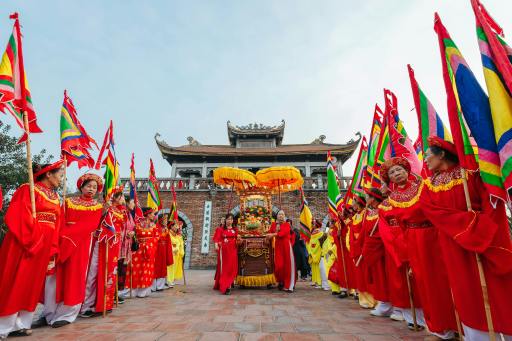
Vietnam’s festivals and traditions are an essential part of its cultural identity. The Tet festival, the Lunar New Year, is the most significant in Vietnam and is celebrated with family reunions, feasting, and fireworks. Other festivals include the Mid-Autumn Festival, the Hung Kings Temple Festival, and the Hue Festival.

In conclusion, Vietnam’s heritage is a testament to its rich cultural history and the resilience of its people. Vietnam has adapted to different influences from the Dong Son culture to today while maintaining its unique identity. Vietnam’s heritage can be seen in its art, architecture, cuisine, and traditions, and it continues to inspire and shape the country’s future.
BY- Yashi Gahlot
***
Photo Credit – Copyright Free, Royalty Free images from Pexels
Photo Credit – Yashi Gahlot,15,New Delhi