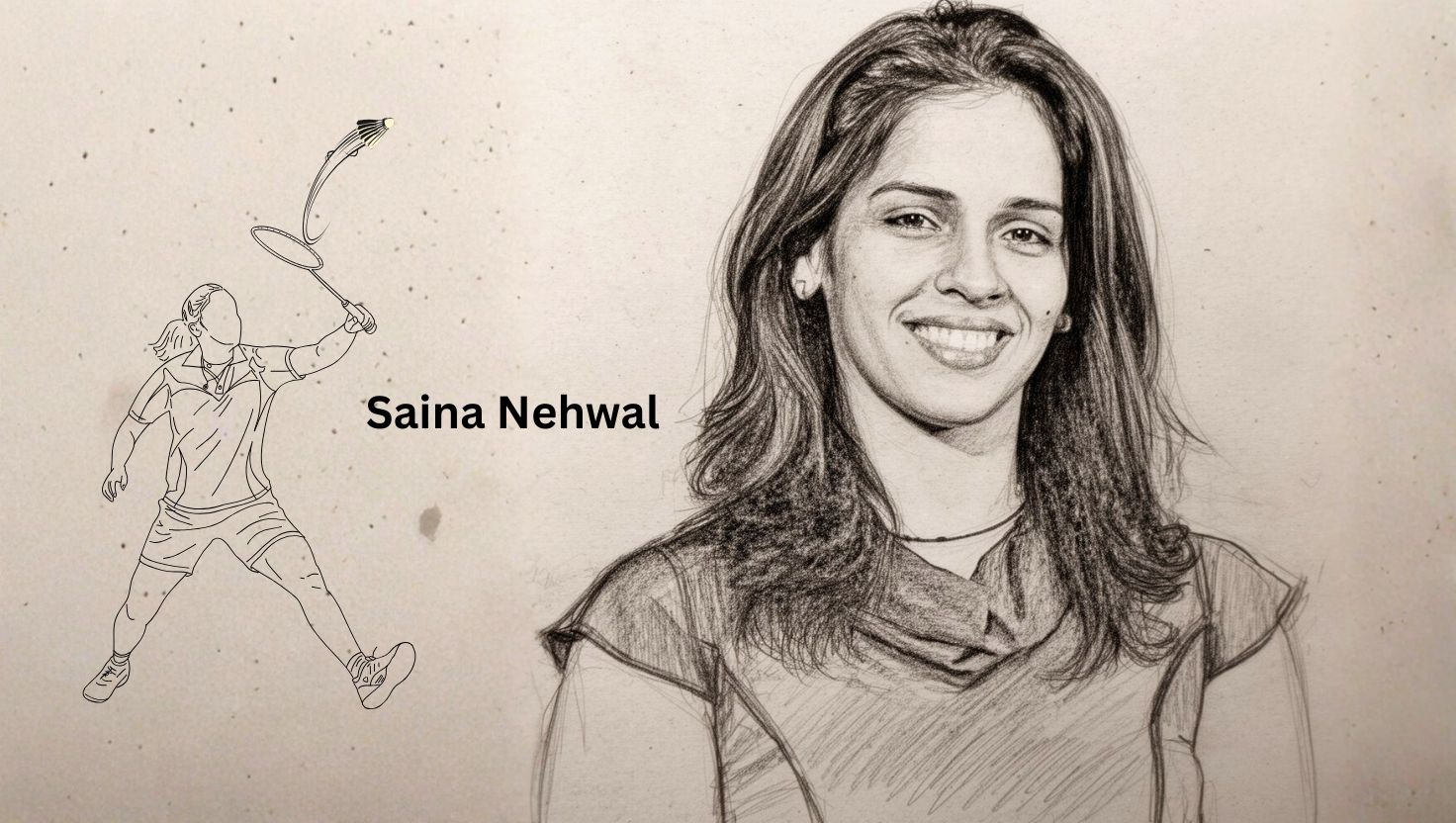
“I entered the sport on my own terms and left on my own terms” These were the words from Saina Nehwal who was the most prized badminton player to India. She was a magnificent player who has won more than twenty international titles, which include ten Superseries titles.
In 2008 she became the first Indian to win the World Junior Championship. She even was the First Indian to win a BWF Super Series.
She won India’s first Olympic medal in Badminton, bolstering our national prestige. In 2015 she became world’s No. 1 player showing the world that even India can touch the skies in games like Badminton. She even won the CWG Gold (Gold Coast) by beating the Legend P.V Sindhu in 2018.
Before Saina, Chinese dominance in badminton felt unbreakable. She showed Indian athletes they could compete with the best.
She even suffered a serious, career-threatening knee injury during the 2016 Rio Olympics, which severely hindered her movement and forced an early exit, but she didn’t give up! She rose again, returning in 2017 to win a bronze medal at the World Championships, followed by a gold at the 2018 Commonwealth Games and another bronze at the 2018 Asian Games.
She is the reason many young girls took up the sport. She motivated everyone that if we work hard with perseverance and determination, we will definitely achieve success. Even Virat Kohli posted, “Congratulations Saina on a legendary career that placed Indian badminton on the world stage. Wishing you a happy and well-deserved retirement. India is proud.” She will always be remembered for her performances even though she has stopped playing.
Thank you, Saina, for the roars in the stadium, the sweat on the court, and the tears of joy on the podium. You didn’t just play for yourself; you played for every Indian kid who was told that global dominance was out of reach. As you leave your legacy, you leave behind a court that is much more filled with young and better talent than when you first stepped in the game. You taught us that champions aren’t just born; they are forged through relentless hard work. Happy retirement, Queen of the Court!
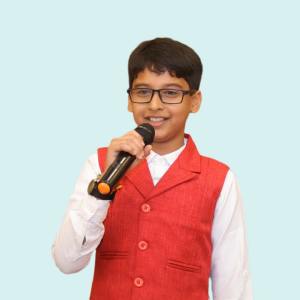
Note from the Author: Kanav Sharma
When I think of true inspiration in Indian sports, Saina Nehwal stands out as more than just a champion athlete—she stands as a symbol of courage, belief, and change. My piece “Thank You, Saina: The Trailblazer Who Dreamed for a Billion” is not only a tribute to her achievements but also an expression of gratitude for everything she has done for Indian sports and for the dreams of millions of young people across the country. Saina’s journey shows us that success is not just about winning medals; it is about breaking barriers, rewriting mindsets, and leaving behind a legacy that continues to inspire long after the final match is played.
Saina Nehwal entered badminton at a time when India was not seen as a global powerhouse in the sport. Badminton, especially at the international level, was dominated largely by countries like China, Indonesia, and South Korea. For an Indian player—especially a young girl—to imagine standing among the best in the world seemed almost impossible. But Saina dared to imagine what others did not. Her belief in herself became the foundation of her success, and that belief eventually transformed into belief for an entire nation.
One of the most powerful aspects of Saina’s career is how she chose her own path. Her words, “I entered the sport on my own terms and left on my own terms,” reflect her strong sense of independence and self-respect. She was not someone who followed trends or depended on expectations. She created her own identity through discipline, determination, and relentless hard work. Winning more than twenty international titles, including ten Super Series titles, is not an accident—it is the result of years of sacrifice, training, and mental strength.
Her victory at the 2008 World Junior Championship was a historic moment. She became the first Indian to win the title, sending a clear message to the world that Indian badminton had arrived. This was followed by her becoming the first Indian to win a BWF Super Series title. Each of these milestones did more than add trophies to her cabinet—they expanded the boundaries of what Indian athletes believed was possible.
Perhaps one of the proudest moments for India was when Saina won the country’s first-ever Olympic medal in badminton. That medal was not just made of bronze; it was made of hope, dreams, and national pride. It showed the world that India could compete at the highest level in badminton, and it showed young athletes that their dreams were valid. When Saina stood on that Olympic podium, she was not standing alone—she carried with her the aspirations of a billion people.
Her achievement of becoming the world’s No. 1 ranked player in 2015 was another defining moment. Rankings are not just numbers; they represent consistency, excellence, and dominance over time. Saina reaching the top of the world rankings proved that Indian players could not only participate but also lead on the global stage. She changed how the world viewed Indian badminton, and more importantly, how Indians viewed themselves in the world of sports.
Saina’s career was not without struggles. Like every true champion, she faced setbacks that tested her limits. Her serious knee injury during the 2016 Rio Olympics was one of the toughest phases of her career. The injury affected her movement and forced her to exit early, disappointing both her fans and herself. For many athletes, such an injury could have meant the end. But Saina’s story is powerful precisely because she did not give up. Instead of accepting defeat, she chose to fight back.
Her comeback in 2017, when she won a bronze medal at the World Championships, was a moment of resilience and courage. She followed it up with a gold medal at the 2018 Commonwealth Games and a bronze at the 2018 Asian Games. These victories were not just about medals; they were proof that perseverance can overcome even the most difficult challenges. Saina taught us that failure and injury do not define an athlete—how they respond to them does.
Another remarkable aspect of Saina’s legacy is her impact on young girls in India. Before her rise, sports—especially competitive sports—were often not encouraged for girls. Saina changed that narrative. She became a role model who showed that girls could be strong, competitive, and successful on the world stage. Today, countless young girls pick up a badminton racket because of Saina Nehwal. She didn’t just win matches; she opened doors.
The respect she earned went beyond badminton courts. When someone like Virat Kohli publicly congratulates her and calls her career legendary, it shows the level of influence and admiration she commanded across sports. Such recognition highlights that Saina’s contribution was not limited to her own sport—she elevated Indian athletics as a whole.
What makes Saina truly special is that even in retirement, her presence continues to be felt. The courts she once dominated are now filled with young, talented players who were inspired by her journey. Players like P.V. Sindhu and many others represent the generation that grew up watching Saina fight, win, lose, and rise again. This is the true definition of a legacy—when your influence continues even after you step away.
In writing this piece, my intention was not just to list Saina’s achievements but to reflect on what she represents. She represents hard work over shortcuts, perseverance over excuses, and belief over doubt. She reminds us that champions are not born, they are made through effort, discipline, and sacrifice. Her story teaches us that dreaming big is not enough; one must also be brave enough to chase those dreams relentlessly.
In conclusion, “Thank You, Saina: The Trailblazer Who Dreamed for a Billion” is my way of expressing gratitude—to a woman who carried Indian badminton on her shoulders and transformed it forever. Saina Nehwal did not just play for herself; she played for every Indian child who was told that global success was out of reach. She proved that with determination and courage, no dream is too big. As she retires, she leaves behind more than medals, she leaves behind belief, inspiration, and a future brighter than ever. Happy retirement, Queen of the Court. Your legacy will live on.

Who is Saina Nehwal?
Saina Nehwal is one of India’s greatest badminton players and a global sports icon who helped place Indian badminton on the world stage.
What historic achievement did Saina Nehwal accomplish at the Olympics?
She won India’s first Olympic medal in badminton with a bronze at the 2012 London Olympics.
When did Saina Nehwal become World No. 1?
She achieved the World No. 1 ranking in women’s singles badminton in 2015.
What was Saina Nehwal’s early breakthrough in international badminton?
In 2008, she became the first Indian to win the BWF World Junior Championships.
How did Saina Nehwal break Chinese dominance in badminton?
Through consistent international wins and Superseries titles, she proved that Indian players could compete and win against top Chinese shuttlers.
What role did Saina play in changing India’s badminton culture?
Saina’s victories brought badminton into the mainstream in India, increased viewership, improved infrastructure, and encouraged greater investment in the sport.
Why is Saina Nehwal’s career remembered as a turning point for Indian sports?
Her achievements shifted global perception about Indian athletes in racket sports and paved the way for future champions like P.V. Sindhu and others.
Where Can I buy the books?
You can buy the books at Bookosmia and Amazon.
Journal Combo I Creativity And Mindfulness For Children
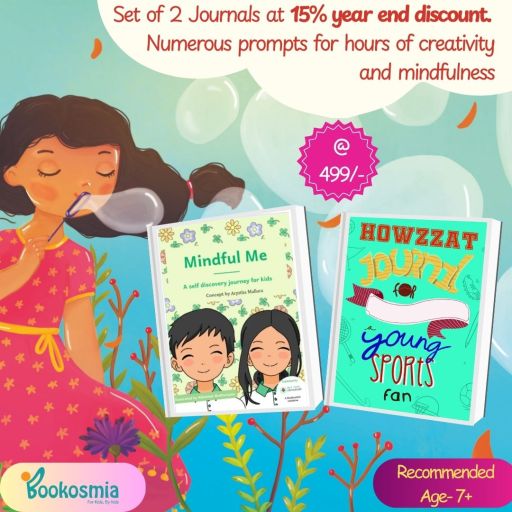
Discover the Journal Combo – Creativity and Mindfulness for Children, featuring the Mindful Me Journal and Howzzat Sports Journal. Designed for kids aged 7+, this thoughtful combo encourages self-discovery, emotional well-being, mindfulness and creative expression through fun prompts, reflective activities and engaging themes. A perfect companion for growing minds.
***
This article is published by Bookosmia, India’s #1 publisher for and by young people. Bookosmia publishes stories, books, podcasts, events, TED-Ed talks, workshops, bedtime stories and more related to kids and young adults.
Photo Credit – Copyright Free, Royalty Free images from pexels and canva
Want to publish your articles, reviews, stories, audio stories, bedtime stories and poems ?
Did you know that children can submit audio stories to be turned into Bedtime Stories and published on Bedtime Stories – A Podcast by Bookosmia?
Write to us at sara@bookosmia.com or submit your article at the link below
Learn More
Importance Of Teamwork In Sports And Daily-Life I Blog By Pareen