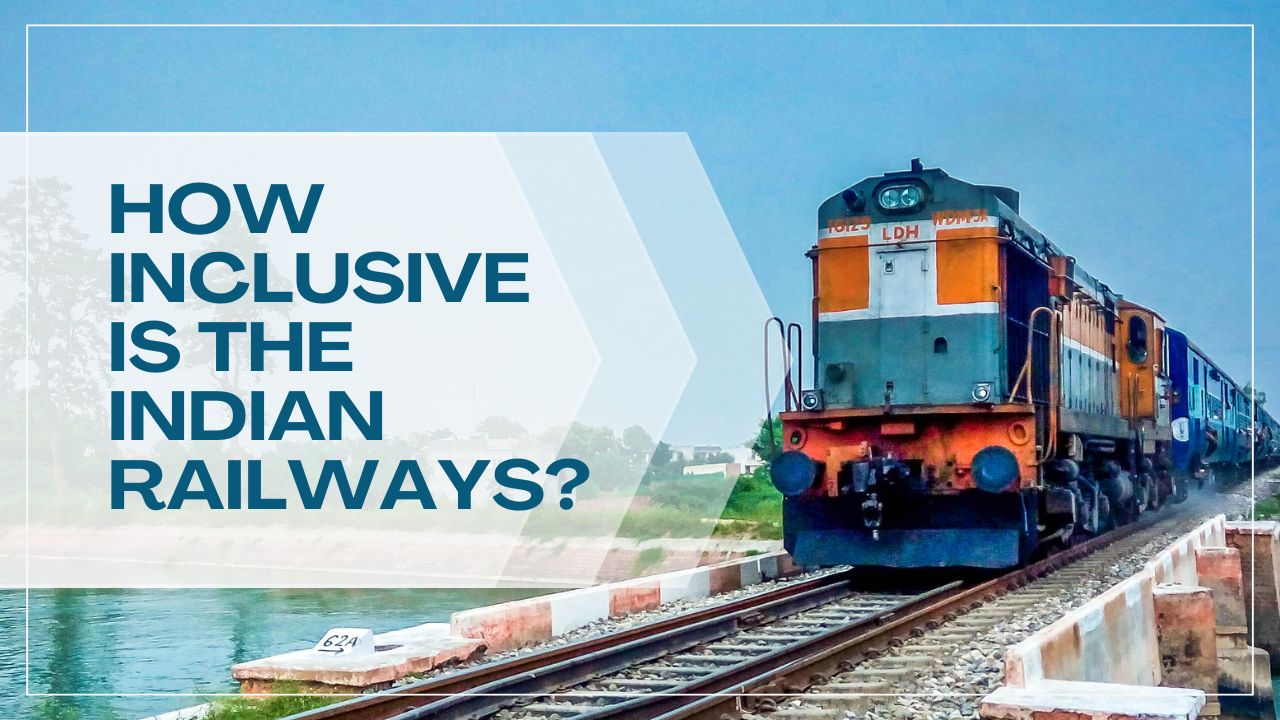
How inclusive is the Indian Railways?
The railway is meant to be a medium of transport for the masses. The differently abled also deserve to travel across the length and breadth of India. So what steps has the Indian Railways taken to make it more accessible for all? Here are my observations.

When you step onto a platform, you might hear a beeping noise. This noise is a guide for the visually impaired in order for them to find their coach. Furthermore, in and around the train coach, there is Braille signage used to direct and guide them as well. With a wheelchair and an electric buggy at your disposal, you get to skip the chaos of the railway station and can enter the train comfortably at your pace. Moreover, you can ask to be accompanied by a RPF (Railway Protection Force) constable to ensure your safety and care at all times.
In longer outstation trains, those who travel along with caretakers can book sleeping berths together under a special quota which reserves a certain number of seats and berths for the disabled in all trains. For the disabled, a lower berth is allotted as well as another berth close by for the caretaker. Fee concessions also apply under the “divyangjan” quota which is an initiative representing the Equal Opportunities, Protection of Rights and Full Participation Act. 75% is taken off the ticket price in sleeper class, 3rd AC and chair car, while a 50% discount is applicable in 1st AC and 2nd AC.
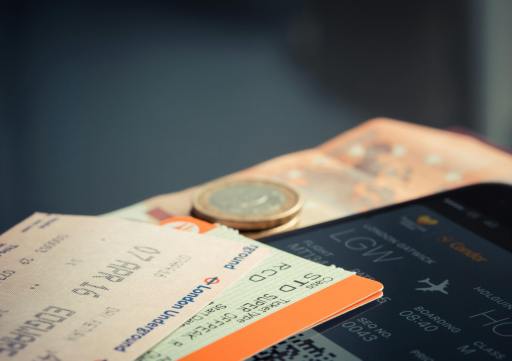
To reserve a train ticket these days, most people simply book online, however there are separate reservation counters to cater to the differently abled in stations. These counters also service booking requests from VIPs, members of parliament, freedom fighters etc.
Most trains are equipped with at least one coach specially built for the differently abled. These coaches known as ‘SLRD’ coaches, are equipped with large doors, ramps, specially designed lavatories, and wider berths. Newer trains like the Vande Bharat express have seats inside normal carriages itself that are made to accommodate a wheelchair and an extra attendant.
Infrastructure on platforms such as lifts, escalators, water booths, reserved parking spaces, signages of appropriate visibility and toilets specially designed for the differently abled are rapidly appearing in stations throughout the railway network. Under the Yatri Mitra Sewa service, wheelchair cum porter services are provided by IRCTC.
While the Indian Railways is trying its best to ensure that the differently abled can travel with ease, a lot more needs to be done especially to make sure that the various initiatives are implemented effectively on the ground. A lot of the railway infrastructure is dated and when new initiatives like the above are an afterthought there are going to be constraints . For eg. building ramps and escalators may be a challenge in some stations which do not have the space to accommodate additions. This may mean deployment of more funds and resources to modernise the whole structure. There is a need for standardised procedures – for eg. where is the SLRD coach in a train going to be attached every time, what are the roles and responsibilities of the railway staff to make it easier for the differently abled passengers, etc. Also there is a need for more awareness and training programs to sensitise not just railway personnel but also all commuters to these ongoing initiatives especially to prevent misuse of these facilities by able bodied commuters. Strict penalties need to be levied for any kind of misuse of these special facilities. Regular feedback and suggestions from the differently abled commuters who are the real beneficiaries of these changes will help to make the Indian Railways a truly inclusive enterprise in the long run. It is a journey well begun for now.
***
Laapata Ladies : My take as an Indian Railways fan I Blog By Siddharth, 15, Mumbai
Photo Credit – Copyright Free, Royalty Free images from Pexels