“If God did not exist, it would be necessary to invent him.” — Voltaire
If God did not exist, it would be necessary to invent Him.” — Voltaire
The above words capture a truth that nearly all of humanity ponders. About 75% of people believe in some religion, 20–25% are religiously unaffiliated, and a smaller 5–10% are atheists who firmly reject the idea of God.
Some things aren’t meant to be proven. If God’s existence were scientifically proven, people might begin to unload every worry and desire onto Him. God isn’t a genie who grants wishes, but a guide who helps us navigate life’s storms. Though we can’t see or measure Him, there are moments when we feel His presence in comfort and in coincidence.
Yet, there’s also the possibility that God does not exist. Like the balance of Yin and Yang where there is light, there is darkness; where there is belief, there is doubt. Both must coexist, and neither can be proven entirely wrong.
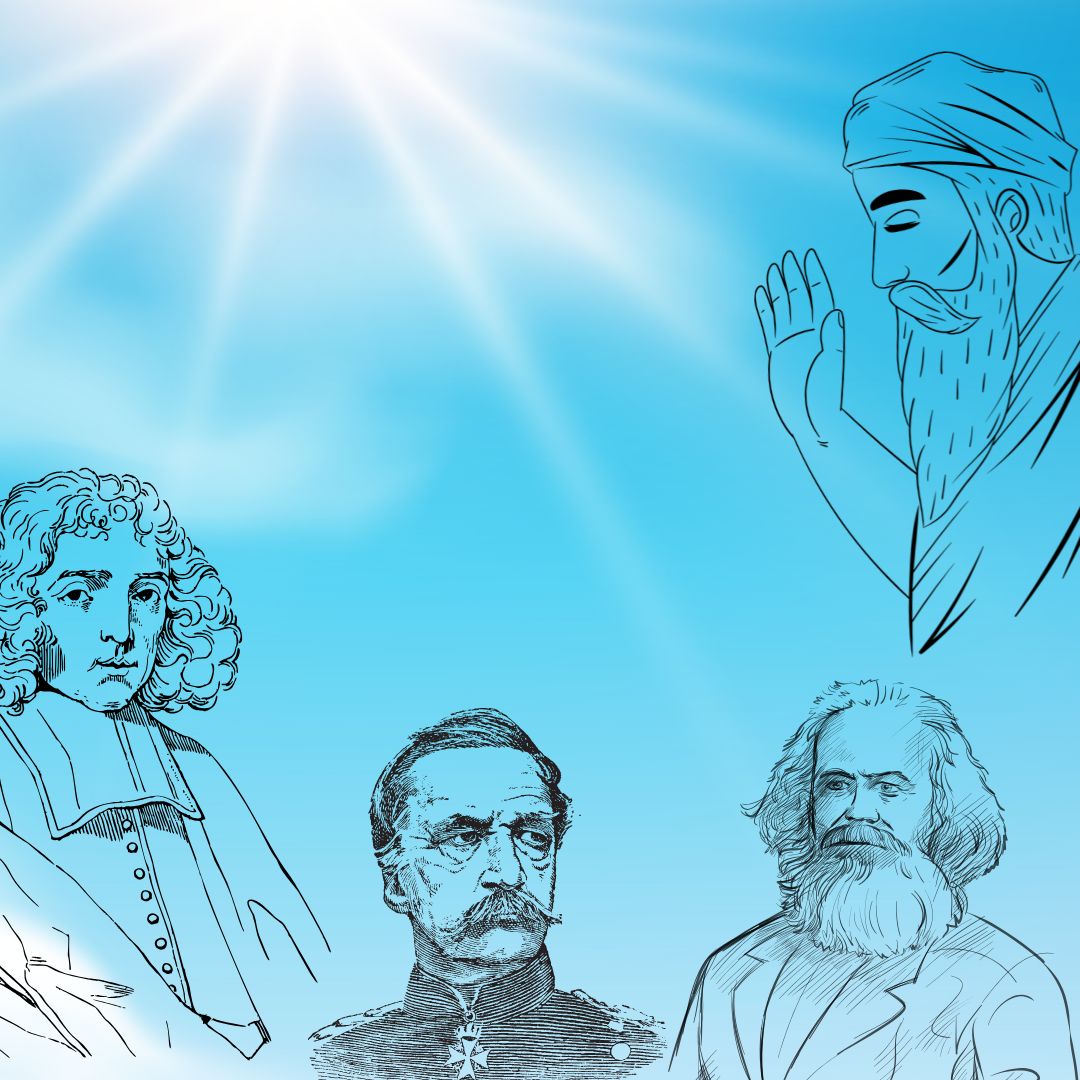
Kabir said, “God is within you; not in rituals, but in self-realization.”
Guru Nanak taught, “God reveals Himself through devotion and remembrance.”
Voltaire claimed, “If God did not exist, it would be necessary to invent Him.”
Feuerbach believed, “God is a projection of human ideals and desires.”
And Marx argued that “Religion is the opium of the people.”
Even if proof were found, some would still deny it. Perhaps it’s better to let the question remain unanswered because in mystery, we find meaning, faith, and hope.

What is the essay “Can the Existence of God Be Proven by Reason?” about?
This essay explores one of humanity’s oldest philosophical questions — whether the existence of God can be proven through logic and reason. It discusses both belief and doubt, showing that faith may not always need proof.
Who wrote this essay and where is the author from?
The essay is written by Taashvee Shetty, a 13-year-old from Thane, who shares a thoughtful and balanced perspective on faith and philosophy.
What message does the essay convey?
The essay suggests that God’s existence may not be something science or logic can prove. Instead, faith is felt through experiences, comfort, and coincidences. It concludes that mystery gives life depth, meaning, and hope.
Which famous thinkers are mentioned in the essay?
Taashvee refers to several great thinkers and philosophers:
Voltaire – “If God did not exist, it would be necessary to invent Him.”
Kabir – “God is within you; not in rituals, but in self-realization.”
Guru Nanak Dev – “God reveals Himself through devotion and remembrance.”
Feuerbach – Believed God is a projection of human ideals.
Karl Marx – Called religion “the opium of the people.”
Does the essay support or deny the existence of God?
The essay remains neutral and reflective. It acknowledges both belief and doubt, suggesting that neither can be proven entirely wrong. Instead, both coexist like Yin and Yang — balancing light and darkness, faith and skepticism.
Why is this essay important for young readers?
It encourages readers to think critically about faith, reason, and philosophy, teaching them to respect different perspectives and appreciate the beauty of questions that don’t have simple answers.
What is the tone of the essay?
The tone is thoughtful, balanced, and philosophical. It gently invites readers to explore their own beliefs rather than pushing a single viewpoint.
Which Bookosmia themes or books connect with this essay?
This essay connects with Bookosmia’s “Reflections,” “Philosophy,” and “Faith & Humanity” themes. Similar reads include:
Book with essays
***
This article is published by Bookosmia, India’s #1 publisher for and by young people. Bookosmia publishes stories, books, podcasts, events, TED-Ed talks, workshops, bedtime stories and more related to kids and young adults.
Photo Credit – Images by AI Canva and Chat GPT
Want to publish your articles, reviews, stories, audio stories, bedtime stories and poems ?
Did you know that children can submit audio stories to be turned into Bedtime Stories and published on Bedtime Stories – A Podcast by Bookosmia?
Write to us at sara@bookosmia.com or submit your article at the link below
Learn More