Beneath The Lockets Gold
The air hums with curiosity as I step into the dimly lit library of the old Haveli in Jaipur. The room smells of aged wood and forgotten pages. I’ve always been drawn to the thrill of uncovering secrets, but today feels different. This isn’t about treasures or ancient puzzles—it’s personal.
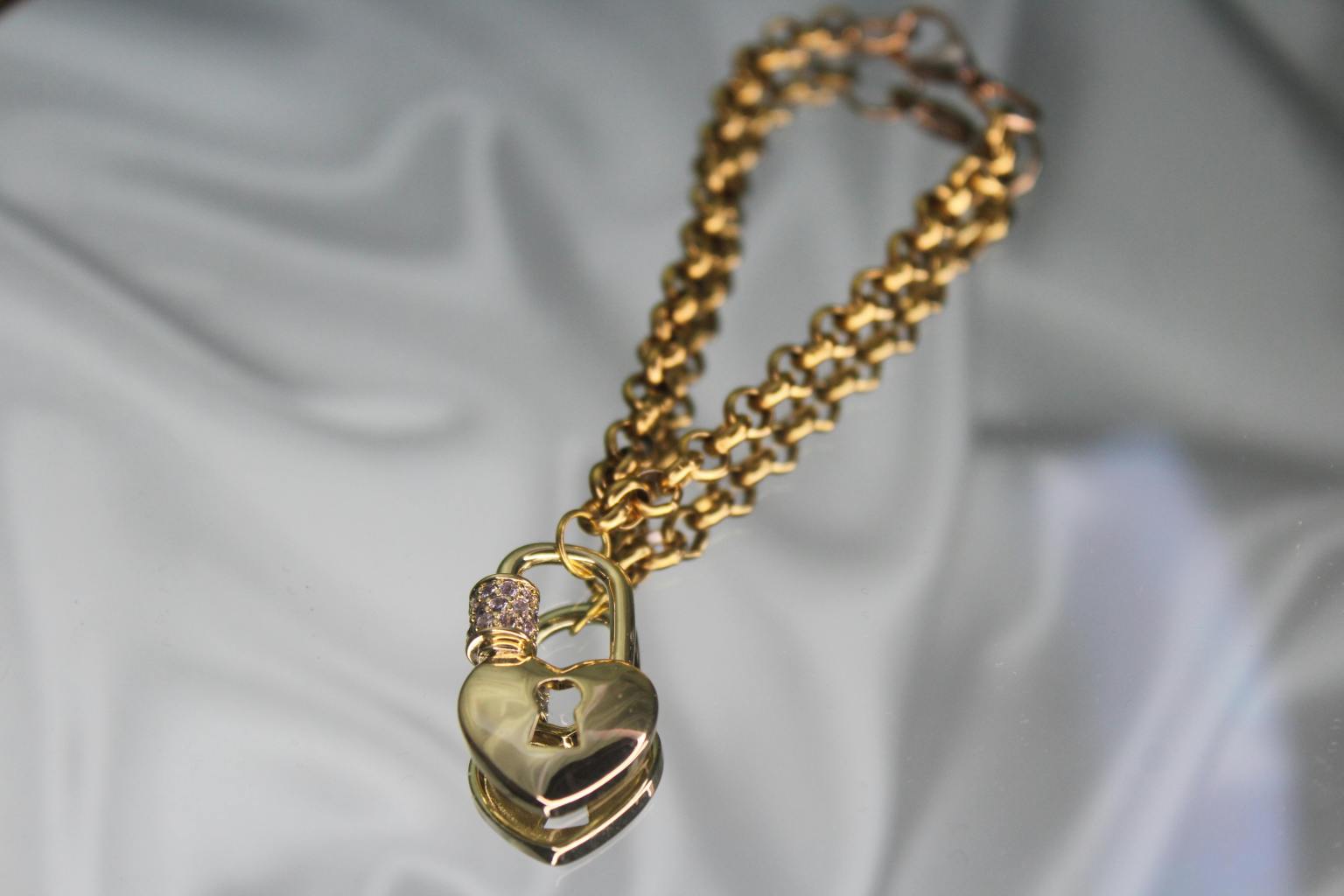
My heart flutters, a mix of anticipation and dread, my fingers brushing against dusty book spines as if each one might reveal the answers I need. A week ago, Aunt Reshma called me, panicking. “It’s gone, Sunita! The locket… your mother’s locket. I’ve searched everywhere.” Her voice wavered, guilt thick in every word. The locket was my mother’s most treasured possession—a simple gold oval engraved with the words, “Forever in my heart.” After her passing, Aunt Reshma promised to keep it safe. But now it’s missing, and the way she spoke made me feel there’s more to this than a misplaced item. The worry in her voice lingers, fuelling an ache in my chest. I begin my search in the library, the place where Aunt Reshma spends hours combing through dusty books. The shelves stretch upward, a labyrinth of volumes and hidden nooks. Normally, I find comfort in libraries’ stillness, but today, every creak of the floorboards feels like a whisper of something unseen. The first hour reveals nothing—just forgotten books and the distant memory of my mother reading bedtime stories. Then, my fingers brush against a book slightly askew, its title barely visible in the dim light: The Art of Deception.

My pulse quickens as I pull it from the shelf. The weight of it feels significant. Inside, a note slips out: “Sunita, some truths are harder to bear than others. – R.” My heart races. Aunt Reshma must have left this for me, but why? And why hide it in a book about deception? I take the note and make my way upstairs to Aunt Reshma’s study. Her desk is a chaotic mess of papers, photographs, and a locked drawer that practically calls to be opened. I quickly rummage through the desk and find a small key taped beneath the drawer. With a satisfying click, it opens to reveal a letter. The handwriting is unmistakable—my mother’s.
“Dearest Reshma, If anything happens to me, promise me you’ll keep Sunita safe. The locket holds more than memories; it’s the key to uncovering the truth. But be careful. Not everyone can be trusted. Love always, Suruchi.”
My heart lurches. Does the locket hold a secret? Aunt Reshma wasn’t careless; she was protecting something—or someone. A new clue emerges. As I leave the study, I notice a faint outline of a door at the end of the hallway. It’s barely visible, but years of puzzle-solving have sharpened my instincts. A small latch blends with the wood. I press it, and the door creaks open to reveal a hidden room. Inside, the air is colder, as if untouched by time. A small table, a chair, and a safe bolted to the floor are all that fill the space. On the table lies another note, in Aunt Reshma’s handwriting: “The combination is where it all began.” Where it all began.

My mind races back to my childhood—my mother’s stories about the day I was born, her happiest memory of the hospital room with the number 23 on the door. Could that be the key? I kneel before the safe, my hands shaking as I dial in the combination: 23-23-23. With a soft click, the safe opens. Inside, a velvet box holds the locket, its golden surface gleaming even in the dim light. A rush of relief floods through me, but it’s fleeting. The locket feels heavier than I remember. I open it and find a tiny key nestled inside. My mother’s words echo in my mind: “The locket holds more than memories.” What does this key unlock? I return to the library and scour the room for any clue—anything with a matching keyhole. Hours pass, frustration rising. Finally, my eyes land on a grandfather clock in the corner, its face frozen at midnight. The base has a small keyhole, nearly hidden in the carvings. I insert the key and turn it. The clock chimes, the sound resonating through the room. A hidden compartment opens, revealing a stack of letters tied with a ribbon. Each one is addressed to my mother, signed by someone named “S.” As I read, the truth unfolds. My mother had been investigating a buried family secret—an embezzlement scandal that threatened to ruin the haveli’s reputation. Aunt Reshma had been helping her, but someone else in the family had found out. The letters hint at threats and warnings to stop digging. My mother’s death ruled as an accident; now it seems far from accidental.
Later, I confronted Aunt Reshma. Her face pales when I show her the letters. She sighs deeply, sinking into her chair. “I tried to protect you, Sunita. Your mother was determined to expose the truth, no matter the cost. When she died, I hid the locket, hoping to keep you safe.” “Safe from whom?” I demand. Tears well in her eyes. “From your uncle Chandan. He’s the one who…” She chokes on the words but doesn’t need to finish. The truth hits me like a blow: Uncle Chandan, with his charming smile and false generosity, had hidden a darker side. The pieces fall into place—the “accident,” the threats, the missing locket. It all points to him. Aunt Reshma and I took the letters to the authorities. The investigation is reopened, and Chandan’s web of deceit unravels.
Justice comes slowly, but it comes. In the end, the locket proves to be more than a keepsake—it’s a symbol of resilience and truth. My mother’s courage inspires me to face life’s mysteries, no matter how daunting. As I clasp the locket around my neck, I feel her presence, a reminder that some secrets are worth uncovering—not for revenge but for the sake of truth.
Moral: “Facing buried truths requires courage; uncovering them brings justice, healing, and the strength to move forward.”
***
Photo Credit – Copyright Free, Royalty Free images from Pexels