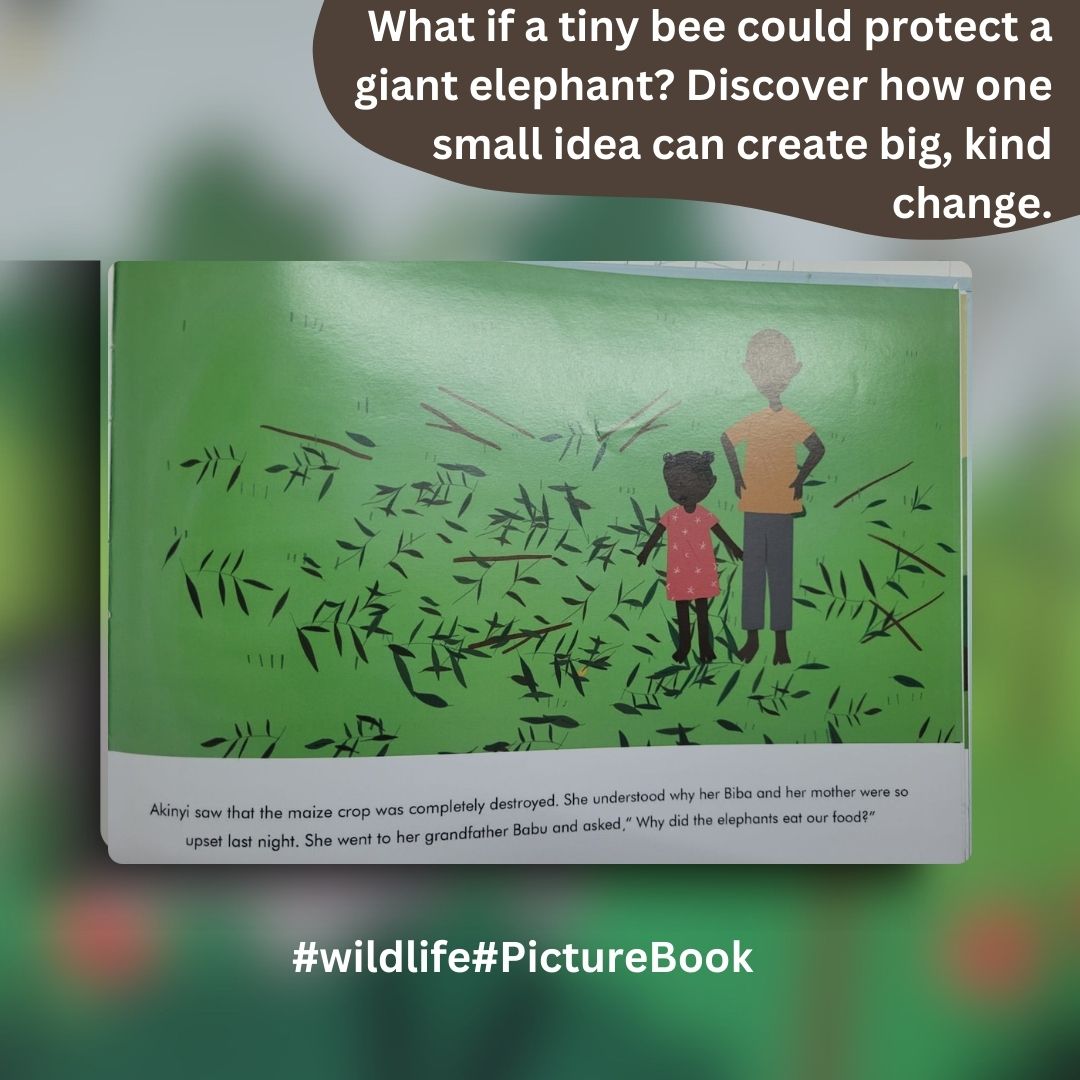
We all had our food today….right? May it be a pizza or some sabji roti, we all ate something or the other. This food we eat gives us energy to do exactly everything. To thinking about cats and work, to running, breathing, writing and everything else we do in our everyday lives.
This energy comes from 1 thing. Agriculture… But some people are not as fortunate as us to get 3 meals a day, some families hardly get 1 meal a day. Food scarcity is becoming a pressing global concern, affecting millions of people worldwide. Climate change, population growth, and poor agricultural practices are straining our ability to produce enough food. As prices rise and resources dwindle, communities face hunger and malnutrition. Understanding the causes and finding sustainable solutions is crucial to ensure food security for future generations.” In this article I shall explain what are the reasons for food scarcity and how to avoid it in the future.

Global warming plays a very important role in the act of food scarcity. All the gases other then oxygen are being increased and trapped in the atmosphere leading to overheating and reduction in rain. As we know rice needs a lot of water so with the reduction of rain, so the production of rice is less leading to rice not being shipped to a mass of people. Not only rice but a lot of other pulses need water to grow so over 3.1 billion people cannot afford or receive a proper meal at least in one month. Natural calamities are also a reason for food scarcity.
When droughts hit villages and plain or plateaus, there is absolutely 0% of water to help grow crops. When higher temperature reaches, more water is needed as all the moistureis evaporated from the soil so more water is needed for cooling, thus worsening shortages.

Deforestation is one of the most common reasons of food scarcity, as when flash floods happen, the roots of tree absorb the water so floods happen a lot less. But due to deforestation, the lack of trees cannot absorb the water, thus destroying crops leading to food scarcity in a lot of places. When farmers use pesticides on plants, the chemicals in the pesticides start to
slowly kill the plants thus, also in a way, leading to food scarcity. Due to all these reasons, food is coming at a very high price, thus leaving people at poverty and some without food at
all.
Conflict is also a reason for food scarcity. During wars, crops get destroyed leading to scarcity and wars and conflicts also halt trades of food so, people are unable to get food also
leading to food scarcity. During wars people get misplaced and divert resources to the army leaving their families in the dark. During wars, poverty is a lot more, thus leading to people
starving. War also disrupts food supply chains. Roads, markets, and storage facilities may be damaged or closed, making it difficult to transport food from rural areas to cities. In addition,
conflict can cause food prices to rise sharply, making basic food items unaffordable for many families. Even when food exists, people may not be able to access it safely.

Every day, large amounts of food are thrown away by households, restaurants, and supermarkets. This wasted food could have fed hungry families. Seeing food rot in bins while people starve shows how broken the system has become. Food waste worsens scarcity by reducing the amount of food available to those who need it most. Food waste happens at every level. In wealthy countries, supermarkets, and homes discard perfectly edible food. In poorer regions, crops are lost because farmers cannot store or transport them safely.
Together, these losses add up to a massive global problem. Reducing food waste is one of the easiest ways to fight hunger: by sharing, preserving, and respecting food, we can make sure
more people have enough to eat.
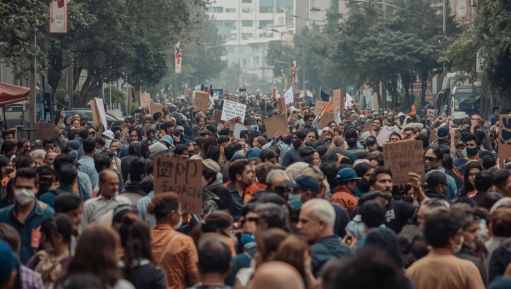
As the world’s population continues to grow, the demand for food rises faster than ever. More people need more meals, more water, and more land for farming. In many regions, especially in developing countries, food production struggles to keep up. Families face higher prices, smaller portions, and limited access to nutritious food. Population growth also puts pressure on natural resources. Soil becomes overused, forests are cleared, and water is stretched thin. Farming under these conditions is harder, and crops are more likely to fail. When the population grows faster than the food supply, hunger spreads quietly, often unnoticed until it is severe. As the world’s population continues to grow, the demand for food rises faster than ever. More people need
more meals, more water, and more land for farming. In many regions, especially in developing countries, food production struggles to keep up. Families face higher prices, smaller
portions, and limited access to nutritious food.
Population growth also puts pressure on natural resources. Soil becomes overused, forests are cleared, and water is stretched thin. Farming under these conditions is harder, and crops are
more likely to fail. When the population grows faster than the food supply, hunger spreads quietly, often unnoticed until it is severe.

Food scarcity does not always mean no food at all—sometimes it means not enough nutritious food. Many families survive on cheap, limited diets that lack essential vitamins and minerals.
This leads to malnutrition, which weakens the body, slows growth in children, and makes the future undecided, Malnutrition is often invisible but devastating. A child may look thin or sickly, unable to concentrate in simple things like creativity unlike other children. Adults may lack the energy to work or provide for their families. Poor nutrition traps communities in a cycle of poverty: without healthy food, people cannot grow, learn, or work to improve their lives.
Addressing food scarcity is not just about filling stomachs, it is about feeding bodies and minds with the nutrients they need to thrive. Every meal should be a step toward health, not just surviva. With these points, we understand the severe impact of the mind boggling topic Food Scarcity. It occurs with the reasons of humans not caring about the things that keep us well and good. Now that we understood How food scarcity occurs, let us find out how to stop it for good.
Ending food scarcity requires the involvement of everyone in the planet. Supporting agriculture and protesting against deforestation can also help against food scarecity. Doing small acts like eating everything in box can give out a major impact on our earth.
Hope everyone who is reading this article finds a glimmer of hope in their heart and does something or the other to save the
world and the people in it. With this, the article ends…..
-Y. Yakshitha Sharma’
What is food scarcity?
Food scarcity is a situation where people do not have reliable access to enough safe, nutritious food to live a healthy life.
What are the main causes of food scarcity?
Major causes include climate change, deforestation, conflict, food waste, rapid population growth, and poor agricultural practices.
How does climate change affect food production?
Climate change leads to irregular rainfall, droughts, floods, and rising temperatures, which damage crops and reduce agricultural yield.
Why is deforestation linked to hunger?
Deforestation increases the risk of floods and soil erosion, destroys farmland, and disrupts ecosystems needed for healthy crop growth.
How do wars and conflicts create food shortages?
Conflicts destroy crops, block transport routes, damage markets, and make food unaffordable or inaccessible to many families.
How does food waste contribute to food scarcity?
Large amounts of edible food are discarded daily by homes, restaurants, and stores. Reducing waste can help feed more people.
What is the difference between hunger and malnutrition?
Hunger is the lack of enough food, while malnutrition occurs when people do not get the right nutrients, even if they eat regularly.
How does population growth impact food availability?
More people increase the demand for food, water, and land, putting pressure on resources and making it harder to meet everyone’s needs.
What are some simple steps individuals can take to reduce food scarcity?
Avoid wasting food, support sustainable farming, plant trees, donate surplus food, and spread awareness about hunger issues.
Why is addressing food scarcity important for the future?
Ensuring food security helps communities stay healthy, reduces poverty, supports education, and builds a more sustainable world.
How can you buy the books?
You can buy the books at Amazon and Bookosmia
Fables Of The Future I Children’s Anthology Book

Fables of the Future is a delightful children’s anthology (Age 7+) filled with imaginative animal tales and valuable life lessons. Written by the talented students of Word Munchers, this collection brings stories of friendship, kindness, humility, and hope to life. Perfect for bedtime reading, storytime, or inspiring young readers, each tale sparks curiosity, creativity, and empathy in a fun and engaging way.
Enjoy free shipping on 2 or more copies of Fables of the Future and on orders above ₹500 across Bookosmia website —perfect for gifting or sharing!”
***
This article is published by Bookosmia, India’s #1 publisher for and by young people. Bookosmia publishes stories, books, podcasts, events, TED-Ed talks, workshops, bedtime stories and more related to kids and young adults.
Photo Credit – AI generated images from Chat GPT and Magic Media from Canva .
Want to publish your articles, reviews, stories, audio stories, bedtime stories and poems ?
Did you know that children can submit audio stories to be turned into Bedtime Stories and published on Bedtime Stories – A Podcast by Bookosmia?
Write to us at sara@bookosmia.com or submit your article at the link below
Read at Bookosmia
Children below 15 should not have Instagram accounts. I Discussion By Anaisha