In dusty rooms where chalk still flies,
Beneath the vast and hopeful skies,
Young minds awake with dreams anew,
In every shade, in every hue.
From Ladakh’s peaks to Kanyakumari,
In cities grand, in towns less starry,
The bells of learning daily ring-
A nation’s heart begins to sing.
Books, not blood, must mark our name,
In every class, we’re all the same.
Let pens write peace, not walls of hate,
Let kindness shape our shared fate.
No colour makes a soul more pure,
No caste decides who must endure.
The brilliance of a thought, a spark-
Can come from anywhere, any dark.
We raise our hands not just to ask,
But help each other in each task.
A better India starts with this:
A classroom built on mutual bliss.
So teachers, guide with patient grace,
And students, make the world your place.
Not just with math or history told,
But hearts that never turn to cold.
Erase the lines that scar the skin,
The truth of worth lies deep within.
Let every name be called with pride,
Let no one feel they must hide.
In every school, in every heart,
We hold the power to restart.
Education isn’t just a test-
It’s learning how to be our best.
Note By Author :
“Chalk and Change” is about how we must try our best in class all the time because every specific lesson might change your life. It is also about how we are all the same in class so everyone deserves the same treatment no matter what.
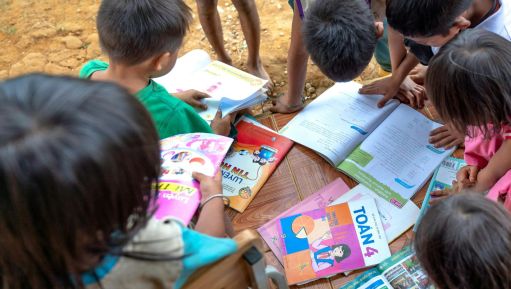
Q1. What is the central theme of the poem?
The poem emphasizes the power of education to unite people, break barriers of caste, class, and colour, and inspire peace and kindness in society.
Q2. Why is the poem titled “Chalk and Change”?
The title reflects how chalk, a simple tool of teaching, symbolizes the transformative power of education to bring about positive change in individuals and the nation.
Q2. Is there any book for that help empower teachers with the tools, insights, and confidence to foster truly inclusive classrooms?
Yes,Dhwani : Resource for teachers | Practitioner’s handbook with engaging illustrations of classroom scenarios and strategies. We know that real impact is on the ground , in the classrooms where children and teachers come together as one. This is where learning happens, yes, but also where memories are made, confidence is shaped and first bonds created.
But amidst pressure of finishing portions, correcting papers and managing different classes, are we empowering teachers enough to support their learners regardless of ability, background, and learning style? That is the genesis of Dhwani.
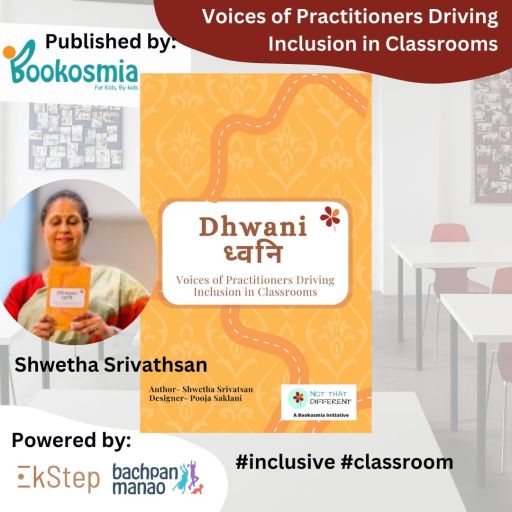
Download the free Dhwani I Voices of Practitioners Driving Inclusion in Classrooms
Q4. How does the poem portray India?
It describes India’s diversity, from Ladakh to Kanyakumari, showing that education unites children across all regions, cities, and towns.
Q5. What message does the poem give about equality?
The poem asserts that no caste, colour, or social status determines a person’s worth brilliance and potential can come from anyone.
Q6. What role do teachers play according to the poem?
Teachers are seen as guides with patience and grace, shaping not just knowledge but also the character and values of students. Teaching students, motivating them and balancing Physical education, play, studies and Mental health is important part of education.
Q7. How are students encouraged to contribute?
Students are urged to support each other, raise their hands not only to ask questions but also to help, and use education to build a better, kinder India.
Read the article by The Hindu – The importance of encouraging students to read
Q8. Why does the poem stress “books, not blood”?
It highlights that a nation’s legacy should be built on learning, peace, and creativity rather than conflict and violence.
Q9. What does the poem suggest about the true purpose of education?
Education is not just about passing tests; it is about becoming the best version of ourselves, embracing compassion, equality, and mutual respect.
Q10. What vision of the future does the poem present?
The poem imagines a future where schools and classrooms nurture harmony, erase discrimination, and empower every child to shine with pride.
Playing plays an important role in childs life and as we grow up sports take a backseat. But its never to late to bring back the inner child in us and enjoy play like kids.
Archana Mohan‘s ‘Biggies Don’t Play’ advocates the importance of Play. In the book , we meet an 8-year-old girl who has bought into this idea, convinced that being a ‘big girl’ means abandoning the simple pleasures of play. But as she observes the world around her, she begins to wonder if being big doesn’t necessarily mean losing one’s sense of wonder and joy?
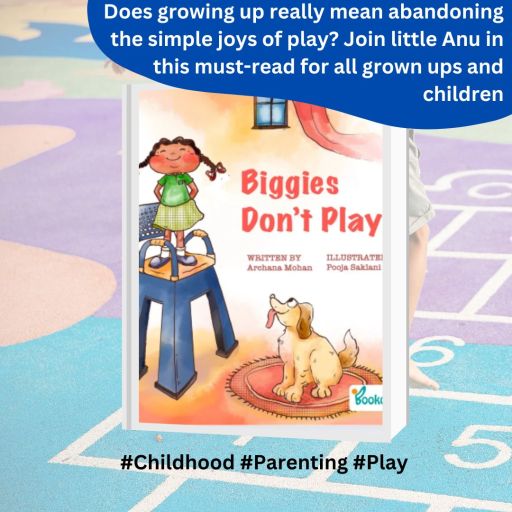
You can buy the book here
Biggies Don’t Play | Children’s Book for Age 3+
Q11. Who is the intended audience of the poem?
The poem speaks to both teachers and students, and more broadly to society, reminding everyone of their role in shaping an inclusive, peaceful, and progressive nation through education.
Q12. Where can I read more poems like this?
You can explore wonderful collections of poems and stories by young writers in Bookosmia’s poem books, which celebrate creativity and voices of children across India.


Petals Of Imagination I A Collection Of Poems 8+
Verse Traverse I Collection of Poems and Stories for Age 6+
The World Through My Poems I A Collection Of Poems 6+
***
This article is published by Bookosmia, India’s #1 publisher for and by young people. Bookosmia publishes stories, books, podcasts, events, TED-Ed talks, workshops, bedtime stories and more related to kids and young adults.
Photo Credit – Copyright Free, Royalty Free images from pexels and canva
Want to publish your articles, reviews, stories, audio stories, bedtime stories and poems ?
Did you know that children can submit audio stories to be turned into Bedtime Stories and published on Bedtime Stories – A Podcast by Bookosmia?
Write to us at sara@bookosmia.com or submit your article at the link below
Learn More
Better India: A Paramount of Well-Being I Blog by Akansha Tiwari, 14, Panvel