



Eternal Questions: The Fate of the Soul
Is there life after death? Is it just a lie or is it a reality we don’t know of? This topic has intrigued humanity for millennia, sparking profound questions about the nature of existence and the fate of the soul. Throughout history, different cultures, religions, and philosophies have varying interpretations of what happens after death.
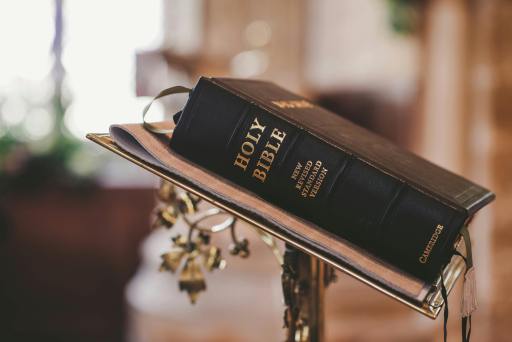
All religions have different perspectives about what happens after we die. Christianity believes that the soul is eternal and its destination is determined by one’s faith and actions in life. According to Christianity, believers who accept Jesus Christ as their savior and live according to the Ten Commandments will live an eternal life in heaven. But those who reject God and live in sin will be sent to hell.

It is quite similar in Islam too. According to your deeds, you will either be sent to Jannat, which is paradise, or eternally punished in Jahannam, which is hell. While these religions believe in heaven and hell, Hinduism and Buddhism have different perspectives.
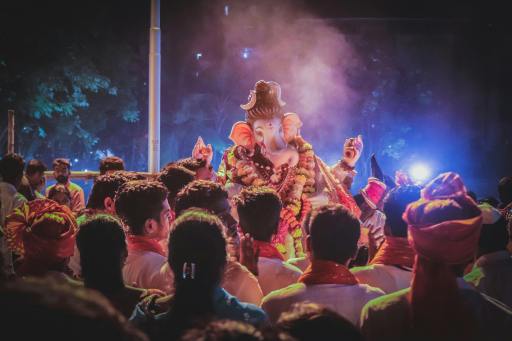
Hinduism presents a cyclical view of life after death through the concept of reincarnation. According to Hindu beliefs, your soul is immortal, but not the body. Based on your deeds, you will be given a separate life. Liberation from this cycle occurs by attaining spiritual knowledge, ethical living, and devotion.
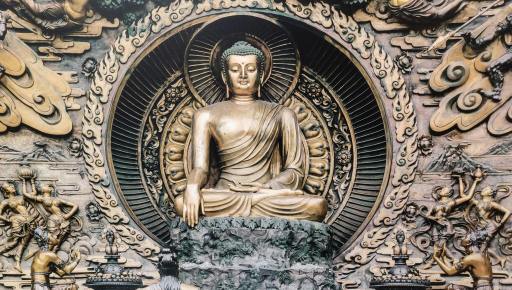
Buddhism also embraces the idea of reincarnation, but it differs from Hinduism. Instead, Buddhism teaches that life is a continuum of changing states, influenced by karma. The ultimate goal is to achieve Nirvana, a stage of liberation from this cycle, attained through the Eightfold Path.
This topic of life and death is also taken up in philosophical arguments. This debate occurs between dualists like Rene Descartes, who believe that the soul and body are separate entities, and materialists, who say that the brain ceases to function even when we die, and consciousness ends. Then there is also idealism, with philosophers like George Berkeley, who believe that life after death is fundamentally possible because the mind or consciousness is primary and not dependent on the physical body. This perspective aligns with various spiritual beliefs about the continuity of the soul.
There are also different perspectives on this idea in science. Recently, a new phenomenon called near-death experiences (NDEs) has emerged. A few NDEs have been reported by individuals who have been close to dying and revived. Common features of NDEs include feelings of peace, out-of-body experiences, and encounters with deceased loved ones or spirits. Some scientists and researchers debate that this may be a possibility of life after death, while others say that this is just a psychological process occurring in the brain due to extreme stress or trauma.
I had recently heard about a case in which a boxer died in a boxing match and after a few minutes, he came back and said that he saw his ancestors and his dead dog. Scientists say that life after death is not possible, as right after death, the cells inside our body and our brain stop working, so we can’t see or prove anything about it. According to me, I find life after death very mysterious and interesting. Many people agree with this, but a few do not. Personally, I believe that there are ghosts and spirits and that I can sometimes feel that someone is watching me in the dark.
This debate on life after death will one day be won by someone. Maybe a few years into the future, we will finally solve this mystery and come to the right conclusion. But for now, life after death will continue to be a mystery waiting to be solved.
By : Bhavya Chopra
***
Photo Credit – Copyright Free, Royalty Free images from Pexels







One Response
Fantactic keep it up